Bergamot oil, furocoumarin free (CAS 68648-33-9) — Citrus Top Note Fragrance Ingredient
Bergamot oil, furocoumarin free
CAS 68648-33-9
What Is Bergamot oil, furocoumarin free?
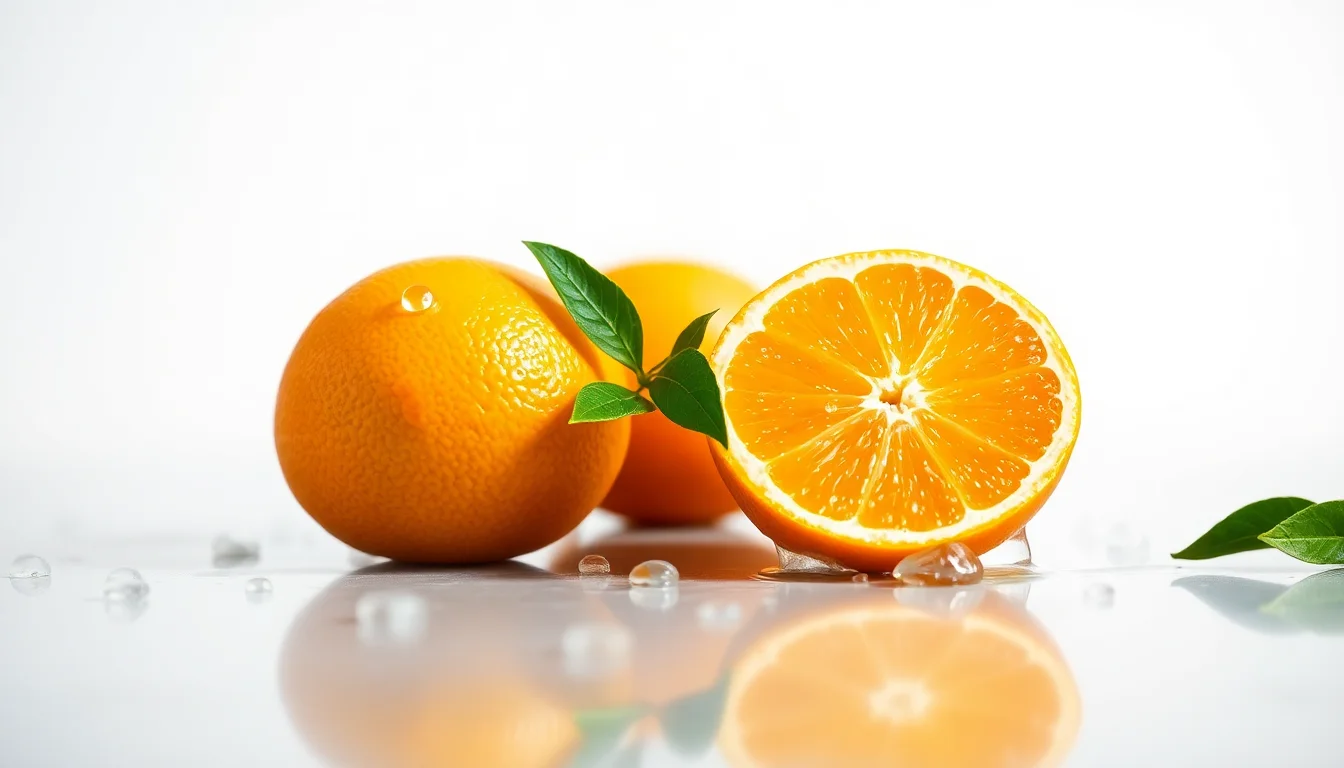
Bergamot oil, furocoumarin-free, is a citrus essential oil derived from the rind of bergamot oranges. It’s commonly found in perfumes, colognes, and aromatherapy products. This version is specially processed to remove furocoumarins, which can cause photosensitivity, making it safer for skincare and sun-exposed applications.
Safety Profile
GENERALLY SAFEWhat Does Bergamot oil, furocoumarin free Smell Like?
Bergamot oil, furocoumarin-free, opens with a bright, zesty citrus burst reminiscent of fresh-peeled oranges with a hint of lemon. The heart reveals a delicate floral undertone, like orange blossoms kissed by sunlight. The dry-down is smooth and slightly sweet, with a whisper of herbal freshness that lingers softly on the skin.
In Famous Fragrances
Fragrance associations may not reflect actual formulations.
Bergamot oil provides the vibrant citrus top note that defines this classic cologne, blending with rosemary and basil for a fresh, masculine opening.
Bergamot oil is the star of this iconic Italian cologne, offering a sparkling citrus opening that pairs with lavender and rosemary.
Bergamot oil adds a bright citrus lift to the floral-aldehyde bouquet, enhancing its freshness and complexity.
Chemistry, Properties & Perfumer Guide
The Chemistry
Bergamot oil, furocoumarin-free, is primarily composed of limonene, linalyl acetate, and linalool. The removal of furocoumarins like bergapten involves molecular distillation or selective extraction, ensuring phototoxicity is eliminated while preserving the oil’s aromatic profile. This makes it suitable for broader applications in cosmetics and fragrances.
Physical & Chemical Properties
| Boiling Point | 175-180 °C |
|---|---|
| Density | 0.876-0.881 g/cm³ |
| Refractive Index | 1.464-1.468 |
Perfumer Guide
| Application | Typical % | Range | Notes |
|---|---|---|---|
| Fine Fragrance | 5-10% | Up to 20% | Bright citrus top note |
| Aromatherapy | 1-2% | Up to 5% | Calming and uplifting |
| Skincare | 0.5-1% | Up to 2% | Avoid photosensitivity |
Classic Accords
Tip: Use in citrus and floral accords to add brightness and lift.
Alternatives & Comparisons
Safety, Regulatory & Sustainability
⚠ Regulatory Disclaimer
General reference only. Consult current IFRA Standards Library before formulating.
IFRA Status
No IFRA restrictions for furocoumarin-free bergamot oil.
EU Allergen Declaration
Contains limonene and linalool, which require allergen labeling in the EU.
RIFM Assessment
RIFM has assessed furocoumarin-free bergamot oil as safe for use in fragrances.
Sustainability
Bergamot oil is sustainably sourced from orchards in Calabria, Italy. The furocoumarin-free process reduces waste by utilizing the entire fruit, and the oil is often certified organic.
Explore Bergamot oil, furocoumarin free
Browse essential oils and aroma compounds.
Browse on iHerb →Affiliate disclosure: we may earn a small commission at no extra cost to you.
References
Data: PubChem (NIH), PubMed, RIFM, IFRA. Last reviewed: Apr 2026.
Report a data errorIngredient Data Sheet
CAS 68648-33-9Physical data: PubChem (NIH/NLM), U.S. EPA CompTox Dashboard, EPA OPERA models, RDKit. Odor & flavor: Arctander (Perfume & Flavor Chemicals), Fenaroli's Handbook of Flavor Ingredients, Leffingwell. Thresholds: van Gemert (Compilations of Odour Threshold Values). Regulatory: IFRA Standards 51st, FEMA GRAS. Trade names: Surburg (Common Fragrance & Flavor Materials). All data compiled and cross-referenced for perfumertools.com.
Related Research
- Callitropsis nootkatensis oil (CAS 1069136-34-0) — Woody Middle to base Note Fragrance Ingredient
- Pyrazine, 2-methyl-3-(methylthio)- (CAS 2882-20-4) — Spicy Heart to base Note Fragrance Ingredient
- Citrus terpenes (CAS 68608-34-4) — Citrus Top Note Fragrance Ingredient
- 3-Cyclopentene-1-butanal, alpha,2,2,3-tetramethyl-.gamma.-methylene (CAS 166432-53-7) — Woody Base Note Fragrance Ingredient