
Methylheptenol (CAS 1335-09-07) — Citrus Top Note Fragrance Ingredient
Methylheptenol
CAS 1335-09-07
What Is Methylheptenol?
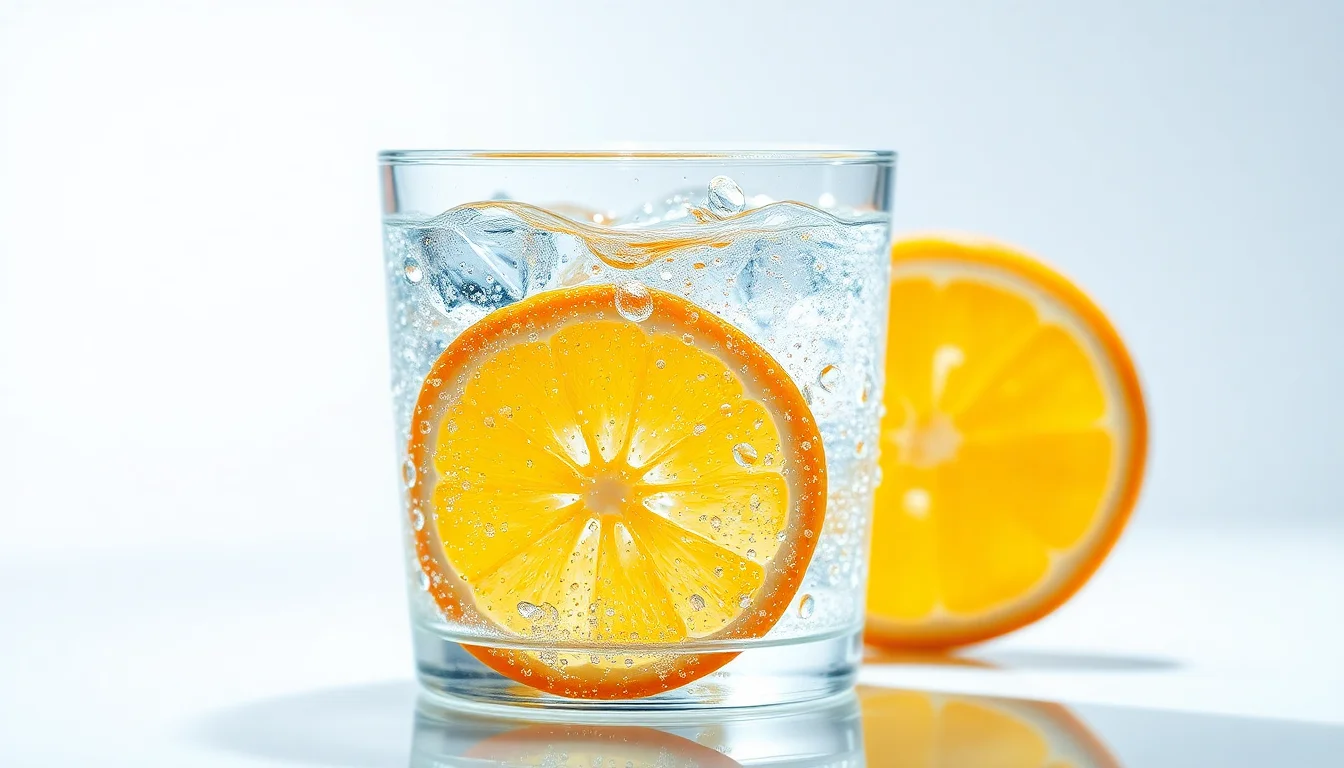
Methylheptenol is a synthetic fragrance ingredient that adds a fresh, citrusy-green character to perfumes and scented products. You’ll encounter it in citrus colognes, floral bouquets, and household cleaners. This molecule matters because it bridges citrus and floral notes, creating sparkling top notes that transition smoothly into heart accords.
Safety Profile
GENERALLY SAFEWhat Does Methylheptenol Smell Like?
Methylheptenol bursts with a crisp, lemony-green freshness reminiscent of crushed lime leaves and unripe mango peel. The initial sharpness mellows into a delicate floralcy, like the green stem of a just-picked rose. As it dries down, it leaves a clean, slightly woody trail that blends seamlessly with other citrus materials. The overall effect is energizing yet refined – imagine sunlight filtering through citrus groves in early morning.
In Famous Fragrances
Fragrance associations may not reflect actual formulations.
Used here to amplify the citrus-herbal opening, creating the iconic sparkling freshness that defines this classic masculine cologne.
Provides the crisp green apple facet that complements the citrus top notes in this popular summer fragrance.
Chemistry, Properties & Perfumer Guide
The Chemistry
Methylheptenol is an unsaturated alcohol belonging to the terpenoid class. While not found in significant quantities in nature, it shares structural similarities with naturally occurring terpenes like linalool. Industrially produced via selective hydrogenation of methylheptenone or through Grignard reactions. The double bond in its structure contributes to its fresh, green character while the hydroxyl group provides moderate polarity.
Physical & Chemical Properties
| Boiling Point | Not available |
|---|---|
| Density | Not available |
Perfumer Guide
| Application | Typical % | Range | Notes |
|---|---|---|---|
| Fine Fragrance | 1-3% | Up to 5% | Citrus top note booster |
| Functional Fragrances | 0.5-2% | Up to 3% | Freshness enhancer |
Classic Accords
Tip: Combine with citral and citronellol to enhance citrus freshness while adding floral depth.
Alternatives & Comparisons
For stronger lemon character but less floral nuance.
When more floral character with less greenness is desired.
Safety, Regulatory & Sustainability
⚠ Regulatory Disclaimer
General reference only. Consult current IFRA Standards Library before formulating.
IFRA Status
No IFRA restrictions apply to methylheptenol under current guidelines (Amendment 49).
RIFM Assessment
Evaluated by RIFM with no significant safety concerns at typical usage levels.
Sustainability
As a synthetic material, methylheptenol offers consistent quality without natural sourcing pressures. Production typically uses petrochemical feedstocks, though bio-based routes are being explored. Its efficient odor impact allows for lower usage rates compared to some natural alternatives.
Explore Methylheptenol
Browse essential oils and aroma compounds.
Browse on iHerb →Affiliate disclosure: we may earn a small commission at no extra cost to you.
References
- Bauer et al. (2001). Common Fragrance and Flavor Materials.
Data: PubChem (NIH), PubMed, RIFM, IFRA. Last reviewed: Apr 2026.
Report a data error


![Bicyclo[2.2.1]hept-5-en-2-ol, acetate (CAS 6143-29-9) — Woody Top to middle Note Fragrance Ingredient](https://thegoodscents.company/wp-content/uploads/2026/04/bicyclo-2-2-1-hept-5-en-2-ol-acetate-1-768x439.webp)