
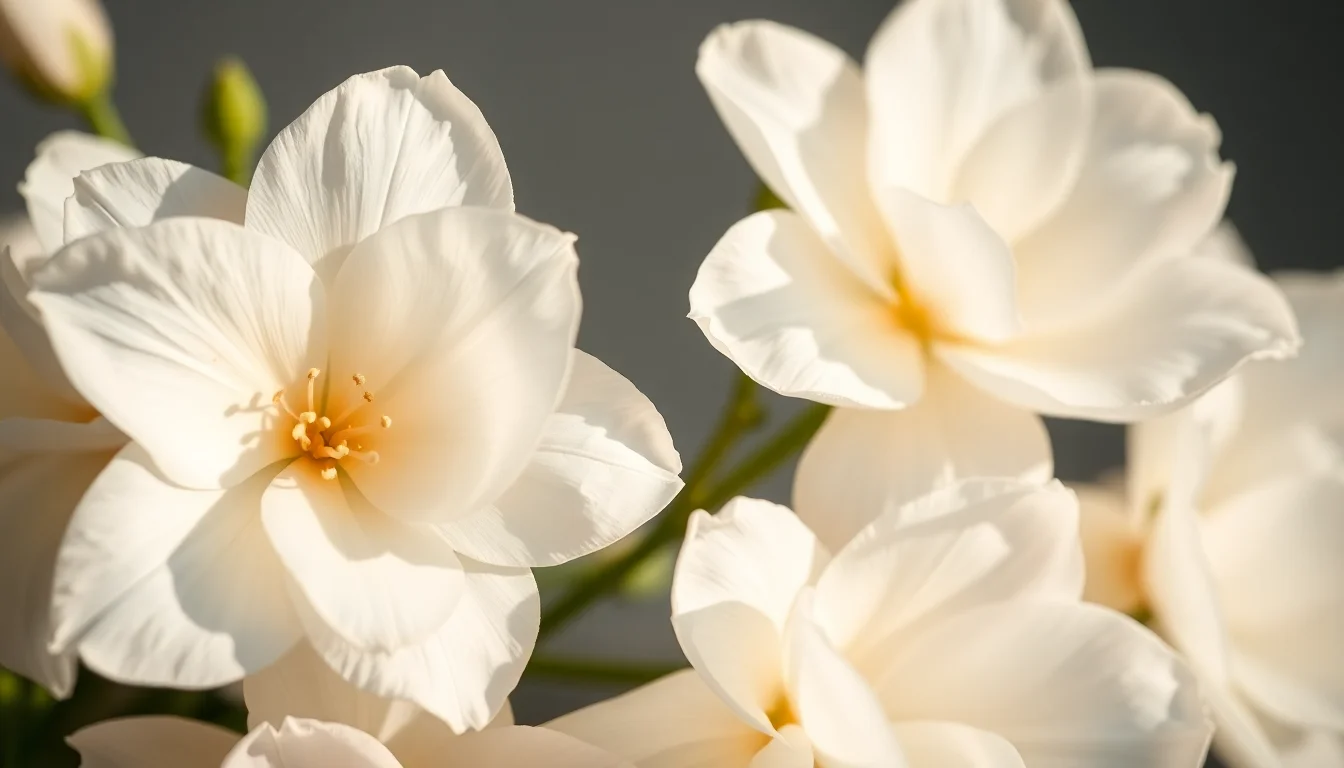
Methylionone (CAS 1335-94-0) — Floral Heart Note Fragrance Ingredient
Methylionone
CAS 1335-94-0
What Is Methylionone?
Methylionone is a synthetic fragrance ingredient that creates a soft, powdery violet-like scent. You’ll find it in perfumes, soaps, and fabric softeners where it adds a floral-woody character. This versatile molecule helps perfumers recreate the scent of violets without using natural extracts, making fragrances more affordable and consistent year-round.
Safety Profile
GENERALLY SAFEWhat Does Methylionone Smell Like?
Methylionone unfolds like a vintage violet handkerchief – powdery floral at first, with a subtle raspberry-like fruitiness hiding beneath. The initial burst softens into a creamy, woody base that lingers close to the skin. Unlike sharper ionones, methylionone has a rounded character that blends seamlessly with sandalwood and musk, creating a velvety dry-down reminiscent of antique face powder.
In Famous Fragrances
Fragrance associations may not reflect actual formulations.
Methylionone creates the melancholic violet-iris heart of this classic, blending with heliotropin for a rain-soaked floral effect that feels both nostalgic and transparent.
Used in overdose here to create a modern violet explosion, methylionone’s powdery facets are amplified by ethyl maltol for a candied, contemporary interpretation.
Chemistry, Properties & Perfumer Guide
The Chemistry
Methylionone belongs to the ionone family of cyclic terpenoids, specifically a methyl-substituted derivative of α-ionone. While ionones occur naturally in violets and orris root, methylionone is exclusively synthetic. It’s typically produced through acid-catalyzed cyclization of pseudoionone derivatives. The methyl group at position 3 creates a more stable molecule with enhanced diffusion compared to unsubstituted ionones.
Physical & Chemical Properties
| Appearance | Colorless to pale yellow liquid |
|---|---|
| Boiling Point | Approx. 250°C |
| Density | ~0.93 g/cm³ |
Perfumer Guide
| Application | Typical % | Range | Notes |
|---|---|---|---|
| Fine Fragrance | 2-5% | Up to 10% | Heart note floralizer |
| Soap | 0.5-1.5% | Up to 3% | Stable in alkaline conditions |
Classic Accords
Tip: Combine with ionone gamma for enhanced diffusion and a more natural violet effect.
Alternatives & Comparisons
More natural violet character but less stable. Use when authenticity outweighs cost considerations.
Safety, Regulatory & Sustainability
⚠ Regulatory Disclaimer
General reference only. Consult current IFRA Standards Library before formulating.
IFRA Status
No restrictions under IFRA standards.
RIFM Assessment
Evaluated as safe for current use levels in fragrances (RIFM, 2015).
Sustainability
As a synthetic, methylionone avoids the sustainability issues of natural violet absolute production (which requires massive flower quantities). Modern synthesis routes have reduced solvent waste compared to traditional methods.
Explore Methylionone
Browse essential oils and aroma compounds.
Browse on iHerb →Affiliate disclosure: we may earn a small commission at no extra cost to you.
References
- Bauer et al. (2001). Common Fragrance and Flavor Materials. Wiley-VCH.
Data: PubChem (NIH), PubMed, RIFM, IFRA. Last reviewed: Apr 2026.
Report a data errorIngredient Data Sheet
CAS 1335-94-0Regulatory Status
| IFRA Listed | Yes — see IFRA Standards for category limits⚖️ IFRA 51 |
Physical data: PubChem (NIH/NLM), U.S. EPA CompTox Dashboard, EPA OPERA models, RDKit. Odor & flavor: Arctander (Perfume & Flavor Chemicals), Fenaroli's Handbook of Flavor Ingredients, Leffingwell. Thresholds: van Gemert (Compilations of Odour Threshold Values). Regulatory: IFRA Standards 51st, FEMA GRAS. Trade names: Surburg (Common Fragrance & Flavor Materials). All data compiled and cross-referenced for perfumertools.com.



![4-Methyl-8-methylenetricyclo[3.3.1.(3,7)]decan-2-yl acetate (CAS 122760-85-4) — Woody Base Note Fragrance Ingredient](https://thegoodscents.company/wp-content/uploads/2026/04/4-methyl-8-methylenetricyclo-3-3-1-1-1-768x439.webp)