Mimosa Absolute (CAS 68916-83-6) — Floral Heart Note Fragrance Ingredient
Mimosa Absolute
CAS 68916-83-6
What Is Mimosa Absolute?
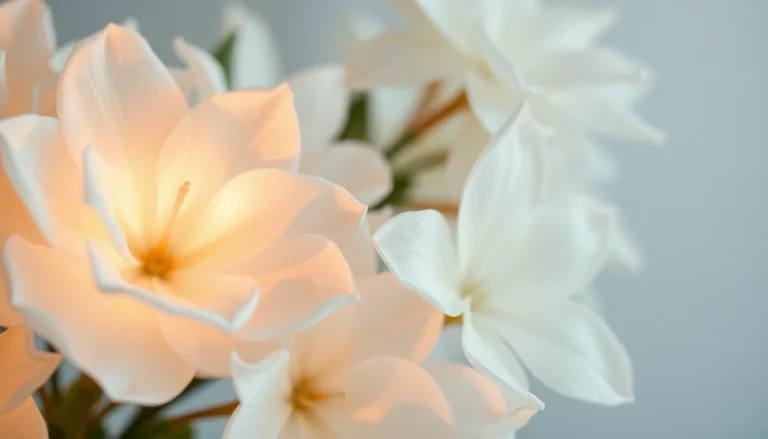
Mimosa absolute is a luxurious floral extract derived from the golden blossoms of Acacia dealbata trees, primarily found in Mediterranean regions. It’s cherished in high-end perfumery for its honeyed, powdery floralcy. This ingredient matters because it adds a delicate yet persistent warmth to fragrances, evoking springtime meadows with its unique balance of floral and woody facets.
Safety Profile
GENERALLY SAFEWhat Does Mimosa Absolute Smell Like?
Mimosa absolute unfolds like a sun-drenched spring morning – initial bursts of honeyed pollen give way to a heart of powdery violet-like florals with subtle green nuances. The dry-down reveals woody-ambery undertones that linger close to skin. Unlike most florals, it carries a delicate fuzziness reminiscent of peach skin, with a sweet hay-like warmth that prevents it from becoming cloying. The overall effect is softly radiant rather than loud, making it perfect for intimate compositions.
Scent Profile
In Famous Fragrances
Fragrance associations may not reflect actual formulations.
Used here to soften the green galbanum heart with its powdery floralcy, creating the fragrance’s signature ‘floral chypre’ tension between crisp and creamy.
Showcases mimosa’s honeyed facets alongside tonka bean, creating a golden, sun-warmed effect that defined the gourmand floral genre.
Highlights mimosa’s spicy potential when paired with cardamom, emphasizing its inherent warmth rather than powdery aspects.
Uses mimosa absolute as the star player, demonstrating its complexity when supported by carnation and sandalwood.
Employs mimosa to bridge carnation’s spice and rose’s sweetness, creating the iconic powdery floral bouquet.
Chemistry, Properties & Perfumer Guide
The Chemistry
Mimosa absolute contains a complex mixture of fatty acids, esters, and aromatic compounds including benzyl alcohol, anisaldehyde, and farnesol. The characteristic scent profile arises from trace nitrogenous compounds and phenylpropanoids. Extraction typically involves solvent (hexane) processing of the concrete followed by alcohol washing to produce the absolute. Unlike many florals, mimosa’s scent molecules are relatively stable, allowing its delicate character to persist in formulations.
Physical & Chemical Properties
| Appearance | Viscous yellow-orange liquid |
|---|---|
| Solubility | Soluble in alcohol, insoluble in water |
Perfumer Guide
| Application | Typical % | Range | Notes |
|---|---|---|---|
| Fine Fragrance | 0.5-2% | Up to 5% | Used as floral modifier |
| Soap | 0.1-0.5% | Up to 1% | Limited by cost |
| Candles | 0.2-1% | Up to 2% | Blends well with vanillic notes |
| Luxury Cosmetics | 0.05-0.3% | Up to 0.5% | Skin-safe at low levels |
Classic Accords
Tip: Use mimosa absolute to add natural diffusion to rose-violet accords without introducing synthetic powdery notes.
Alternatives & Comparisons
More animalic and intense, suitable when a heavier floral character is desired.
Captures some honeyed aspects synthetically, lacks the full complexity.
For powdery floral effects when cost is a concern.
Safety, Regulatory & Sustainability
⚠ Regulatory Disclaimer
General reference only. IFRA, REACH, EU Cosmetics Regulation standards update periodically. Consult current IFRA Standards Library before formulating. Not legal or regulatory advice.
IFRA Status
No IFRA restrictions. Classified as non-phototoxic.
EU Allergen Declaration
Contains trace benzyl alcohol (CAS 100-51-6) requiring declaration above 0.001% in leave-on products.
RIFM Assessment
RIFM assessment confirms safe use at current industry levels with margin of safety.
Sustainability
Mimosa absolute is harvested sustainably in France and Morocco, with flowers hand-picked to preserve trees. The solvent extraction process has been optimized to minimize waste. While natural, its high yield-per-flower makes it more sustainable than some floral absolutes. Synthetic alternatives exist but lack the full spectrum of natural mimosa’s olfactory profile.
Explore Mimosa Absolute
Browse essential oils and aroma compounds.
Browse on iHerb →Affiliate disclosure: we may earn a small commission at no extra cost to you.
References
- Arctander, S. (1960). Perfume and Flavor Materials of Natural Origin.
- Bauer, K. et al. (2001). Common Fragrance and Flavor Materials.
- IFRA Standards Library (2023). Amendment 49. Link
Data: PubChem (NIH), PubMed, RIFM, IFRA. Last reviewed: Mar 2026.
Report a data errorIngredient Data Sheet
CAS 68916-83-6Physical data: PubChem (NIH/NLM), U.S. EPA CompTox Dashboard, EPA OPERA models, RDKit. Odor & flavor: Arctander (Perfume & Flavor Chemicals), Fenaroli's Handbook of Flavor Ingredients, Leffingwell. Thresholds: van Gemert (Compilations of Odour Threshold Values). Regulatory: IFRA Standards 51st, FEMA GRAS. Trade names: Surburg (Common Fragrance & Flavor Materials). All data compiled and cross-referenced for perfumertools.com.
Related Research
- Vetiver oil, acetylated, distilled (CAS 68917-34-0) — Woody Base to middle Note Fragrance Ingredient
- Hydroxycitronellal-Indole (Schiff base) (CAS 68527-79-7) — Floral Heart Note Fragrance Ingredient
- Benzyl methyl ether (CAS 538-86-3) — Floral Top Note Fragrance Ingredient
- 2-Heptylcyclopentanone (CAS 0137-03-01) — Woody Base Note Fragrance Ingredient

![9,10-Anthracenedione, 1-hydroxy-4-[(4-methylphenyl)amino]- (CAS 81-48-1) — Citrus N/A Note Fragrance Ingredient](https://thegoodscents.company/wp-content/uploads/2026/04/9-10-anthracenedione-1-hydroxy-4-1-1-768x439.webp)