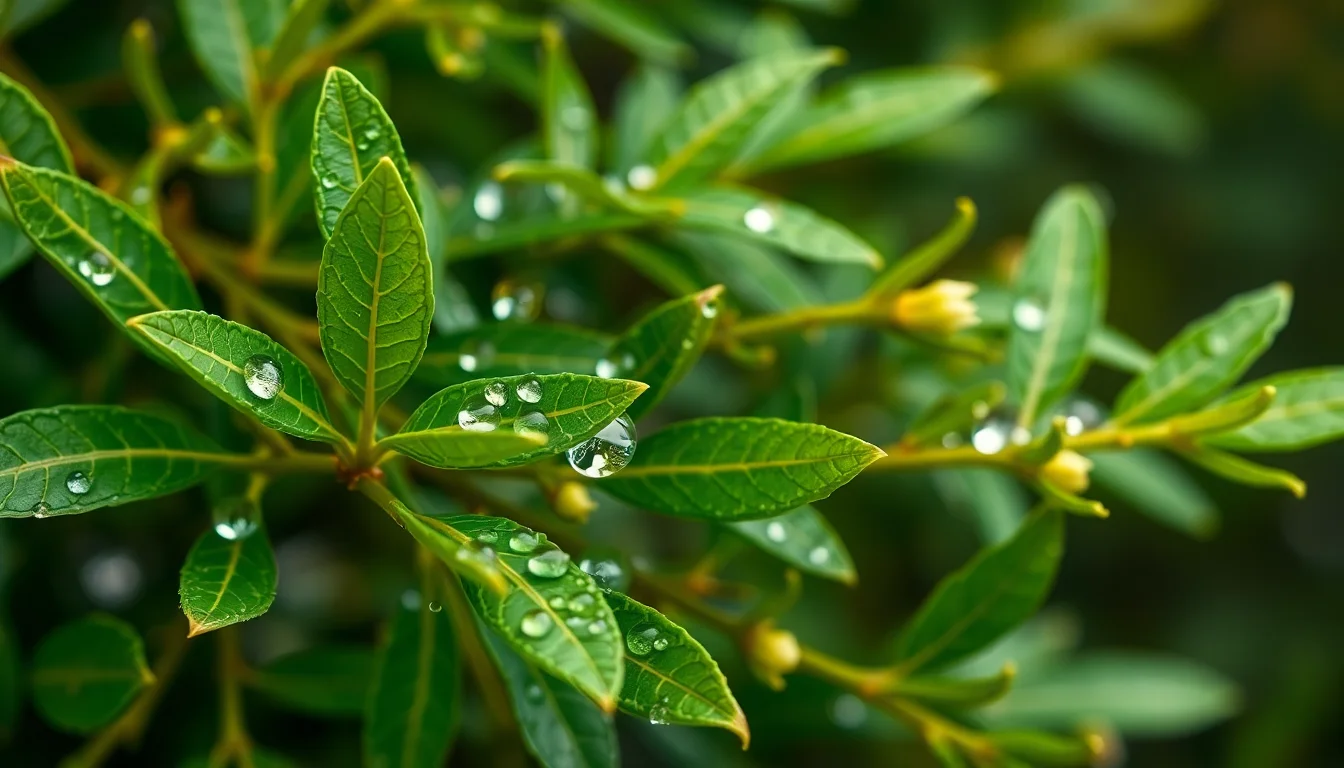
Myrtle oil (CAS 8008-46-6) — Green Top to middle Note Fragrance Ingredient
Myrtle oil
CAS 8008-46-6
What Is Myrtle oil?
Myrtle oil is a fragrant essential oil steam-distilled from the leaves and flowers of the Myrtus communis shrub, native to the Mediterranean. You’ll encounter its fresh, camphoraceous scent in traditional Mediterranean soaps, aftershaves, and herbal remedies. This oil matters because it bridges herbal and floral worlds – historically used for purification rituals, it now lends complexity to modern fragrances by adding a crisp, green lift to lavender and citrus compositions.
Safety Profile
GENERALLY SAFEWhat Does Myrtle oil Smell Like?
Myrtle oil bursts with an invigorating green-medicinal attack, like crushing eucalyptus leaves against lemon peel. The opening is all brisk camphor and pinene sharpness, quickly softening into a herbaceous heart where rosemary-like facets dance with subtle floral undertones. As it dries, a delicate myrrh-like sweetness emerges, resting on a woody-amber base that whispers of sun-warmed Mediterranean hillsides. The overall effect is cleaner and more refined than eucalyptus, with none of the mentholated harshness – think of it as eucalyptus’ sophisticated cousin who studied aromatherapy.
In Famous Fragrances
Fragrance associations may not reflect actual formulations.
Myrtle’s crisp greenness amplifies the citrus opening while its subtle floralcy bridges to the herbaceous heart. Used here as a structural element that prevents the bergamot from smelling too candied.
The oil’s camphoraceous facets create an ‘air’ effect when paired with white musks, giving the illusion of freshly laundered linen blowing through a Mediterranean garden.
Myrtle’s green sharpness cuts through vetiver’s earthiness, creating a sparkling contrast that reads as both clean and botanical in this modern masculine.
Chemistry, Properties & Perfumer Guide
The Chemistry
Myrtle oil’s complexity comes from its high variability in monoterpenes – typically containing 30-50% α-pinene, 15-30% 1,8-cineole, and 10-20% myrtenyl acetate. The exact composition depends on chemotype (cineole-rich vs myrtenyl-rich) and geographic origin. Mediterranean varieties tend to be higher in limonene and linalool, while North African oils showcase more camphor. Steam distillation preserves the delicate ester profile that distinguishes it from harsher eucalyptus oils. Gas chromatography reveals trace lactones that contribute to its unique sweet-herbal drydown.
Physical & Chemical Properties
| Appearance | Pale yellow to greenish liquid |
|---|---|
| Boiling Point | 154-175 °C (main components) |
| Density | 0.89-0.92 g/cm³ |
| Refractive Index | 1.460-1.475 |
| Flash Point | 47 °C |
Key Constituent Properties
| Constituent | CAS | MW | BP °C | XLogP | Vapor P. |
|---|---|---|---|---|---|
| α-Pinene | 80-56-8 | 136.23 | 155 | 3.1 | 3.5 mmHg |
| 1,8-Cineole | 470-82-6 | 154.25 | 176 | 2.7 | 1.5 mmHg |
Perfumer Guide
| Application | Typical % | Range | Notes |
|---|---|---|---|
| Fine Fragrance | 0.5-2% | Up to 5% | Adds crispness to fougères and colognes |
| Personal Care | 0.1-0.5% | Up to 1% | Used in aftershaves for cooling sensation |
| Aromatherapy | 1-3% | Up to 10% | Valued for respiratory benefits |
Classic Accords
Tip: Use myrtle oil to ‘lift’ heavy woody bases – its cineole content creates diffusion without adding sweetness.
Alternatives & Comparisons
When you need stronger camphoraceous punch but can sacrifice the floral nuances. Higher in 1,8-cineole (70-85%).
For similar herbal character with more pronounced woody-amber drydown. Better for skin care applications.
Safety, Regulatory & Sustainability
⚠ Regulatory Disclaimer
General reference only. Consult current IFRA Standards Library before formulating.
IFRA Status
No specific restrictions under IFRA 49. Contains naturally occurring allergens (limonene, linalool) below declaration thresholds at typical usage levels.
EU Allergen Declaration
Contains limonene (≥15%) and linalool (≥10%) – must be declared if present above 0.01% in leave-on products.
GHS Classification
RIFM Assessment
RIFM safety assessment confirms safe use at current industry levels. No significant phototoxicity or sensitization concerns.
Sustainability
Wild-harvested in Mediterranean maquis shrublands where it supports traditional economies. Some commercial plantations exist in Tunisia and Morocco. Steam distillation requires significant water use but leaves are renewable. Prefer FairWild certified sources to ensure ethical harvesting practices that protect native ecosystems.
Explore Myrtle oil
Browse essential oils and aroma compounds.
Browse on iHerb →Affiliate disclosure: we may earn a small commission at no extra cost to you.
References
- Boelens, M.H. (1995). Chemical and Sensory Evaluation of Myrtus communis L. Essential Oils. Perfumer & Flavorist. P&F Vol.20
- Tumen, I. et al. (2010). Composition of Essential Oils from Leaves of Myrtus communis. Journal of Essential Oil Research. DOI:10.1080
Data: PubChem (NIH), PubMed, RIFM, IFRA. Last reviewed: Apr 2026.
Report a data errorIngredient Data Sheet
CAS 8008-46-6Physical data: PubChem (NIH/NLM), U.S. EPA CompTox Dashboard, EPA OPERA models, RDKit. Odor & flavor: Arctander (Perfume & Flavor Chemicals), Fenaroli's Handbook of Flavor Ingredients, Leffingwell. Thresholds: van Gemert (Compilations of Odour Threshold Values). Regulatory: IFRA Standards 51st, FEMA GRAS. Trade names: Surburg (Common Fragrance & Flavor Materials). All data compiled and cross-referenced for perfumertools.com.
Related Research
- Acetic acid, anhydride, reaction products with 2-methylbutene dimer, hydrogenated (CAS 862107-86-6) — Woody Base Note Fragrance Ingredient
- 6-Octen-1-ol, 3,7-dimethyl-,(+/-)- (CAS 26489-01-0) — Green Top Note Fragrance Ingredient
- Bergamot oil (post treated) (CAS 68917-80-6) — Citrus Top Note Fragrance Ingredient
- Geranium oil, terpeneless (CAS 68916-44-9) — Floral Heart Note Fragrance Ingredient