Olive oil, fixed (CAS 8001-25-0) — Balsamic Base Note Fragrance Ingredient
Olive oil, fixed
CAS 8001-25-0
What Is Olive oil, fixed?
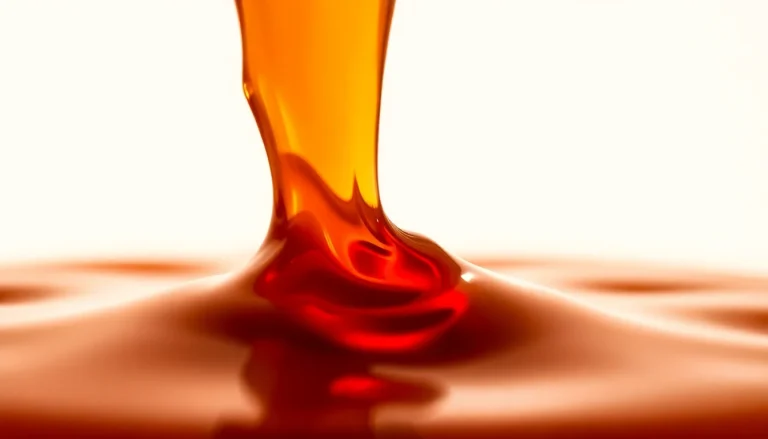
Olive oil is a familiar kitchen staple, pressed from the fruit of olive trees. While primarily used in cooking, its rich, slightly green aroma also appears in soaps, lotions, and Mediterranean-inspired fragrances. This natural oil brings a soft, fatty warmth to fragrances, evoking sun-drenched groves and traditional apothecary preparations. Its subtle fruitiness and skin-friendly properties make it valuable in both perfumery and skincare formulations.
Safety Profile
GENERALLY SAFEWhat Does Olive oil, fixed Smell Like?
Olive oil offers a complex aromatic profile – initially crisp and slightly green like crushed olive leaves, unfolding into a fruity heart reminiscent of fresh olives with a faintly nutty, almond-like nuance. The dry-down reveals a warm, fatty richness akin to high-quality butter or sweet almond oil, with a subtle woody undertone. Unlike refined cooking oils, artisanal cold-pressed versions retain a distinctive verdant character that adds Mediterranean authenticity to fragrances.
In Famous Fragrances
Fragrance associations may not reflect actual formulations.
Features olive leaf and oil to capture the essence of an Italian summer, where the green bitterness of leaves meets the oil’s smooth richness.
Uses olive oil’s fatty warmth to soften the sharp greenness of olive leaves, creating a Mediterranean grove illusion.
Chemistry, Properties & Perfumer Guide
The Chemistry
Olive oil is a complex mixture of triglycerides (98-99%) with minor components including phenolics, sterols, and tocopherols. The fatty acid profile is dominated by oleic acid (55-83%), with linoleic, palmitic, and stearic acids. The characteristic aroma comes from volatile compounds like hexanal and (E)-2-hexenal formed during crushing. Cold pressing preserves more aromatic compounds compared to refined oils. The exact composition varies by cultivar, terroir, and extraction method.
Physical & Chemical Properties
| Appearance | Pale yellow to greenish liquid |
|---|---|
| Flash Point | 225 °C |
| Density | 0.915 g/cm³ |
Perfumer Guide
| Application | Typical % | Range | Notes |
|---|---|---|---|
| Fine Fragrance | 1-3% | Up to 5% | Adds skin compatibility and subtle richness |
| Soaps/Cleansers | 5-15% | Up to 100% | Both functional and fragrant |
Classic Accords
Tip: Use extra virgin olive oil for maximum aromatic character in natural perfumery.
Alternatives & Comparisons
Offers similar emollient properties with a milder, nuttier scent profile when olive’s green notes are undesirable.
Safety, Regulatory & Sustainability
⚠ Regulatory Disclaimer
General reference only. Consult current IFRA Standards Library before formulating.
IFRA Status
No IFRA restrictions. Considered safe for all applications.
RIFM Assessment
RIFM considers food-grade olive oil safe for topical use in cosmetics.
Sustainability
Olive oil production is generally sustainable when using traditional methods, though water-intensive in arid regions. Cold-pressed extraction maximizes both quality and environmental efficiency. Bulk purchasing from small-scale producers supports traditional agriculture. Unlike many cosmetic oils, olive is rarely adulterated with petrochemical derivatives.
Explore Olive oil, fixed
Browse essential oils and aroma compounds.
Browse on iHerb →Affiliate disclosure: we may earn a small commission at no extra cost to you.
References
- Boskou D. (2015). Olive Oil. In: Mediterranean Diets. Reference Series in Phytochemistry. DOI 10.1007/978-3-319-16298-0_25
Data: PubChem (NIH), PubMed, RIFM, IFRA. Last reviewed: Apr 2026.
Report a data error