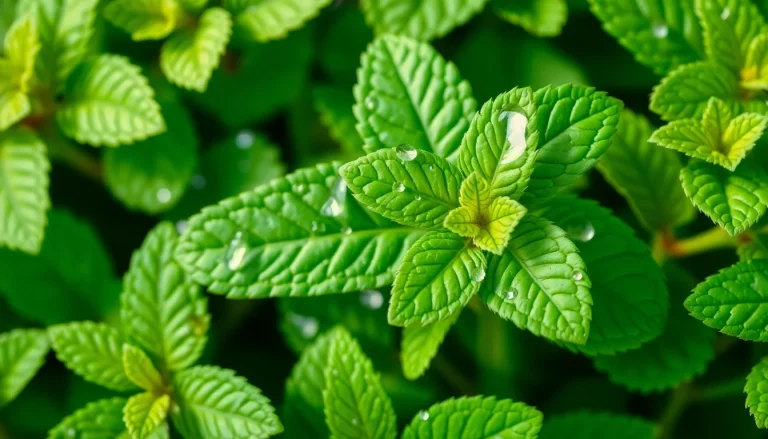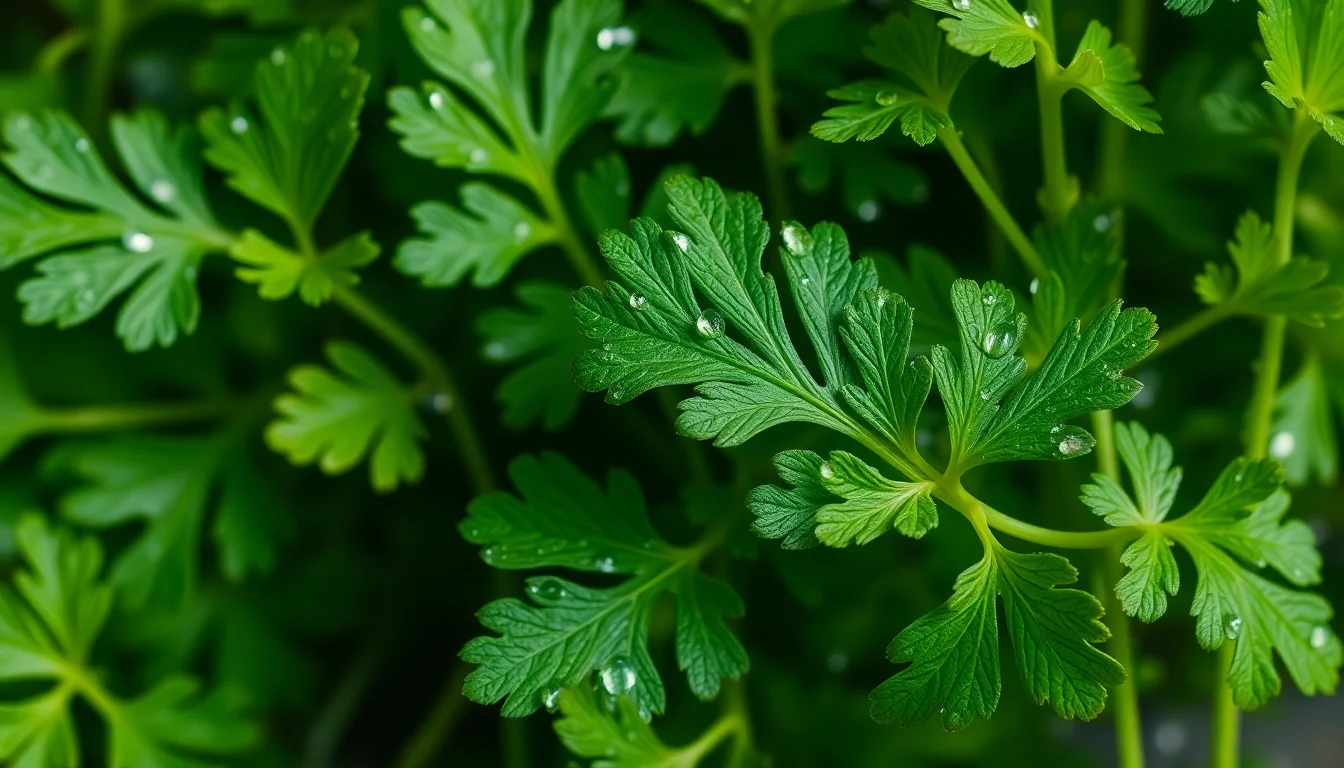
Parsley leaf oil (CAS 8000-68-8) — Green Top to middle Note Fragrance Ingredient
Parsley leaf oil
CAS 8000-68-8
What Is Parsley leaf oil?
Parsley leaf oil is an essential oil steam-distilled from fresh parsley leaves, the same herb commonly used in cooking. You’ll encounter its green, slightly peppery aroma in herbal fragrances and some savory-flavored products. This oil matters in perfumery for its crisp, vegetal character that can add naturalistic greenness to fragrances without being overly sweet or harsh like some other herbal oils.
Safety Profile
USE WITH AWARENESSWhat Does Parsley leaf oil Smell Like?
Parsley leaf oil bursts with an intensely green, almost chlorophyll-like freshness reminiscent of freshly crushed garden herbs. The initial impression is sharp and slightly peppery, like biting into raw parsley stems. As it evolves, a subtle earthy undertone emerges, akin to the smell of damp soil after rain. The dry-down reveals a faintly sweet, hay-like quality that lingers close to the skin. Unlike sweeter herbal oils like basil, parsley maintains a dry, crisp character throughout its evaporation.
In Famous Fragrances
Fragrance associations may not reflect actual formulations.
Used for its hyper-realistic garden-fresh greenness, creating the illusion of crushed parsley leaves among tomato vines in this groundbreaking vegetal floral by Jean-Claude Ellena.
Parsley’s crispness blends with ginger and cardamom to evoke the scent of fresh vegetation after tropical rains, contributing an edible green nuance.
Chemistry, Properties & Perfumer Guide
The Chemistry
Parsley leaf oil is chemically complex, containing about 60 identified components. The dominant constituents are monoterpenes like α-pinene, β-pinene, and myrcene, along with oxygenated compounds including 1,3,8-p-menthatriene which contributes the characteristic parsley odor. Unlike parsley seed oil which contains apiol as a major component, the leaf oil has a distinctly different composition. The oil is obtained through steam distillation of fresh leaves, with yields around 0.1-0.3%, making it relatively expensive compared to other herbal essential oils.
Physical & Chemical Properties
| Appearance | Pale yellow to greenish liquid |
|---|---|
| Flash Point | ~62 °C |
| Specific Gravity | 0.900 – 0.940 |
| Refractive Index | 1.503 – 1.530 |
Key Constituent Properties
| Constituent | CAS | MW | BP °C | XLogP | Vapor P. |
|---|---|---|---|---|---|
| α-Pinene | 80-56-8 | 136.23 | 155 °C | 2.8 | 4.22 mmHg |
| β-Pinene | 127-91-3 | 136.23 | 166 °C | 2.8 | 2.51 mmHg |
Perfumer Guide
| Application | Typical % | Range | Notes |
|---|---|---|---|
| Fine Fragrance | 0.1-0.5% | Up to 1% | Used for fresh green accent notes |
| Functional Products | 0.01-0.1% | Up to 0.2% | Limited by cost and strong odor impact |
Classic Accords
Tip: Use in trace amounts to avoid dominating a composition – its greenness can be overpowering if not carefully balanced.
Alternatives & Comparisons
Offers similar green freshness but with slightly citrusy undertones, less peppery than parsley.
Provides the key parsley character without the full complexity of the natural oil, useful for cost control.
Safety, Regulatory & Sustainability
⚠ Regulatory Disclaimer
General reference only. Consult current IFRA Standards Library before formulating.
IFRA Status
Not currently restricted by IFRA, though some constituents may be limited under other categories.
EU Allergen Declaration
Contains limonene and linalool which require declaration above 0.01% in leave-on products.
GHS Classification
RIFM Assessment
RIFM assessment available, considers parsley leaf oil safe at current use levels.
Sustainability
Parsley is widely cultivated as a food crop, making the essential oil a byproduct of agricultural production. However, the low oil yield means large quantities of plant material are needed. Organic cultivation is increasingly common. Synthetic alternatives exist but lack the full natural complexity. Sustainable sourcing focuses on utilizing waste from culinary herb production rather than dedicated crops for perfumery.
Explore Parsley leaf oil
Browse essential oils and aroma compounds.
Browse on iHerb →Affiliate disclosure: we may earn a small commission at no extra cost to you.
References
- Lis-Balchin, M. (2006). Aromatherapy Science: A Guide for Healthcare Professionals. Pharmaceutical Press. ISBN 0853695784
- Tisserand, R., Young, R. (2014). Essential Oil Safety (2nd ed.). Churchill Livingstone. ISBN 9780443062414
Data: PubChem (NIH), PubMed, RIFM, IFRA. Last reviewed: Apr 2026.
Report a data errorIngredient Data Sheet
CAS 8000-68-8Odor & Flavor
| Parsley Seed Essential Oil: Parsley seed essential oil is obtained by steam distillation of the ripe seeds in approximately 1.5 to 3.5% yields. The oil has a warm, spicy odor with a bitter, warm, aromatic taste. Parsley Leaf Oil: Parsley leaf oil is obtained by steam distillation of leaves and flowering tops in very low yields (0.06%). This oil exhibits a much harsher, herbaceous note than the seed oil. Parsley Herb Essential Oil: Parsley herb essential oil is obtained by distilling the whole plant, excluding the root. It is a pale-yellow-to-greenish-yellow liquid with a pronounced herbaceous odor and a warm, bitter, slightly burning taste.📖 Fenaroli |
Regulatory Status
| IOFI Classification | Natural📖 Fenaroli |
Physical data: PubChem (NIH/NLM), U.S. EPA CompTox Dashboard, EPA OPERA models, RDKit. Odor & flavor: Arctander (Perfume & Flavor Chemicals), Fenaroli's Handbook of Flavor Ingredients, Leffingwell. Thresholds: van Gemert (Compilations of Odour Threshold Values). Regulatory: IFRA Standards 51st, FEMA GRAS. Trade names: Surburg (Common Fragrance & Flavor Materials). All data compiled and cross-referenced for perfumertools.com.
Related Research
- 6-Methyl-7oxa-1-thia-4-azaspiro(4,4)nonane (CAS 165261-13-2) — Musky Base Note Fragrance Ingredient
- Benzenesulfonic acid, oxybis[dodecyl-, disodium salt (CAS 25167-32-2) — Citrus N/A Note Fragrance Ingredient
- 4,7-Methano-1H-indene-5-carboxaldehyde, octahydro-6-methyl- (CAS 1338815-87-4) — Woody Base Note Fragrance Ingredient
- 2-Octenenitrile, 3,5,7-trimethyl- (CAS 947237-95-8) — Green Top to middle Note Fragrance Ingredient


![Ethyl 2-[[[2,4(or3,5)-dimethyl-3-cyclohexen-1-yl]methyl]amino]benzoate (CAS 68228-09-01) — Woody Middle Note Fragrance Ingredient](https://thegoodscents.company/wp-content/uploads/2026/04/ethyl-2-2-4-1-768x439.webp)