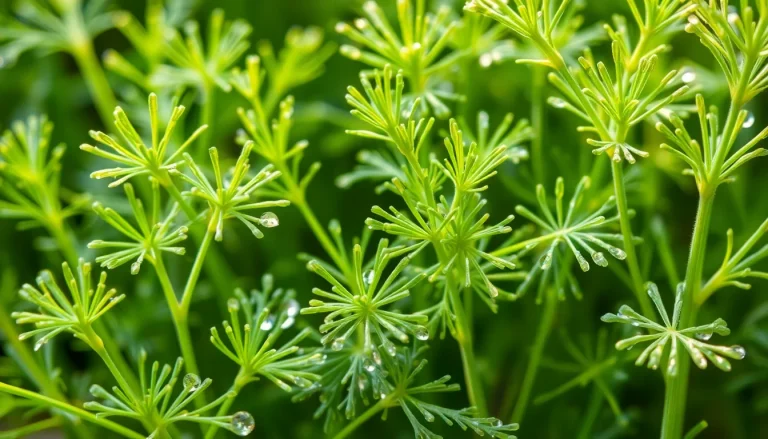
2-Octenenitrile, 3,5,7-trimethyl- (CAS 947237-95-8) — Green Top to middle Note Fragrance Ingredient
2-_Octenenitrile, 3,_5,_7-_trimethyl-
CAS 947237-95-8
What Is 2-_Octenenitrile, 3,_5,_7-_trimethyl-?
2-Octenenitrile, 3,5,7-trimethyl- is a synthetic fragrance ingredient primarily found in modern perfumery. It’s used to add fresh, green, or citrusy nuances to fragrances. This nitrile compound matters because it offers perfumers a unique building block for creating crisp, contemporary scent profiles with good stability in formulations.
Safety Profile
USE WITH AWARENESSWhat Does 2-_Octenenitrile, 3,_5,_7-_trimethyl- Smell Like?
This nitrile presents a sharp, green opening with distinct citrus undertones reminiscent of crushed lime leaves. The initial burst evolves into a more subdued, cucumber-like freshness with a subtle metallic edge. In dry-down, it leaves a clean, slightly watery impression that works well as a modern top note. The overall effect is crisp and diffusive, with moderate tenacity that makes it particularly useful for brightening floral or woody compositions without overpowering them.
In Famous Fragrances
Fragrance associations may not reflect actual formulations.
Used here to enhance the minty freshness with its sharp green character, adding dimensionality to the herbal bouquet while preventing the composition from becoming too sweet.
Contributes to the rain-fresh aquatic effect, blending with ginger and cardamom to create a dewy, vegetal impression of monsoon-drenched foliage.
Chemistry, Properties & Perfumer Guide
The Chemistry
2-Octenenitrile, 3,5,7-trimethyl- belongs to the nitrile class of organic compounds, characterized by a carbon-nitrogen triple bond. While not found in nature, it’s synthesized through hydrocyanation of appropriate unsaturated precursors or via condensation reactions. The trimethyl substitution pattern creates steric hindrance that influences both its odor characteristics and chemical stability. The nitrile group provides polarity while the branched hydrocarbon chain contributes to moderate volatility.
Physical & Chemical Properties
| Appearance | Colorless to pale yellow liquid |
|---|---|
| Solubility | Slightly soluble in water, miscible with alcohol and oils |
Perfumer Guide
| Application | Typical % | Range | Notes |
|---|---|---|---|
| Fine Fragrance | 0.5-2% | Up to 5% | Brightening agent for fresh compositions |
| Functional Fragrance | 0.1-1% | Up to 3% | Provides clean, modern freshness |
Classic Accords
Tip: Use in trace amounts with hesperidic notes to create a ‘cut grass’ effect without excessive greenness.
Alternatives & Comparisons
Offers similar green-woody character with more pronounced cucumber aspects, useful when a softer effect is desired.
Safety, Regulatory & Sustainability
⚠ Regulatory Disclaimer
General reference only. Consult current IFRA Standards Library before formulating.
IFRA Status
No specific restrictions under current IFRA standards (Amendment 49).
RIFM Assessment
Under review by RIFM as of 2023 – preliminary data suggests low sensitization potential.
Sustainability
As a synthetic material, this nitrile has minimal environmental impact in production. Its efficient use at low concentrations contributes to sustainable formulation practices. Being petroleum-derived, it avoids agricultural land use issues associated with natural materials.
Explore 2-_Octenenitrile, 3,_5,_7-_trimethyl-
Browse essential oils and aroma compounds.
Browse on iHerb →Affiliate disclosure: we may earn a small commission at no extra cost to you.
References
- Brenna, E. et al. (2012). Nitriles in Fragrance Chemistry. Chemistry & Biodiversity. PMID 22782867
Data: PubChem (NIH), PubMed, RIFM, IFRA. Last reviewed: Apr 2026.
Report a data errorRelated Research
- Lyral (CAS 31906-04-4) — floral heart Note Fragrance Ingredient
- 1,3-Dioxolane, 2,4-dimethyl-2-(5,6,7,8-tetrahydro-5,5,8,8-tetramethyl-2-naphthalenyl)-, trans- (CAS 131812-52-7) — Woody Middle Note Fragrance Ingredient
- 3-Butylidenephthalide (CAS 0551-08-06) — Green Middle Note Fragrance Ingredient
- Cyclohexanone, 2-ethyl-4,4-dimethyl- (CAS 55739-89-4) — Woody Middle Note Fragrance Ingredient