Pepper absolute (CAS 91770-90-0) — Spicy Top to heart Note Fragrance Ingredient
Pepper absolute
CAS 91770-90-0
What Is Pepper absolute?
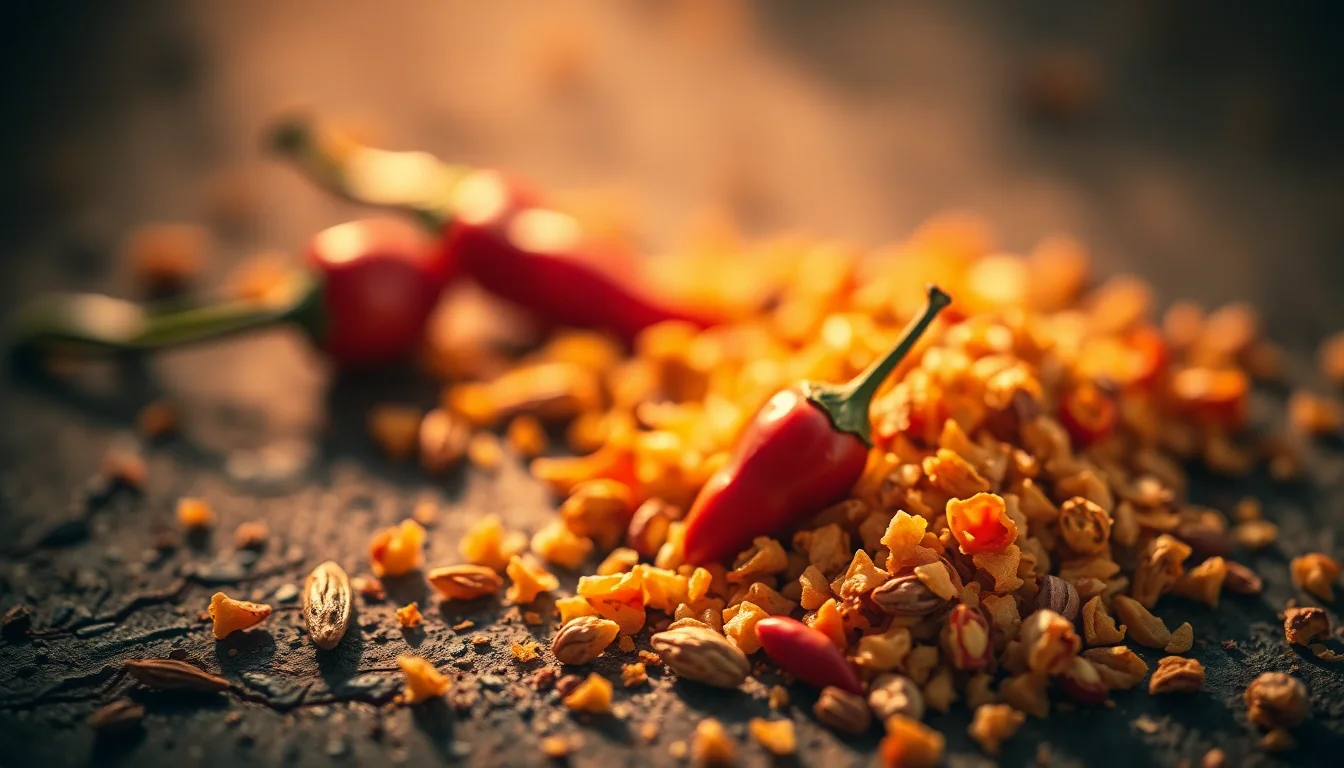
Pepper absolute is a highly concentrated extract derived from black peppercorns, often encountered in spicy, woody, or oriental fragrances. It provides a warm, piquant edge to perfumes and is sometimes used in gourmand compositions. This ingredient matters because it adds a natural complexity and depth that synthetic pepper notes can’t fully replicate, creating fragrances with authentic warmth and longevity.
Safety Profile
USE WITH AWARENESSWhat Does Pepper absolute Smell Like?
Pepper absolute bursts with an intense, fiery spiciness that immediately grabs attention—like freshly cracked peppercorns with an almost electric vibrancy. The top note is sharp and peppery, evolving into a warm, slightly woody heart with hints of dry hay and earthiness. As it dries down, it reveals a softer, almost sweet balsamic undertone that lingers subtly on the skin. The overall effect is both invigorating and comforting, like a spice market at dusk.
In Famous Fragrances
Fragrance associations may not reflect actual formulations.
Uses pepper absolute for its radiant, spicy warmth, contrasting with creamy sandalwood and dry woods to create a sophisticated yet earthy composition.
Features pepper absolute as the star, amplifying its sharp, peppery punch with citrus and woody notes for a modern, urban edge.
Blends pepper absolute with vanilla and musk to soften its intensity while maintaining a warm, spicy core that evolves beautifully over time.
Layers pepper absolute with rose and citrus, creating a bold, spicy floral that feels both classic and contemporary.
Uses pepper absolute to enhance its explosive spicy opening, balanced with tobacco and leather for a masculine, dynamic effect.
Chemistry, Properties & Perfumer Guide
The Chemistry
Pepper absolute is obtained through solvent extraction of black peppercorns (Piper nigrum), primarily containing sesquiterpenes and monoterpenes that contribute to its spicy, woody aroma. Key constituents include β-caryophyllene, limonene, and pinene, which provide its characteristic sharpness and warmth. The extraction process preserves the full spectrum of natural compounds, making it richer and more complex than steam-distilled pepper oil. Chirality plays a role in its odor profile, with certain enantiomers enhancing specific spicy or woody nuances.
Physical & Chemical Properties
| Appearance | Dark brown viscous liquid |
|---|---|
| Solubility | Soluble in alcohol and oils |
Perfumer Guide
| Application | Typical % | Range | Notes |
|---|---|---|---|
| Fine Fragrance | 0.5-2% | Up to 5% | Adds spicy warmth and complexity |
| Home Fragrance | 1-3% | Up to 5% | Enhances woody and oriental accords |
| Personal Care | 0.1-1% | Up to 2% | Used sparingly for spicy notes |
Classic Accords
Tip: Use sparingly to avoid overpowering other notes—it works best as a supporting player rather than the main focus.
Alternatives & Comparisons
A lighter, fruitier alternative with less intensity, ideal for fresher or more floral compositions.
Provides a cleaner, more controlled pepper note without the complexity of natural absolute.
Safety, Regulatory & Sustainability
⚠ Regulatory Disclaimer
General reference only. Consult current IFRA Standards Library before formulating.
IFRA Status
No IFRA restrictions. Generally recognized as safe for use in fragrances.
EU Allergen Declaration
None listed under EU allergen regulations.
RIFM Assessment
RIFM has evaluated pepper absolute and found it safe for use in current practices.
Sustainability
Pepper absolute is sourced from sustainable farming practices in tropical regions. The extraction process is solvent-based but efficient, yielding a high-impact material with minimal waste. Its natural origin makes it preferable for eco-conscious formulations, though synthetic alternatives can reduce agricultural footprint.
Explore Pepper absolute
Browse essential oils and aroma compounds.
Browse on iHerb →Affiliate disclosure: we may earn a small commission at no extra cost to you.
References
- Burdock, G.A. (2010). Fenaroli’s Handbook of Flavor Ingredients. CRC Press. ISBN 9781420090772
- PubChem Compound Summary for Pepper Oil PubChem CID: 84691
Data: PubChem (NIH), PubMed, RIFM, IFRA. Last reviewed: Apr 2026.
Report a data errorIngredient Data Sheet
CAS 91770-90-0Physical data: PubChem (NIH/NLM), U.S. EPA CompTox Dashboard, EPA OPERA models, RDKit. Odor & flavor: Arctander (Perfume & Flavor Chemicals), Fenaroli's Handbook of Flavor Ingredients, Leffingwell. Thresholds: van Gemert (Compilations of Odour Threshold Values). Regulatory: IFRA Standards 51st, FEMA GRAS. Trade names: Surburg (Common Fragrance & Flavor Materials). All data compiled and cross-referenced for perfumertools.com.
Related Research
- Lavandin oil acetylated (CAS 68916-93-8) — Floral Top to middle Note Fragrance Ingredient
- Tricyclodecenyl propionate (CAS 17511-60-3) — Woody Base Note Fragrance Ingredient
- Veratraldehyde (CAS 120-14-9) — Sweet Middle Note Fragrance Ingredient
- 2 Propenoic acid, 2-[1-[(1R)-3,3-dimethylcyclohexyl]ethoxy]-2-methylpropyl ester (CAS 811436-82-5) — Woody Base Note Fragrance Ingredient
![Methyl 3,3-dimethylbicyclo[2.2.1]heptane-2-carboxylate (CAS 52557-97-8) — Woody Middle Note Fragrance Ingredient](https://thegoodscents.company/wp-content/uploads/2026/04/methyl-3-3-dimethylbicyclo-2-2-1-heptane-2-carboxylate-1-768x439.webp)