Pineapple extract (CAS 97676-27-2) — Sweet Top/Heart Note Fragrance Ingredient
Pineapple extract
CAS 97676-27-2
What Is Pineapple extract?
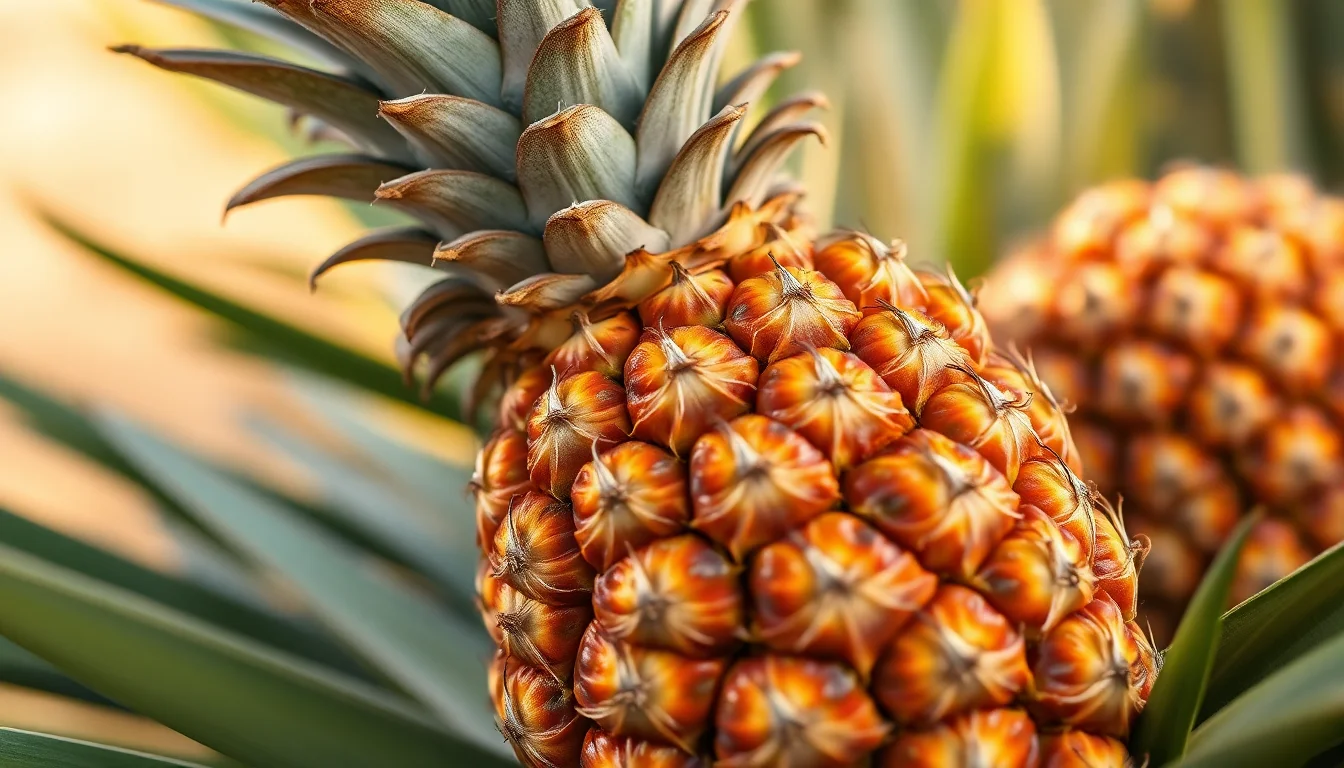
Pineapple extract is a natural ingredient derived from the fruit of the pineapple plant. It’s commonly found in tropical fragrances, fruity body care products, and some novelty air fresheners. The extract captures the juicy, sweet-tart essence of fresh pineapple, adding an exotic touch to formulations. Because it’s derived from a food source, pineapple extract has broad consumer appeal and is often used to create playful, summery scent profiles.
Safety Profile
GENERALLY SAFEWhat Does Pineapple extract Smell Like?
The scent of pineapple extract bursts with sun-ripened intensity—imagine splitting open a golden pineapple at peak ripeness, where sugary juice runs down your fingers. Top notes are all effervescent bromelain tang and candied citrus rind, mellowing into a honeyed tropical heart with subtle fermented nuances. The drydown reveals a warm, slightly musky fruit leather character that lingers closer to skin than typical citrus notes. When overdosed, it can veer toward piña colada mixers or gummy candy, but in moderation it adds mouthwatering luminosity.
In Famous Fragrances
Fragrance associations may not reflect actual formulations.
Used alongside lime and coconut to create a photorealistic tropical cocktail effect. The pineapple adds juicy brightness that prevents the coconut from feeling too heavy or sunscreened.
Chemistry, Properties & Perfumer Guide
The Chemistry
Pineapple extract contains a complex mixture of esters, acids, and sulfur compounds naturally present in the fruit. Key volatile components include methyl and ethyl esters like methyl butanoate (apple-like) and ethyl hexanoate (pineapple core). The extract also contains trace amounts of sulfur compounds such as 3-(methylthio)propanoate, which contribute to the ripe, almost fermented depth. Unlike single aroma chemicals, the extract retains the full spectrum of the fruit’s volatiles, including minor constituents that add dimensionality.
Physical & Chemical Properties
| Appearance | Yellowish liquid |
|---|---|
| Solubility | Soluble in alcohol |
Perfumer Guide
| Application | Typical % | Range | Notes |
|---|---|---|---|
| Body Care | 0.5-2% | Up to 5% | Adds fruity freshness to shower gels |
| Candles | 1-3% | Up to 8% | Pairs well with coconut and vanilla |
Classic Accords
Tip: Use with white musks to modernize the fruitiness and prevent cloying sweetness.
Alternatives & Comparisons
When cost is a factor, this single ester provides a simpler pineapple-like effect, though lacks the dimensionality of natural extract.
Safety, Regulatory & Sustainability
⚠ Regulatory Disclaimer
General reference only. Consult current IFRA Standards Library before formulating.
IFRA Status
No restrictions. Approved for all applications.
EU Allergen Declaration
None identified in natural extract form.
RIFM Assessment
Considered safe as used in fragrance by RIFM.
Sustainability
Pineapple extract is typically a byproduct of the food industry, utilizing fruit that may not meet cosmetic standards. Most sourcing comes from established tropical plantations, though buyers should verify fair labor practices. The water-intensive nature of pineapple farming suggests synthetic alternatives may be preferable for environmental footprint in some cases.
Explore Pineapple extract
Browse essential oils and aroma compounds.
Browse on iHerb →Affiliate disclosure: we may earn a small commission at no extra cost to you.
References
- Pino, J. A. (2014). Volatile Components of Pineapple. In Fruit and Vegetable Phytochemicals. DOI
Data: PubChem (NIH), PubMed, RIFM, IFRA. Last reviewed: Apr 2026.
Report a data errorIngredient Data Sheet
CAS 97676-27-2Physical data: PubChem (NIH/NLM), U.S. EPA CompTox Dashboard, EPA OPERA models, RDKit. Odor & flavor: Arctander (Perfume & Flavor Chemicals), Fenaroli's Handbook of Flavor Ingredients, Leffingwell. Thresholds: van Gemert (Compilations of Odour Threshold Values). Regulatory: IFRA Standards 51st, FEMA GRAS. Trade names: Surburg (Common Fragrance & Flavor Materials). All data compiled and cross-referenced for perfumertools.com.
Related Research
- Oxirane, methyl-, polymer with oxirane, monobutyl ether (CAS 9038-95-3) — Citrus Non-aromatic Note Fragrance Ingredient
- Isopropyl acetate (CAS 108-21-4) — Sweet Top Note Fragrance Ingredient
- 3,7-Dimethyl-2,6-octadien-1-ol (CAS 624-15-7) — Floral Top to middle Note Fragrance Ingredient
- Pentanedioic acid, 1-(4-formyl-2-methoxyphenyl) 5-[(1R,2S,5R)-5-methyl-2-(1-methylethyl)cyclohexyl] ester (CAS 2308574-23-2) — Woody Heart to base Note Fragrance Ingredient