Rosemary absolute (CAS 8000-25-7) — Green Top-middle Note Fragrance Ingredient
Rosemary absolute
CAS 8000-25-7
What Is Rosemary absolute?
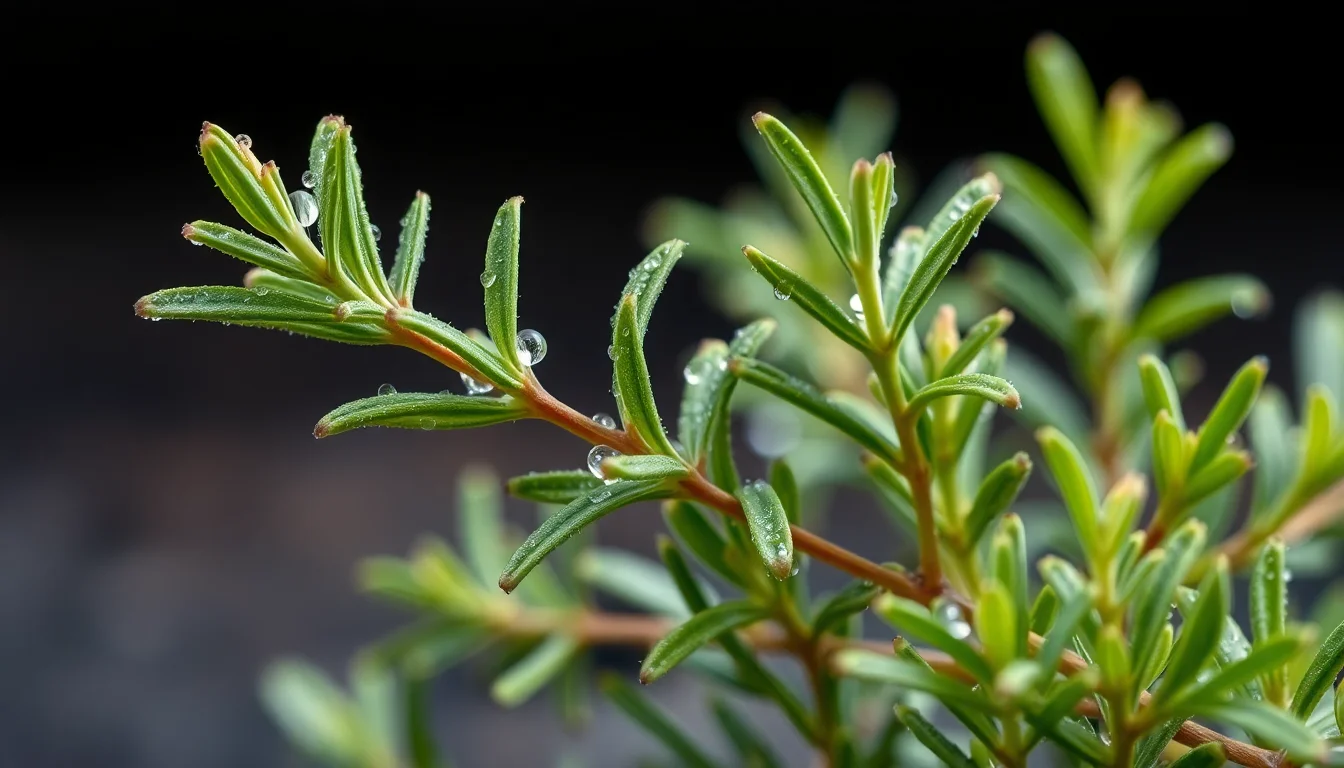
Rosemary absolute is a concentrated aromatic extract from rosemary leaves, commonly encountered in herbal fragrances, natural cosmetics, and aromatherapy products. Its crisp, herbaceous scent evokes Mediterranean landscapes and fresh greenery. This ingredient matters because it bridges herbal and woody fragrance families, adding both freshness and depth to compositions while carrying cultural associations with clarity and memory.
Safety Profile
USE WITH AWARENESSWhat Does Rosemary absolute Smell Like?
Rosemary absolute bursts with piercing camphoraceous freshness – imagine crushed evergreen needles under Mediterranean sun. The initial sharpness carries medicinal undertones before softening into a warm, woody-herbal heart reminiscent of dried rosemary sprigs. Over hours, it develops a dry, slightly balsamic character with whispers of eucalyptus and pine resin. Unlike the essential oil, the absolute retains more floral nuances – a hidden lavender-like sweetness emerges in the dry-down, rounding out its otherwise rugged personality.
In Famous Fragrances
Fragrance associations may not reflect actual formulations.
Provides the crisp herbal signature alongside citrus, forming the archetypal masculine cologne structure. Its camphoraceous edge cuts through sweetness.
Showcases rosemary’s coastal facets, blending its herbal intensity with marine notes for a windswept cliffside effect.
Chemistry, Properties & Perfumer Guide
The Chemistry
Rosemary absolute contains over 100 constituents, dominated by 1,8-cineole (20-50%), α-pinene (15-25%), and camphor (10-20%). These monoterpenes and ketones create its signature medicinal-herbal profile. The absolute differs from steam-distilled oil by retaining heavier sesquiterpenes and waxes through solvent extraction. Geographic origin significantly impacts composition – Spanish varieties tend higher in cineole, while French types show more camphor. CO2 extracts preserve even more delicate oxygenated compounds compared to traditional hexane absolutes.
Physical & Chemical Properties
| Appearance | Viscous greenish-brown liquid |
|---|---|
| Solubility | Soluble in alcohol, fixed oils |
Key Constituent Properties
| Constituent | CAS | MW | BP °C | XLogP | Vapor P. |
|---|---|---|---|---|---|
| 1,8-Cineole | 470-82-6 | 154.25 | 176 °C | 2.7 | 0.16 mmHg |
Perfumer Guide
| Application | Typical % | Range | Notes |
|---|---|---|---|
| Fine Fragrance | 0.5-2% | Up to 5% | Used for herbal freshness in fougères and colognes |
| Functional Fragrance | 0.1-0.5% | Up to 1% | Adds clean character to soaps and detergents |
Classic Accords
Tip: Balance camphoraceous intensity by pairing with sweeter herbs like sage or marjoram.
Alternatives & Comparisons
Steam-distilled version is sharper and more camphoraceous, lacking the absolute’s floral depth.
Provides similar cineole freshness but without rosemary’s woody-herbal complexity.
Safety, Regulatory & Sustainability
⚠ Regulatory Disclaimer
General reference only. Consult current IFRA Standards Library before formulating.
IFRA Status
No IFRA restrictions. Camphor content self-limits usage due to odor dominance.
EU Allergen Declaration
Contains limonene (≤1%) – must be declared if present above 0.01% in leave-on products.
GHS Classification
RIFM Assessment
RIFM assessment confirms safe use at current industry levels.
Sustainability
Rosemary is drought-resistant and widely cultivated, making it relatively sustainable. Organic farming practices reduce solvent residues in absolutes. CO2 extraction offers cleaner production but higher energy costs. Synthetic reconstructions exist but lack the natural complexity.
Explore Rosemary absolute
Browse essential oils and aroma compounds.
Browse on iHerb →Affiliate disclosure: we may earn a small commission at no extra cost to you.
References
- Boelens, M.H. (1994). Chemical and Sensory Evaluation of Rosemary. Perfumer & Flavorist. P&F Vol 19
- PubChem Compound Summary for 1,8-Cineole CID 2758
Data: PubChem (NIH), PubMed, RIFM, IFRA. Last reviewed: Apr 2026.
Report a data errorIngredient Data Sheet
CAS 8000-25-7Odor & Flavor
| Obtained by steam distillation with yields of approximately 0.5 to 1.2% from the fresh, flowering tops. It has a characteristic odor of rosemary and a warm, camphoraceous taste. Spanish rosemary essential oil has the largest production.📖 Fenaroli |
Regulatory Status
| IOFI Classification | Natural📖 Fenaroli |
Physical data: PubChem (NIH/NLM), U.S. EPA CompTox Dashboard, EPA OPERA models, RDKit. Odor & flavor: Arctander (Perfume & Flavor Chemicals), Fenaroli's Handbook of Flavor Ingredients, Leffingwell. Thresholds: van Gemert (Compilations of Odour Threshold Values). Regulatory: IFRA Standards 51st, FEMA GRAS. Trade names: Surburg (Common Fragrance & Flavor Materials). All data compiled and cross-referenced for perfumertools.com.