Spike lavender oil (CAS 8016-78-2) — Floral Top-to-heart Note Fragrance Ingredient
Spike lavender oil
CAS 8016-78-2
What Is Spike lavender oil?
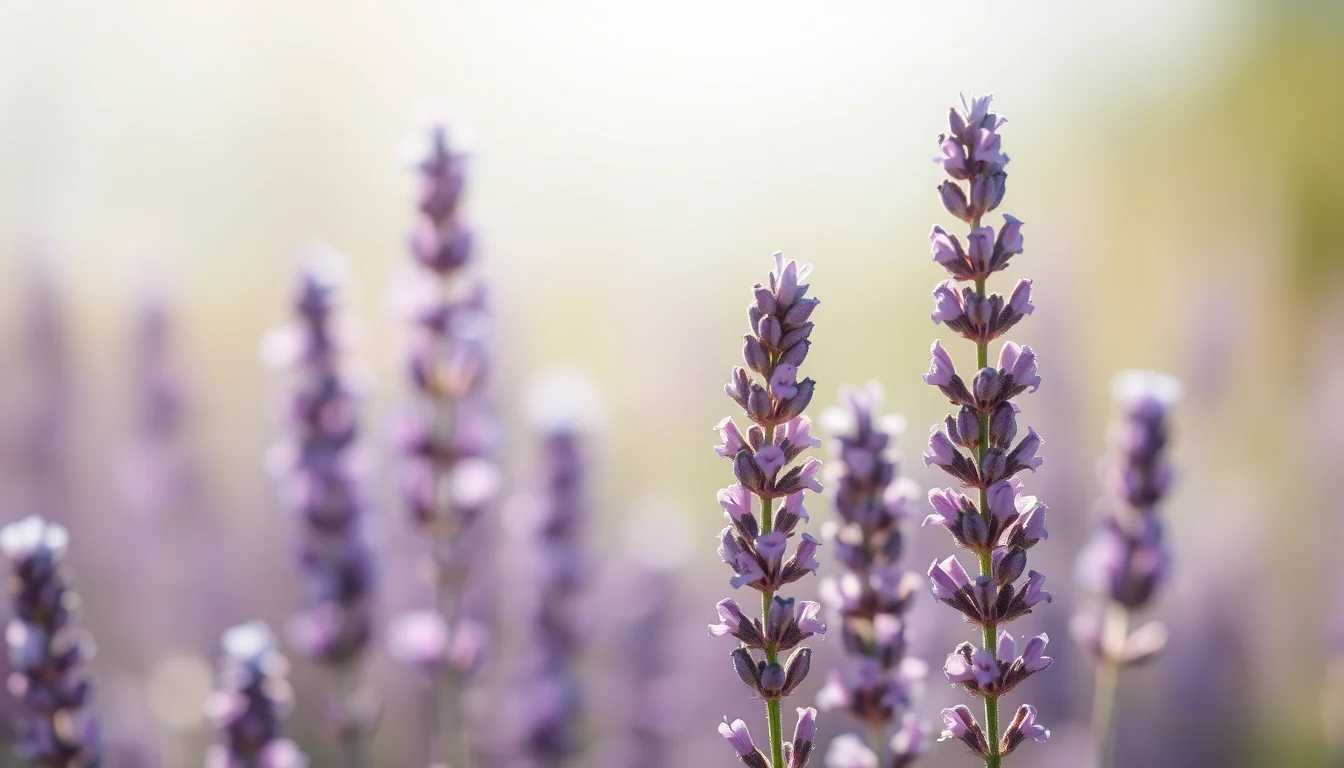
Spike lavender oil is a fragrant essential oil derived from Lavandula latifolia, a lavender species native to the Mediterranean. You’ll encounter it in premium soaps, aromatherapy blends, and masculine colognes. Unlike common lavender, it has a sharper, camphoraceous edge. This oil bridges herbal and medicinal aromas, prized for its ability to add depth to fresh compositions while maintaining lavender’s soothing reputation.
Safety Profile
USE WITH AWARENESSWhat Does Spike lavender oil Smell Like?
Spike lavender bursts with a crisp, medicinal camphor note that quickly reveals pine-like freshness beneath. Unlike sweet lavender, it carries a rugged, almost gasoline-like sharpness in the opening that mellows into a dry herbal heart. The dry-down lingers with woody-herbal tones reminiscent of rosemary and eucalyptus, leaving a clean masculine trail. Imagine walking through a sun-baked Mediterranean hillside where lavender meets wild sage bushes.
In Famous Fragrances
Fragrance associations may not reflect actual formulations.
Used for its crisp herbal character that complements the citrus-hedione accord, adding aromatic depth without floral sweetness.
Provides the sharp lavender-anise contrast in this fougère masterpiece, balancing the sweetness of tonka bean.
Chemistry, Properties & Perfumer Guide
The Chemistry
Spike lavender oil differs from true lavender (L. angustifolia) by its higher camphor (10-20%) and 1,8-cineole (25-45%) content. These monoterpenoids create its distinctive medicinal character. The oil is steam-distilled from flowering tops, with chemotypes varying by region. Spanish productions often show higher cineole levels, while French varieties lean camphoraceous. Unlike synthetic lavender reconstructions, spike lavender’s complexity arises from hundreds of trace constituents including linalool, borneol, and terpinene derivatives.
Physical & Chemical Properties
| Flash Point | 62 °C |
|---|---|
| Optical Rotation | -5 to -10° |
Key Constituent Properties
| Constituent | CAS | MW | BP °C | XLogP | Vapor P. |
|---|---|---|---|---|---|
| 1,8-Cineole | 470-82-6 | 154.25 | 176 | 2.7 | 1.5 mmHg |
| Camphor | 76-22-2 | 152.23 | 204 | 2.4 | 0.18 mmHg |
Perfumer Guide
| Application | Typical % | Range | Notes |
|---|---|---|---|
| Men’s Fragrance | 5-12% | Up to 20% | Fougère and chypre bases |
| Aromatherapy | 1-3% | Up to 5% | Respiratory blends |
Classic Accords
Tip: Balance camphoraceous notes with sweet linalyl acetate or vanillin to prevent harshness.
Alternatives & Comparisons
Hybrid lavender with intermediate camphor levels when a softer spike lavender effect is desired.
Safety, Regulatory & Sustainability
⚠ Regulatory Disclaimer
General reference only. Consult current IFRA Standards Library before formulating.
IFRA Status
No restrictions under IFRA 51st Amendment. Camphor content self-limits usage.
EU Allergen Declaration
Contains linalool (25%) – must be declared above 0.01% in leave-on products.
GHS Classification
RIFM Assessment
RIFM-reviewed with no additional restrictions beyond standard essential oil precautions.
Sustainability
Wild harvesting threatens some populations, though most commercial supply comes from cultivated Spanish farms. Steam distillation requires significant energy input but produces minimal waste. Synthetic alternatives exist but lack the oil’s full complexity.
Explore Spike lavender oil
Browse essential oils and aroma compounds.
Browse on iHerb →Affiliate disclosure: we may earn a small commission at no extra cost to you.
References
- Lis-Balchin, M. (2002). Lavender: The Genus Lavandula. CRC Press. ISBN 9780429218539
Data: PubChem (NIH), PubMed, RIFM, IFRA. Last reviewed: Apr 2026.
Report a data errorIngredient Data Sheet
CAS 8016-78-2Odor & Flavor
| The oil is obtained by steam distillation of the sun-dried flowering tops. It has a camphoraceous, herbaceous, earthy odor reminiscent of lavender.📖 Fenaroli |
Regulatory Status
| IOFI Classification | Natural📖 Fenaroli |
Physical data: PubChem (NIH/NLM), U.S. EPA CompTox Dashboard, EPA OPERA models, RDKit. Odor & flavor: Arctander (Perfume & Flavor Chemicals), Fenaroli's Handbook of Flavor Ingredients, Leffingwell. Thresholds: van Gemert (Compilations of Odour Threshold Values). Regulatory: IFRA Standards 51st, FEMA GRAS. Trade names: Surburg (Common Fragrance & Flavor Materials). All data compiled and cross-referenced for perfumertools.com.