Terpenes and terpenoids, mixed sour and sweet orange oil (CAS 68917-57-7) — Citrus Top Note Fragrance Ingredient
Terpenes and terpenoids, mixed sour and sweet orange oil
CAS 68917-57-7
What Is Terpenes and terpenoids, mixed sour and sweet orange oil?
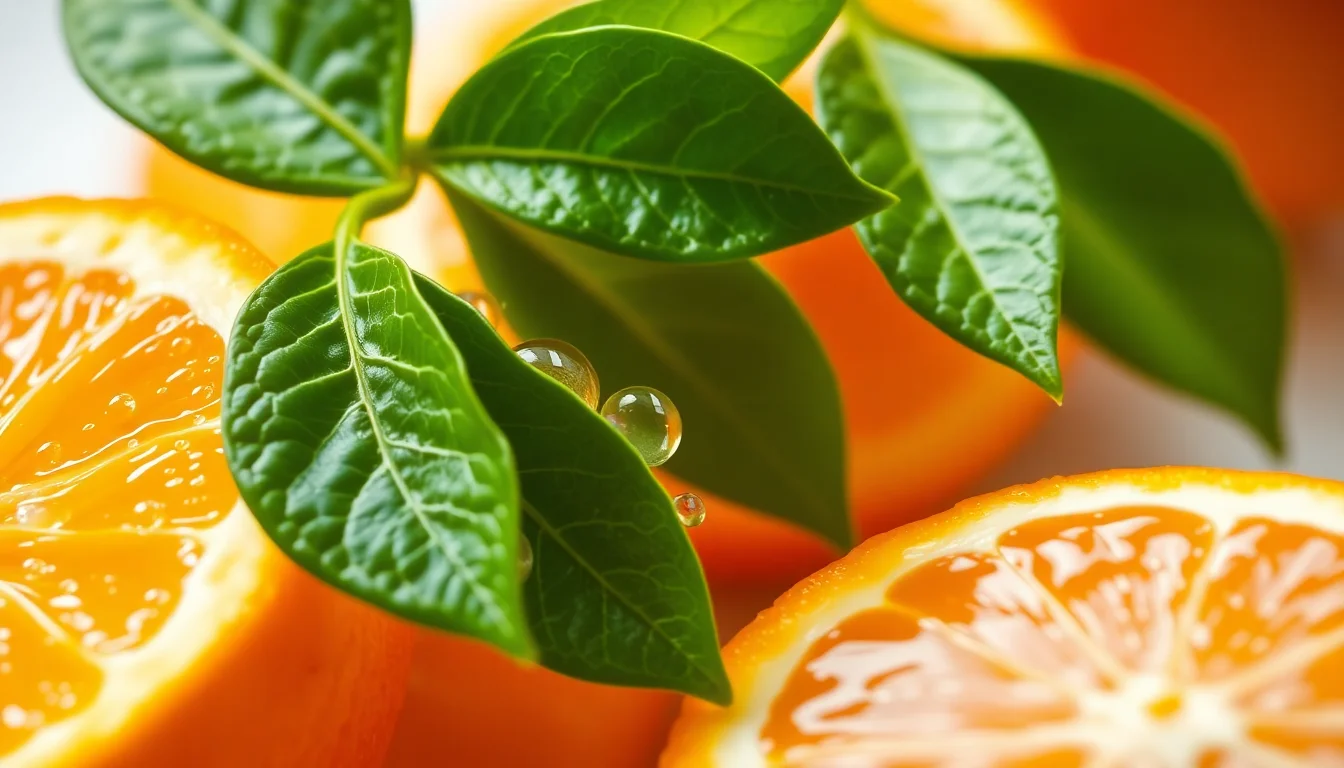
Terpenes and terpenoids from mixed orange oils are natural compounds found in citrus peels. They’re used in food flavorings, household cleaners, and perfumes for their fresh, uplifting scent. These molecules contribute to the distinct aroma of oranges while offering antimicrobial properties, making them valuable in both fragrances and functional products.
Safety Profile
GENERALLY SAFEWhat Does Terpenes and terpenoids, mixed sour and sweet orange oil Smell Like?
The terpenes in orange oil burst with zesty, sun-warmed citrus peel character – think freshly grated orange zest with a candied edge. Initial brightness mellows into a juicy, slightly green sweetness reminiscent of marmalade. The terpenoids add depth with subtle woody-herbal undertones that emerge during dry-down, creating a more complex profile than pure limonene.
In Famous Fragrances
Fragrance associations may not reflect actual formulations.
Uses orange terpenes to create its iconic fresh citrus opening, blending with rosemary and basil for a Mediterranean aromatic effect.
Features blood orange terpenes prominently to achieve photorealistic citrus that lasts unusually long for a top note.
Chemistry, Properties & Perfumer Guide
The Chemistry
Orange oil terpenes primarily consist of limonene (up to 95%), with smaller amounts of myrcene, pinene, and sabinene. The terpenoid fraction includes oxygenated compounds like citral and linalool. These compounds are extracted via cold pressing of orange peels, with some subsequent fractional distillation to isolate specific components. The mix of mono- and sesquiterpenes creates both immediate freshness and subtle lasting power.
Physical & Chemical Properties
| Boiling Point Range | 175-178°C (limonene) |
|---|---|
| Flash Point | 48°C |
| Refractive Index | 1.472-1.474 |
Perfumer Guide
| Application | Typical % | Range | Notes |
|---|---|---|---|
| Fine Fragrance | 5-10% | Up to 20% | Citrus core component |
| Functional Fragrance | 0.5-2% | Up to 5% | Air fresheners, cleaners |
Classic Accords
Tip: Combine with citrus aldehydes to extend freshness and prevent flatness in top notes.
Alternatives & Comparisons
Purified single terpene when more consistent citrus character is needed without orange oil’s complexity.
Safety, Regulatory & Sustainability
⚠ Regulatory Disclaimer
General reference only. Consult current IFRA Standards Library before formulating.
IFRA Status
No restrictions under IFRA 49th Amendment. Limonene content requires antioxidant stabilization.
EU Allergen Declaration
Limonene must be declared above 100 ppm due to oxidation products.
GHS Classification
RIFM Assessment
RIFM safety assessment complete for food and fragrance use.
Sustainability
Orange terpenes are byproducts of juice production, making them highly sustainable. Cold pressing extraction maintains low carbon footprint compared to distillation. Some concerns exist about citrus greening disease affecting future supply stability.
Explore Terpenes and terpenoids, mixed sour and sweet orange oil
Browse essential oils and aroma compounds.
Browse on iHerb →Affiliate disclosure: we may earn a small commission at no extra cost to you.
References
- Dharmawan et al. (2007). Characterization of volatile compounds in selected citrus fruits. Flavour and Fragrance Journal. Link
Data: PubChem (NIH), PubMed, RIFM, IFRA. Last reviewed: Apr 2026.
Report a data errorIngredient Data Sheet
CAS 68917-57-7Physical data: PubChem (NIH/NLM), U.S. EPA CompTox Dashboard, EPA OPERA models, RDKit. Odor & flavor: Arctander (Perfume & Flavor Chemicals), Fenaroli's Handbook of Flavor Ingredients, Leffingwell. Thresholds: van Gemert (Compilations of Odour Threshold Values). Regulatory: IFRA Standards 51st, FEMA GRAS. Trade names: Surburg (Common Fragrance & Flavor Materials). All data compiled and cross-referenced for perfumertools.com.
Related Research
- Benzoic acid, 2-[(2-phenylethylidene)amino]-, methyl ester (CAS 67785-76-6) — Balsamic Middle to base Note Fragrance Ingredient
- Scotch broom absolute (CAS 8023-80-1) — Sweet Heart to base Note Fragrance Ingredient
- Sclareolide (CAS 564-20-5) — Woody Base Note Fragrance Ingredient
- 4,8-Dimethyl-7-nonen-2-ol (CAS 40596-76-7) — Green Top Note Fragrance Ingredient