
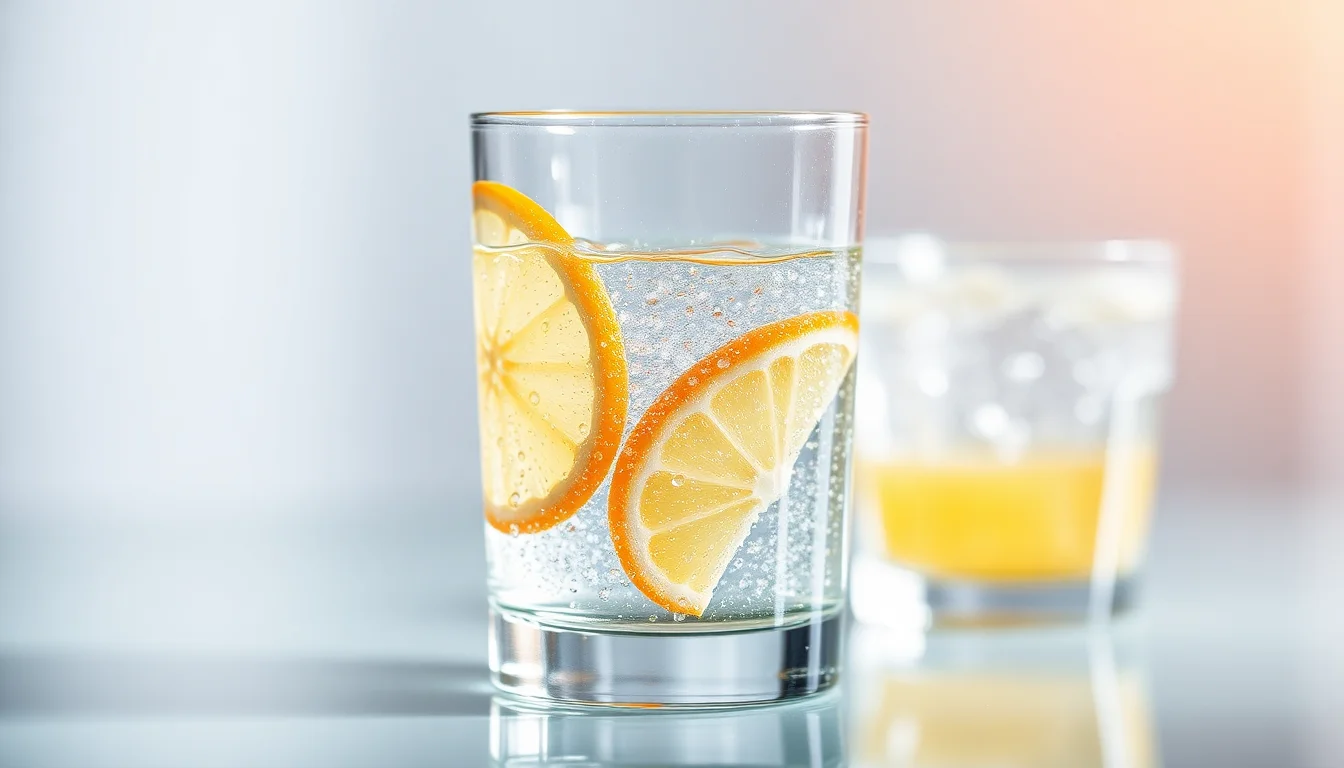
Valencene (CAS 4630-07-03) — Citrus Heart Note Fragrance Ingredient
Valencene
CAS 4630-07-03
What Is Valencene?
Valencene is a naturally occurring sesquiterpene found in citrus fruits, particularly Valencia oranges. It’s used in perfumes, flavorings, and aromatherapy products for its fresh, citrusy character. This ingredient matters because it provides a natural, vibrant orange note without the phototoxicity concerns of some citrus oils, making it a versatile choice for sun-exposed skin products.
Safety Profile
GENERALLY SAFE
What Does Valencene Smell Like?
Valencene bursts with the juicy, sun-ripened sweetness of freshly peeled oranges, carrying subtle floral undertones that distinguish it from simpler citrus notes. As it evolves, the initial vibrant top gives way to a softer, woody-orange heart reminiscent of orange zest drying in the sun. The dry-down reveals a delicate, almost honeyed facet that lingers close to the skin, making it particularly valuable for creating naturalistic citrus accords that don’t disappear too quickly.
Scent Profile
In Famous Fragrances
Fragrance associations may not reflect actual formulations.
Used alongside neroli and bergamot to create a more durable orange note in this historic cologne, preventing the citrus from fading too quickly.
Amplifies the blood orange accord while adding depth, helping bridge the citrus top to the amber base.
Chemistry, Properties & Perfumer Guide
The Chemistry
Valencene is a bicyclic sesquiterpene hydrocarbon (C15H24) that occurs naturally in citrus peel oils, particularly in Valencia oranges (Citrus sinensis). Industrially, it’s typically isolated from citrus byproducts through fractional distillation or chromatography. The molecule features a unique 7-membered ring fused to a cyclopropane ring, contributing to its stability compared to monoterpene citrus components. While usually derived from natural sources, synthetic routes exist via cyclization of farnesyl derivatives.
Physical & Chemical Properties
| Boiling Point | 123-125 °C (at 12 mmHg) |
|---|---|
| Density | 0.86 g/cm³ |
Perfumer Guide
| Application | Typical % | Range | Notes |
|---|---|---|---|
| Fine Fragrance | 1-5% | Up to 10% | For citrus enhancement |
| Functional Fragrance | 0.5-2% | Up to 5% | In soaps and detergents |
Classic Accords
+ Sandalwood + Vanilla = Orange Gourmand
Tip: Combine with citrus aldehydes (C-10, C-12) to boost diffusion and longevity of orange accords.
Alternatives & Comparisons
When a more intense, grapefruit-like citrus character is needed, though it’s significantly more expensive.
Safety, Regulatory & Sustainability
⚠ Regulatory Disclaimer
General reference only. IFRA, REACH, EU Cosmetics Regulation standards update periodically. Consult current IFRA Standards Library before formulating. Not legal or regulatory advice.
IFRA Status
No restrictions under IFRA standards.
RIFM Assessment
RIFM assessment confirms safe use at current levels in fragrances.
Sustainability
Most valencene is sourced as a byproduct of orange juice production, making it a sustainable choice that utilizes existing agricultural waste streams. Synthetic production exists but is less common due to the availability of natural sources. The citrus industry’s responsible farming practices generally extend to this byproduct material.
Explore Valencene
Browse essential oils and aroma compounds.
Affiliate disclosure: we may earn a small commission at no extra cost to you.
Industry & Science Data
References
- Burdock, G.A. (2010). Fenaroli’s Handbook of Flavor Ingredients. CRC Press. ISBN 9781420090772
Data: PubChem (NIH), PubMed, RIFM, IFRA. Last reviewed: Mar 2026.
Related Research
- (E)-1-(2,6,6-Trimethyl-2-cyclohexen-1-yl)-2-buten-1-one (CAS 24720-09-0) — Woody Heart to base Note Fragrance Ingredient
- Pyrazine, 2-ethyl-3-methoxy- (CAS 25680-58-4) — Green Top to heart Note Fragrance Ingredient
- 2-Octenal (CAS 2363-89-5) — Green Top to middle Note Fragrance Ingredient
- Glycerol ester of rosin (CAS 8050-31-5) — Woody Fixative Note Fragrance Ingredient


![[2-[(2-Methyl-1-undecen-1-yl)oxy]ethyl]benzene (CAS 2489743-82-8) — Woody Middle to base Note Fragrance Ingredient](https://thegoodscents.company/wp-content/uploads/2026/04/2-1-27-768x439.webp)

![endo-1,2,3,3-Tetramethylbicyclo[2.2.1]heptan-2-ol (CAS 28462-85-3) — Woody Middle to base Note Fragrance Ingredient](https://thegoodscents.company/wp-content/uploads/2026/04/endo-1-2-3-3-tetramethylbicyclo-2-2-1-heptan-2-ol-1-768x439.webp)