7-Decenal, (7Z)- (CAS 21661-97-2) — Green Top to middle Note Fragrance Ingredient
7-_Decenal, (7Z)_-
CAS 21661-97-2
What Is 7-_Decenal, (7Z)_-?
7-Decenal, (7Z)- is a synthetic fragrance ingredient that creates fresh, green, and slightly waxy odor effects. You might encounter it in modern floral, citrus, or aquatic perfumes where it adds a crisp, naturalistic quality. This aldehyde is valued for its ability to mimic the smell of crushed leaves or cucumber peel, making it useful for creating lifelike green accords in fine fragrances and functional products like shampoos or detergents.
Safety Profile
USE WITH AWARENESSWhat Does 7-_Decenal, (7Z)_- Smell Like?
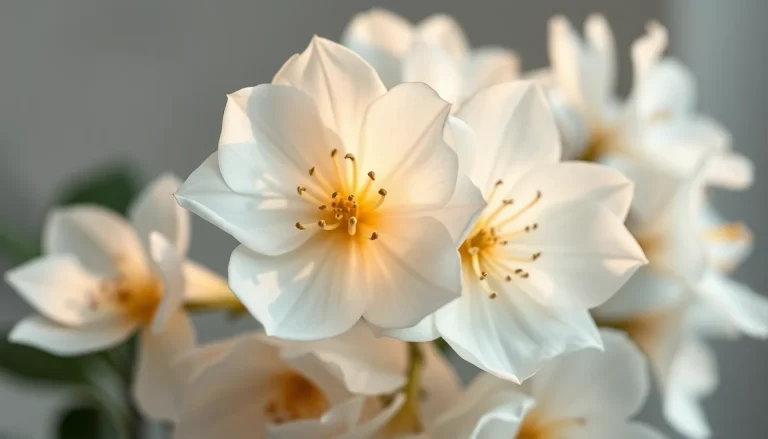
7-Decenal, (7Z)- bursts with an intensely green, almost violent freshness reminiscent of freshly torn ivy leaves or the crisp snap of a green bell pepper. The initial impact carries a waxy, cucumber-like undertone that evolves into a more floral heart with time, suggesting magnolia petals rubbed between fingers. In drydown, it leaves a clean, aquatic trace with whispers of melon rind. This molecule is particularly useful for creating ‘living green’ effects – think dewy foliage rather than cut grass, with a sophisticated transparency that prevents it from dominating compositions.
In Famous Fragrances
Fragrance associations may not reflect actual formulations.
Used to create the hyper-realistic green mango accord, contributing to the fragrance’s impression of sun-warmed fruit on the Nile’s banks.
Provides the crisp, watery greenness that defines this aquatic classic, enhancing the lotus and melon notes with naturalistic freshness.
Chemistry, Properties & Perfumer Guide
The Chemistry
7-Decenal, (7Z)- is an unsaturated aliphatic aldehyde with a ten-carbon chain and a double bond at the 7-position. As a synthetic material, it’s typically produced through hydroformylation of 1,6-heptadiene followed by careful purification. The Z-configuration of the double bond is crucial for its odor profile – the E-isomer displays markedly different characteristics. Being an α,β-unsaturated aldehyde, it’s reactive and requires stabilization in formulations, often achieved through dilution or Schiff base formation.
Physical & Chemical Properties
| Appearance | Colorless to pale yellow liquid |
|---|---|
| Boiling Point | Approx. 210-215 °C (estimated) |
| Density | Approx. 0.85 g/cm³ (estimated) |
Perfumer Guide
| Application | Typical % | Range | Notes |
|---|---|---|---|
| Fine Fragrance | 0.1-0.5% | Up to 1% | Green top note modifier |
| Functional Products | 0.01-0.1% | Up to 0.3% | Freshness booster |
| Soap/Detergent | 0.05-0.2% | Up to 0.5% | Stabilized forms preferred |
Classic Accords
Tip: Stabilize in dipropylene glycol or as a Schiff base with methyl anthranilate to prevent degradation.
Alternatives & Comparisons
More intense cucumber character with greater diffusion; use when a stronger, more vegetable-like green note is desired.
More stable green note with apple-like facets; better for long-lasting compositions requiring less reactivity.
Safety, Regulatory & Sustainability
⚠ Regulatory Disclaimer
General reference only. Consult current IFRA Standards Library before formulating.
IFRA Status
No IFRA restrictions. Listed in IFRA Transparency List Amendment 51 (2021).
GHS Classification
RIFM Assessment
RIFM assessment completed (FMR No. 6542). Safe for use at current industry levels.
Sustainability
As a synthetic material, 7-Decenal, (7Z)- has minimal environmental impact in production compared to natural alternatives like galbanum resin. Its efficient synthesis from petrochemical precursors allows for consistent quality without agricultural variability. However, as an aldehyde, it requires careful handling to prevent worker exposure during manufacturing.
Explore 7-_Decenal, (7Z)_-
Browse essential oils and aroma compounds.
Browse on iHerb →Affiliate disclosure: we may earn a small commission at no extra cost to you.
References
- Arctander, S. (1969). Perfume and Flavor Chemicals. Montclair, NJ.
- Burdock, G.A. (2010). Fenaroli’s Handbook of Flavor Ingredients. CRC Press.
Data: PubChem (NIH), PubMed, RIFM, IFRA. Last reviewed: Apr 2026.
Report a data errorRelated Research
- Nonyl alcohol (CAS 0143-08-08) — Floral Middle Note Fragrance Ingredient
- 1-(5,6,7,8-tetrahydro-2-naphthalenyl)ethanone (CAS 774-55-0) — Woody Base Note Fragrance Ingredient
- Methyl jasmonate (CAS 1211-29-6) — Floral Heart Note Fragrance Ingredient
- Phenylethyl isoamyl ether (CAS 56011-02-0) — Floral Top-Middle Note Fragrance Ingredient