
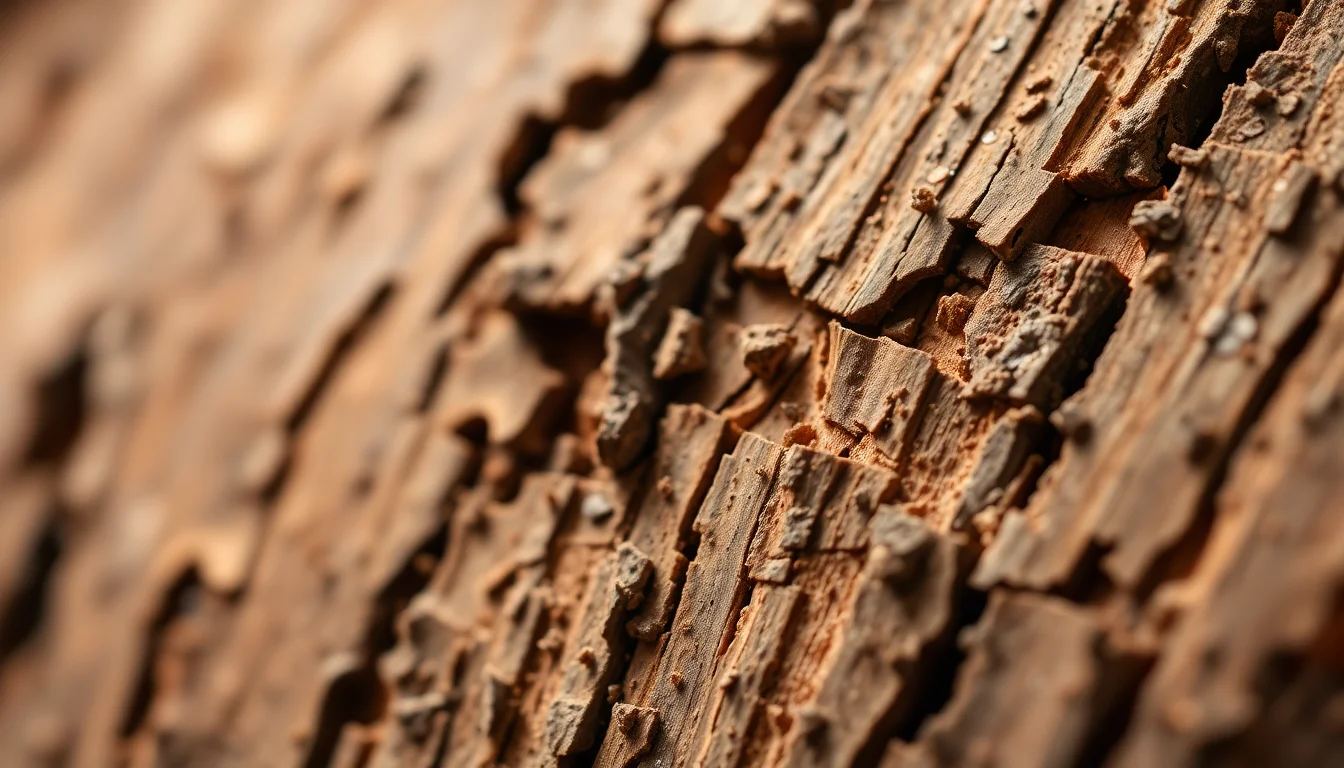
Amyris Oil (CAS 8015-65-4) — Woody Base Note Fragrance Ingredient
Amyris Oil
CAS 8015-65-4
What Is Amyris Oil?
Amyris oil, often called West Indian sandalwood oil, is a fragrant essential oil distilled from the wood of the Amyris balsamifera tree. It’s commonly found in perfumes, soaps, and aromatherapy products. This oil matters because it provides an affordable alternative to true sandalwood, offering similar woody-sweet characteristics while being more sustainable and accessible.
Safety Profile
GENERALLY SAFEWhat Does Amyris Oil Smell Like?
Amyris oil opens with a soft, woody aroma reminiscent of true sandalwood but with a lighter, slightly citrusy edge. The heart reveals a delicate balsamic sweetness with hints of vanilla and nutmeg. As it dries down, it develops a warm, creamy character with subtle floral undertones. The overall effect is comforting and grounding, like polished antique wood warmed by sunlight.
Scent Profile
In Famous Fragrances
Fragrance associations may not reflect actual formulations.
Amyris provides the woody backbone in this cult fragrance, blending with violet and cardamom to create its signature pencil-shaving accord while being more sustainable than true sandalwood.
Used alongside cedar and cypress, amyris adds warmth and depth to this woody composition, creating the illusion of aged temple wood without using endangered sandalwood species.
Chemistry, Properties & Perfumer Guide
The Chemistry
Amyris oil is primarily composed of sesquiterpenes and sesquiterpenoids, with valerianol, elemol, and eudesmol being key constituents. The oil is steam-distilled from the heartwood of Amyris balsamifera, a tropical tree native to Haiti and the Dominican Republic. While chemically distinct from true sandalwood (Santalum album), its similar olfactory profile comes from shared woody-balsamic character compounds.
Chemical Composition
Physical & Chemical Properties
| Appearance | Pale yellow to amber viscous liquid |
|---|---|
| Boiling Point | 250-300 °C |
| Density | 0.946-0.978 g/cm³ |
| Refractive Index | 1.495-1.510 |
| Solubility | Soluble in alcohol, insoluble in water |
Key Constituent Properties
| Constituent | CAS | MW | BP °C | XLogP | Vapor P. |
|---|---|---|---|---|---|
| Valerianol | 7545-22-4 | 222.37 | 288 | 4.8 | 0.001 mmHg |
| Elemol | 639-99-6 | 222.37 | 263 | 4.8 | 0.002 mmHg |
Perfumer Guide
| Application | Typical % | Range | Notes |
|---|---|---|---|
| Fine Fragrance | 2-5% | Up to 10% | Woody base note fixative |
| Soap/Cosmetics | 0.5-2% | Up to 3% | Skin-safe woody note |
Classic Accords
Tip: Use amyris as a sandalwood substitute in vegan formulations, blending with vanilla absolutes to enhance its natural sweetness.
Alternatives & Comparisons
From Santalum spicatum, offers similar woody profile but with more lactonic notes. More expensive but closer to traditional sandalwood character.
Synthetic sandalwood note with excellent stability in soaps. Provides consistent woody-balsamic character without natural variations.
Safety, Regulatory & Sustainability
⚠ Regulatory Disclaimer
General reference only. IFRA, REACH, EU Cosmetics Regulation standards update periodically. Consult current IFRA Standards Library before formulating. Not legal or regulatory advice.
IFRA Status
No restrictions under IFRA standards. Approved for use in all fragrance categories.
RIFM Assessment
RIFM assessment confirms safety at current use levels with no significant concerns.
Sustainability
Amyris is considered a sustainable alternative to true sandalwood, as the Amyris balsamifera tree grows quickly and can be harvested without endangering the species. The distillation process is energy-efficient, using wood waste from other industries. Haiti’s regulated production helps support local communities while preventing overharvesting.
Explore Amyris Oil
Browse essential oils and aroma compounds.
Browse on iHerb →Affiliate disclosure: we may earn a small commission at no extra cost to you.
References
- Lawrence, B.M. (2013). Progress in Essential Oils: Amyris Oil. Perfumer & Flavorist, 38, 52-54. Industry Journal
- Tisserand, R. & Young, R. (2014). Essential Oil Safety. Elsevier. Safety Reference
Data: PubChem (NIH), PubMed, RIFM, IFRA. Last reviewed: Mar 2026.
Report a data errorIngredient Data Sheet
CAS 8015-65-4Odor & Flavor
| The volatile oil is obtained by the steam distillation from the wood of Amyris balsamifera L. The yield is approximately 2.5 to 3.0%. Amyris oil has a wood-like odor reminiscent of sandalwood with a burning taste. It is used as a fixative in perfumery and in flavors such as Oriental specialties and liqueurs.📖 Fenaroli |
Regulatory Status
| IOFI Classification | Natural📖 Fenaroli |
Physical data: PubChem (NIH/NLM), U.S. EPA CompTox Dashboard, EPA OPERA models, RDKit. Odor & flavor: Arctander (Perfume & Flavor Chemicals), Fenaroli's Handbook of Flavor Ingredients, Leffingwell. Thresholds: van Gemert (Compilations of Odour Threshold Values). Regulatory: IFRA Standards 51st, FEMA GRAS. Trade names: Surburg (Common Fragrance & Flavor Materials). All data compiled and cross-referenced for perfumertools.com.
Related Research
- Ethyl trans-2-hexenoate (CAS 27829-72-7) — Green Top Note Fragrance Ingredient
- 2-(4-Methyl-5-thiazolyl)ethyl butanoate (CAS 94159-31-6) — Sweet Top Note Fragrance Ingredient
- 3-Phenylpropionic acid (CAS 501-52-0) — Sweet Base Note Fragrance Ingredient
- 3,5-Dimethylcyclohex-3-ene-1-carbaldehyde (CAS 68039-48-5) — Woody Middle to base Note Fragrance Ingredient


![Spiro[1,3-dioxolane-2,8′(5’H)-[2H-2,4a]methanonaphthalene], hexahydro-1′,1′,5′,5′-tetramethyl- (CAS 154171-76-3) — Woody Base Note Fragrance Ingredient](https://thegoodscents.company/wp-content/uploads/2026/04/spiro-1-3-dioxolane-2-8-039-1-3-768x439.webp)
![9,10-Anthracenedione, 1,4-bis[(2,4,6-trimethylphenyl)amino]- (CAS 116-75-6) — Citrus N/A Note Fragrance Ingredient](https://thegoodscents.company/wp-content/uploads/2026/04/9-10-anthracenedione-1-4-bis-1-3-768x439.webp)
![2-Ethoxy-4-[(1-methylethoxy)methyl] phenol (CAS 96840-56-1) — Woody Middle to base Note Fragrance Ingredient](https://thegoodscents.company/wp-content/uploads/2026/04/2-ethoxy-4-1-2-768x439.webp)
