
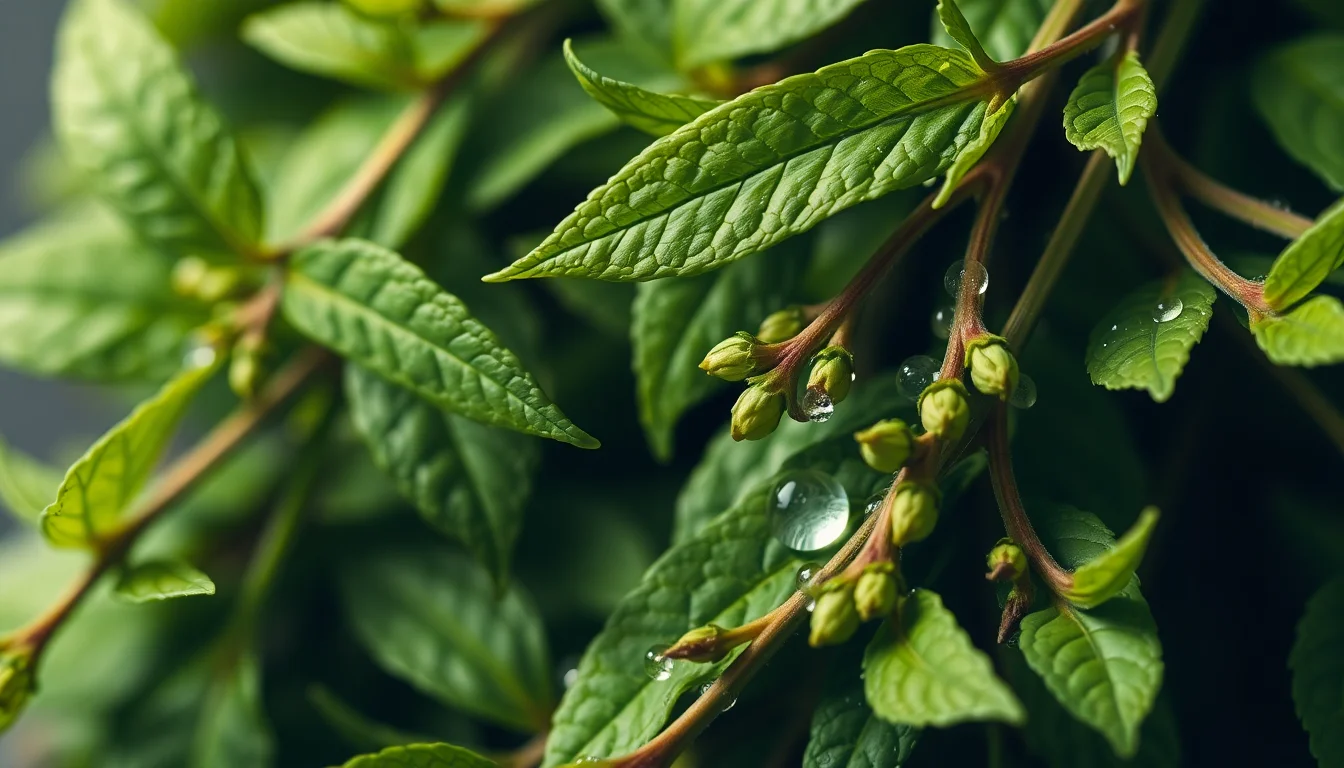
Persicaria odorata oil (CAS 444085-42-1) — Green Top to middle Note Fragrance Ingredient
Persicaria odorata oil
CAS 444085-42-1
What Is Persicaria odorata oil?
Persicaria odorata oil comes from the Vietnamese coriander plant, often used in Southeast Asian cuisine. You’ll encounter its fresh, herbal aroma in authentic pho broth and some herbal teas. This oil matters because it bridges culinary and perfumery worlds, offering a unique green-citrus character unlike common herbs.
Safety Profile
GENERALLY SAFEWhat Does Persicaria odorata oil Smell Like?
A vibrant burst of cilantro-like greenness meets tart lime peel, with subtle peppery undertones that emerge as the top notes fade. The heart reveals a surprising floralcy reminiscent of magnolia blossoms dipped in lemongrass oil. Dry-down carries a clean, almost soapy character with lingering citrus-rind bitterness that prevents it from becoming cloying.
In Famous Fragrances
Fragrance associations may not reflect actual formulations.
Used for its crisp green facet to create the illusion of crushed stems and leaves, complementing the mango accord with vegetal freshness.
Provides citrusy lift to magnolia heart, mimicking the natural citrus tones found in fresh magnolia blossoms.
Chemistry, Properties & Perfumer Guide
The Chemistry
The essential oil contains aldehydes like decanal and dodecanal alongside monoterpenes. These volatile compounds create its distinctive citrus-herbal character. Extraction typically involves steam distillation of fresh leaves, yielding about 0.2-0.5% oil. The aldehyde content makes it reactive in formulations, requiring careful handling to prevent oxidation.
Physical & Chemical Properties
| Appearance | Pale yellow liquid |
|---|---|
| Solubility | Soluble in alcohol, insoluble in water |
Perfumer Guide
| Application | Typical % | Range | Notes |
|---|---|---|---|
| Fine Fragrance | 0.5-2% | Up to 5% | Fresh top note accent |
| Functional Fragrance | 0.1-0.5% | Up to 1% | Herbal freshness booster |
Classic Accords
Tip: Stabilize with antioxidants when using above 1% to prevent aldehyde degradation.
Alternatives & Comparisons
Offers similar citrus-green notes but with stronger lemon character and less herbal depth.
Safety, Regulatory & Sustainability
⚠ Regulatory Disclaimer
General reference only. Consult current IFRA Standards Library before formulating.
IFRA Status
No specific restrictions under current IFRA standards.
RIFM Assessment
Considered safe at current usage levels based on RIFM’s botanical safety assessment.
Sustainability
Wild harvesting threatens natural populations. Sustainable cultivation programs in Vietnam now provide most commercial supply. Steam distillation requires significant plant material but uses renewable energy sources.
Explore Persicaria odorata oil
Browse essential oils and aroma compounds.
Browse on iHerb →Affiliate disclosure: we may earn a small commission at no extra cost to you.
References
- Le et al. (2015). Chemical composition of Persicaria odorata essential oil. Journal of Essential Oil Research.
Data: PubChem (NIH), PubMed, RIFM, IFRA. Last reviewed: Apr 2026.
Report a data errorRelated Research
- 2-Ethoxy-4-[(1-methylethoxy)methyl] phenol (CAS 96840-56-1) — Woody Middle to base Note Fragrance Ingredient
- Methyl phenylacetate (CAS 101-41-7) — Sweet Middle Note Fragrance Ingredient
- Clary sage absolute (CAS 8016-63-5) — Green Heart to base Note Fragrance Ingredient
- 2-Ethyl-5-methoxybicyclo[2.2.1]heptane (CAS 122795-41-9) — Woody Base Note Fragrance Ingredient



![Bicyclo[3.1.0]hexan-3-one, 4-methyl-1-(1-methylethyl)- (CAS 1125-12-8) — Green Middle Note Fragrance Ingredient](https://thegoodscents.company/wp-content/uploads/2026/04/bicyclo-3-1-0-hexan-3-one-4-methyl-1-1-1-768x439.webp)