Pennyroyal oil, Europe (CAS 8013-99-8) — Green Top Note Fragrance Ingredient
Pennyroyal oil, Europe
CAS 8013-99-8
What Is Pennyroyal oil, Europe?
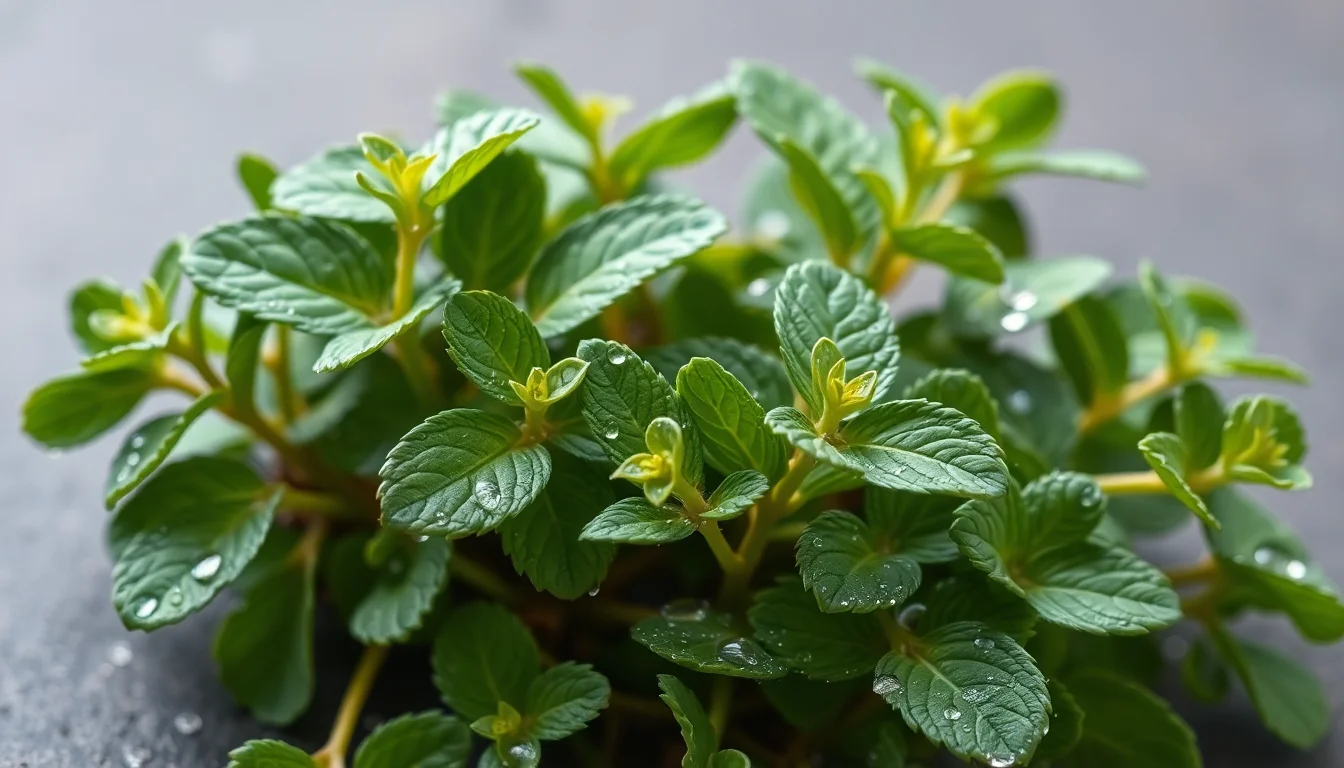
Pennyroyal oil is a highly aromatic essential oil derived from the pennyroyal plant, a member of the mint family. Historically used in folk medicine and as an insect repellent, it’s now primarily encountered in niche perfumery and aromatherapy. This oil matters because of its intense minty-herbal character, but also due to significant safety concerns that limit its widespread use.
Safety Profile
PROFESSIONAL USEWhat Does Pennyroyal oil, Europe Smell Like?
Pennyroyal oil delivers an aggressively minty, camphoraceous punch with sharp herbal undertones. The opening is intensely medicinal – like crushed mint leaves mixed with rubbing alcohol. As it dries, a bitter, almost rubbery phenolic quality emerges beneath the cooling menthol-like top notes. The dry-down retains a persistent, somewhat unpleasant medicinal character with faint earthy-mossy traces.
In Famous Fragrances
Fragrance associations may not reflect actual formulations.
Chemistry, Properties & Perfumer Guide
The Chemistry
Pennyroyal oil is chemically complex, containing high levels of pulegone (a monoterpene ketone) along with menthone, isomenthone, and limonene. Pulegone is responsible for both the characteristic minty odor and the oil’s toxicity. The oil is obtained through steam distillation of Mentha pulegium. Due to safety concerns, synthetic alternatives are now preferred when minty notes are required.
Physical & Chemical Properties
Perfumer Guide
| Application | Typical % | Range | Notes |
|---|---|---|---|
| Fine Fragrance | 0% | Banned | Not used due to safety concerns |
| Functional Products | 0% | Banned | Prohibited in most applications |
Classic Accords
Tip: Avoid completely – use safer mint alternatives like spearmint or peppermint oils.
Alternatives & Comparisons
Safer mint alternative with similar cooling properties but lower toxicity.
Safety, Regulatory & Sustainability
⚠ Regulatory Disclaimer
General reference only. Consult current IFRA Standards Library before formulating.
IFRA Status
Banned under IFRA standards due to pulegone content (Amendment 49).
GHS Classification
RIFM Assessment
RIFM recommends complete avoidance in consumer products due to hepatotoxicity.
Sustainability
While pennyroyal grows wild in Europe, commercial cultivation is limited due to safety regulations. The plant’s toxicity also raises ecological concerns about its impact on wildlife. Synthetic alternatives are more sustainable and safer options for achieving minty notes.
Explore Pennyroyal oil, Europe
Browse essential oils and aroma compounds.
Browse on iHerb →Affiliate disclosure: we may earn a small commission at no extra cost to you.
Ingredient Data Sheet
CAS 8013-99-8Odor & Flavor
| European pennyroyal essential oil is obtained by steam distillation of the fresh or partially dried plant (M. pulegium L.). It has a distinct, mint-like, pleasant odor and bitter, somewhat herbaceous flavor.📖 Fenaroli |
Regulatory Status
| IOFI Classification | Natural📖 Fenaroli |
Physical data: PubChem (NIH/NLM), U.S. EPA CompTox Dashboard, EPA OPERA models, RDKit. Odor & flavor: Arctander (Perfume & Flavor Chemicals), Fenaroli's Handbook of Flavor Ingredients, Leffingwell. Thresholds: van Gemert (Compilations of Odour Threshold Values). Regulatory: IFRA Standards 51st, FEMA GRAS. Trade names: Surburg (Common Fragrance & Flavor Materials). All data compiled and cross-referenced for perfumertools.com.
Related Research
- Tangerine oil (CAS 8016-85-1) — Citrus Top Note Fragrance Ingredient
- 3-Cyclohexene-1-methanol, -ethyl-2,4-dimethyl- (CAS 1632042-40-0) — Woody Middle Note Fragrance Ingredient
- p-Isopropylbenzyl alcohol (CAS 536-60-7) — Floral Middle Note Fragrance Ingredient
- p-Tolylacetaldehyde (CAS 0104-09-06) — Floral Top to Middle Note Fragrance Ingredient