Tangerine oil (CAS 8016-85-1) — Citrus Top Note Fragrance Ingredient
Tangerine oil
CAS 8016-85-1
What Is Tangerine oil?
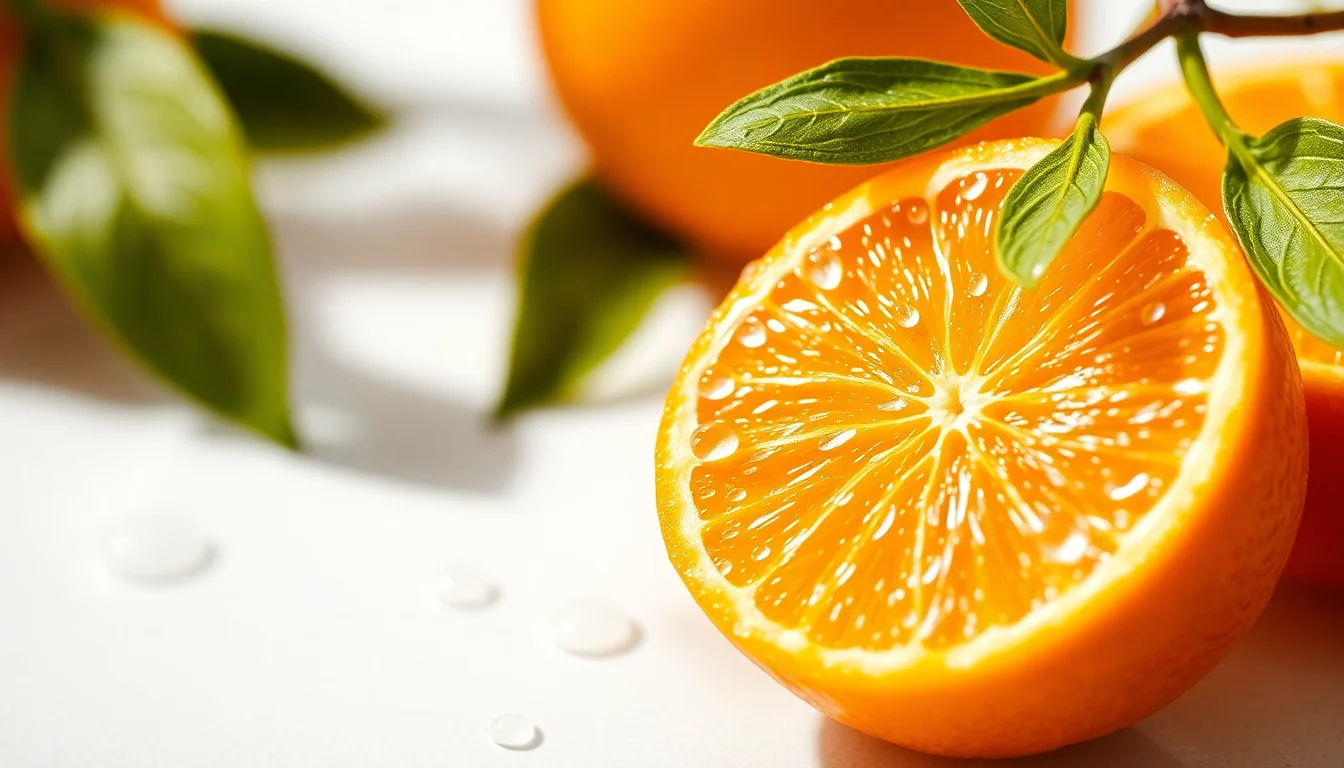
Tangerine oil is a bright, citrusy essential oil extracted from the peels of tangerine fruits. You’ll encounter it in fresh-scented cleaning products, uplifting perfumes, and aromatherapy blends. This oil matters because it delivers an instant burst of sunshine-like energy while being gentler than other citrus oils, making it popular in products for sensitive users and children’s items.
Safety Profile
GENERALLY SAFEWhat Does Tangerine oil Smell Like?
Tangerine oil bursts with a juicy, candy-like sweetness that’s brighter than orange yet softer than lemon. The initial spray is all sunshine – think of peeling a ripe tangerine with that first spritz of citrus oils hitting the air. Unlike sharper citrus notes, it carries a round, almost honeyed quality in its heart. As it dries down, subtle green nuances emerge like the white pith beneath the peel, blending with a whisper of floral character that keeps it from being one-dimensional. The dry-down leaves a clean, slightly powdery residue reminiscent of childhood fruit candies.
In Famous Fragrances
Fragrance associations may not reflect actual formulations.
Tangerine oil provides the sparkling opening here, blending with bitter orange to create a citrus bouquet that’s both sophisticated and playful. Its natural sweetness balances the herbal juniper notes.
Used as the primary citrus note to create an Italian summer vibe. The tangerine’s brightness cuts through the aquatic base, preventing the fragrance from becoming too heavy.
Chemistry, Properties & Perfumer Guide
The Chemistry
Tangerine oil is a complex mixture of volatile compounds primarily containing limonene (70-90%), along with γ-terpinene, myrcene, α-pinene, and citral. The oil is obtained through cold pressing of the fruit peels, preserving the delicate top notes that would be destroyed by steam distillation. Unlike some citrus oils, tangerine contains higher levels of methyl N-methylanthranilate, contributing to its distinctive candy-like character. The exact composition varies based on fruit ripeness and growing conditions, with winter-harvested fruits typically producing sweeter, more complex oils.
Physical & Chemical Properties
| Appearance | Yellow to orange mobile liquid |
|---|---|
| Boiling Point | 175-178 °C (main components) |
| Flash Point | 48 °C |
| Density | 0.84-0.85 g/cm³ |
| Refractive Index | 1.473-1.477 |
Key Constituent Properties
| Constituent | CAS | MW | BP °C | XLogP | Vapor P. |
|---|---|---|---|---|---|
| Limonene | 138-86-3 | 136.23 | 175 | 4.2 | 1.5 mmHg |
| γ-Terpinene | 99-85-4 | 136.23 | 183 | 4.2 | 1.3 mmHg |
Perfumer Guide
| Application | Typical % | Range | Notes |
|---|---|---|---|
| Fine Fragrance | 1-5% | Up to 10% | Used for fresh openings |
| Household Cleaners | 0.5-2% | Up to 5% | Provides fresh scent without harshness |
Classic Accords
Tip: Stabilize with 0.1% BHT or vitamin E to prevent oxidation of terpenes.
Alternatives & Comparisons
Slightly sweeter and less intense, preferred for more delicate compositions or when blending with floral notes.
More affordable but lacks the complexity and sweetness of tangerine, suitable for mass-market products.
Safety, Regulatory & Sustainability
⚠ Regulatory Disclaimer
General reference only. Consult current IFRA Standards Library before formulating.
IFRA Status
Not restricted under IFRA standards, but subject to general citrus oil guidelines regarding phototoxicity.
EU Allergen Declaration
Contains limonene which must be declared when present above 0.1% in leave-on products.
GHS Classification
RIFM Assessment
RIFM assessment confirms safe use at current industry levels, with phototoxicity warnings.
Sustainability
Tangerine oil is a byproduct of juice production, making it highly sustainable. Most commercial production comes from Brazil and the Mediterranean. Cold-pressed oil has lower carbon footprint than distilled citrus oils. Synthetic alternatives exist but lack the full spectrum of natural components. Organic certification is available but increases cost significantly.
Explore Tangerine oil
Browse essential oils and aroma compounds.
Browse on iHerb →Affiliate disclosure: we may earn a small commission at no extra cost to you.
References
- Dugo, G., & Di Giacomo, A. (2002). Citrus: The Genus Citrus. CRC Press. ISBN 9780415284916
- PubChem Compound Summary for Limonene CID 22311
Data: PubChem (NIH), PubMed, RIFM, IFRA. Last reviewed: Apr 2026.
Report a data errorIngredient Data Sheet
CAS 8016-85-1Odor & Flavor
| The oil is obtained by expression of the peels of the ripe fruit of the Dancy tangerine and from some other closely related varieties. It has a pleasant, orange-like odor.📖 Fenaroli |
Regulatory Status
| IOFI Classification | Natural📖 Fenaroli |
Physical data: PubChem (NIH/NLM), U.S. EPA CompTox Dashboard, EPA OPERA models, RDKit. Odor & flavor: Arctander (Perfume & Flavor Chemicals), Fenaroli's Handbook of Flavor Ingredients, Leffingwell. Thresholds: van Gemert (Compilations of Odour Threshold Values). Regulatory: IFRA Standards 51st, FEMA GRAS. Trade names: Surburg (Common Fragrance & Flavor Materials). All data compiled and cross-referenced for perfumertools.com.
Related Research
- Ionone (CAS 8013-90-9) — violet heart Note Fragrance Ingredient
- 1-Naphthalenesulfonic acid, 3-[(2,4-dimethyl-5-sulfophenyl)azo]-4-hydroxy-, disodium salt (CAS 4548-53-2) — Citrus N/A Note Fragrance Ingredient
- 3,6-Dihydro-2,4-dimethyl-6-phenyl-2H-pyran (CAS 68039-40-7) — Woody Middle to base Note Fragrance Ingredient
- Cyclohexane, 2-ethoxy-1,3-dimethyl- (CAS 286472-48-8) — Woody Middle Note Fragrance Ingredient