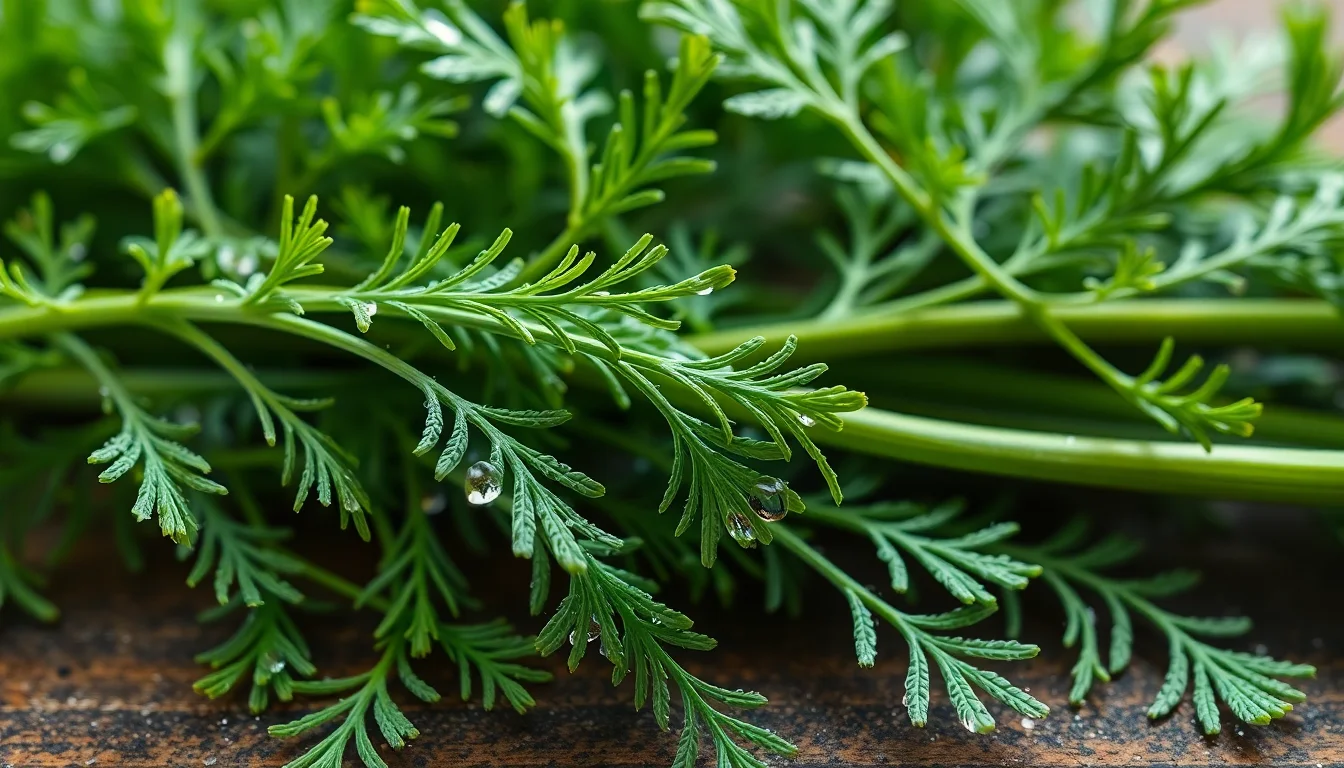
Fennel bitter CO2 extract (CAS 8006-84-6) — Green Middle to base Note Fragrance Ingredient
Fennel bitter CO2 extract
CAS 8006-84-6
What Is Fennel bitter CO2 extract?
Fennel bitter CO2 extract is a concentrated aromatic substance obtained from fennel seeds using supercritical carbon dioxide extraction. You’ll encounter its distinctive licorice-like aroma in herbal liqueurs, natural cough syrups, and some Mediterranean-inspired perfumes. This extract matters because it delivers fennel’s complex flavor profile without the harshness of steam-distilled oils, making it valuable for both food and fragrance applications where a smoother, more nuanced anise character is desired.
Safety Profile
USE WITH AWARENESSWhat Does Fennel bitter CO2 extract Smell Like?
The CO2 extraction process captures fennel’s full spectrum: initial bursts of sweet anise and warm licorice give way to a greener, almost celery-like heart. Unlike steam-distilled versions, this retains bitter phenolic undertones that add sophistication. The dry-down reveals a peppery warmth reminiscent of star anise, with a lingering herbaceous quality that stays close to the skin. When diluted, it develops a honeyed sweetness that balances its inherent bitterness, creating a dynamic aroma that evolves beautifully in both edible and fragrance applications.
In Famous Fragrances
Fragrance associations may not reflect actual formulations.
Uses fennel CO2 for its authentic bitter-herbal facet in this avant-garde interpretation of the infamous spirit, providing a realistic absinthe accord that avoids being cloyingly sweet.
Incorporates the extract to amplify the metallic-rustic quality of its heart, where fennel’s bitterness contrasts with orange blossom in a surprising yet harmonious juxtaposition.
Showcases fennel CO2’s full spectrum from fresh green top notes to deep herbal base, creating a photorealistic absinthe illusion without actual wormwood.
Chemistry, Properties & Perfumer Guide
The Chemistry
Fennel bitter CO2 extract contains a complex mixture of phenylpropanoids including trans-anethole (50-70%), estragole (10-30%), and fenchone (5-15%). The supercritical CO2 process selectively extracts these aromatic compounds along with valuable non-volatile constituents like fixed oils and waxes that modify the odor profile. Unlike steam distillation, this method preserves heat-sensitive components and results in a more complete representation of the plant’s chemistry. The extract’s bitterness comes from phenolic compounds and sesquiterpene lactones that would normally be lost during traditional extraction methods.
Physical & Chemical Properties
| Appearance | Viscous greenish-yellow liquid |
|---|---|
| Solubility | Soluble in ethanol, oils; slightly soluble in water |
Key Constituent Properties
| Constituent | CAS | MW | BP °C | XLogP | Vapor P. |
|---|---|---|---|---|---|
| trans-Anethole | 104-46-1 | 148.20 | 234 °C | 2.9 | 0.01 mmHg |
| Estragole | 140-67-0 | 148.20 | 216 °C | 3.1 | 0.17 mmHg |
Perfumer Guide
| Application | Typical % | Range | Notes |
|---|---|---|---|
| Fine Fragrance | 0.5-2% | Up to 5% | Adds herbal complexity to fougères and oriental bases |
| Functional Products | 0.1-0.5% | Up to 1% | Used in mouthwashes and dental products for fresh-bitter notes |
Classic Accords
Tip: Combine with citrus oils to brighten its bitter facets, or pair with vanillin to create a more approachable licorice effect.
Alternatives & Comparisons
For sweeter licorice profiles without the bitter green notes, though lacks fennel’s complexity. Better suited for gourmand applications.
Safety, Regulatory & Sustainability
⚠ Regulatory Disclaimer
General reference only. Consult current IFRA Standards Library before formulating.
IFRA Status
No IFRA restrictions, but contains estragole which is limited under Amendment 49 (max 0.01% in leave-on products).
EU Allergen Declaration
Contains estragole (methyl chavicol) which must be declared above 0.01% in leave-on products.
GHS Classification
RIFM Assessment
RIFM assessment completed for estragole content; safe at current use levels in fragrances.
Sustainability
CO2 extraction is more environmentally friendly than solvent methods, using recyclable CO2 and requiring less energy than steam distillation. Most fennel is cultivated without intensive pesticide use. The process yields more material per plant than distillation, reducing agricultural footprint. However, estragole content raises some sustainability concerns due to its classification as a possible carcinogen.
Explore Fennel bitter CO2 extract
Browse essential oils and aroma compounds.
Browse on iHerb →Affiliate disclosure: we may earn a small commission at no extra cost to you.
References
- Council of Europe (2016). Foeniculum vulgare extract. European Pharmacopoeia 9.0. EDQM Monograph
Data: PubChem (NIH), PubMed, RIFM, IFRA. Last reviewed: Apr 2026.
Report a data error

![[2,2-Bis[(3,7-dimethyl-2,6-octadienyl)oxy]ethyl]benzene (CAS 67634-02-0) — Woody Base Note Fragrance Ingredient](https://thegoodscents.company/wp-content/uploads/2026/04/2-2-bis-1-1-768x439.webp)