Basil absolute, chemotype estragole (CAS 8015-73-4) — Green Top to middle Note Fragrance Ingredient
Basil absolute, chemotype estragole
CAS 8015-73-4
What Is Basil absolute, chemotype estragole?
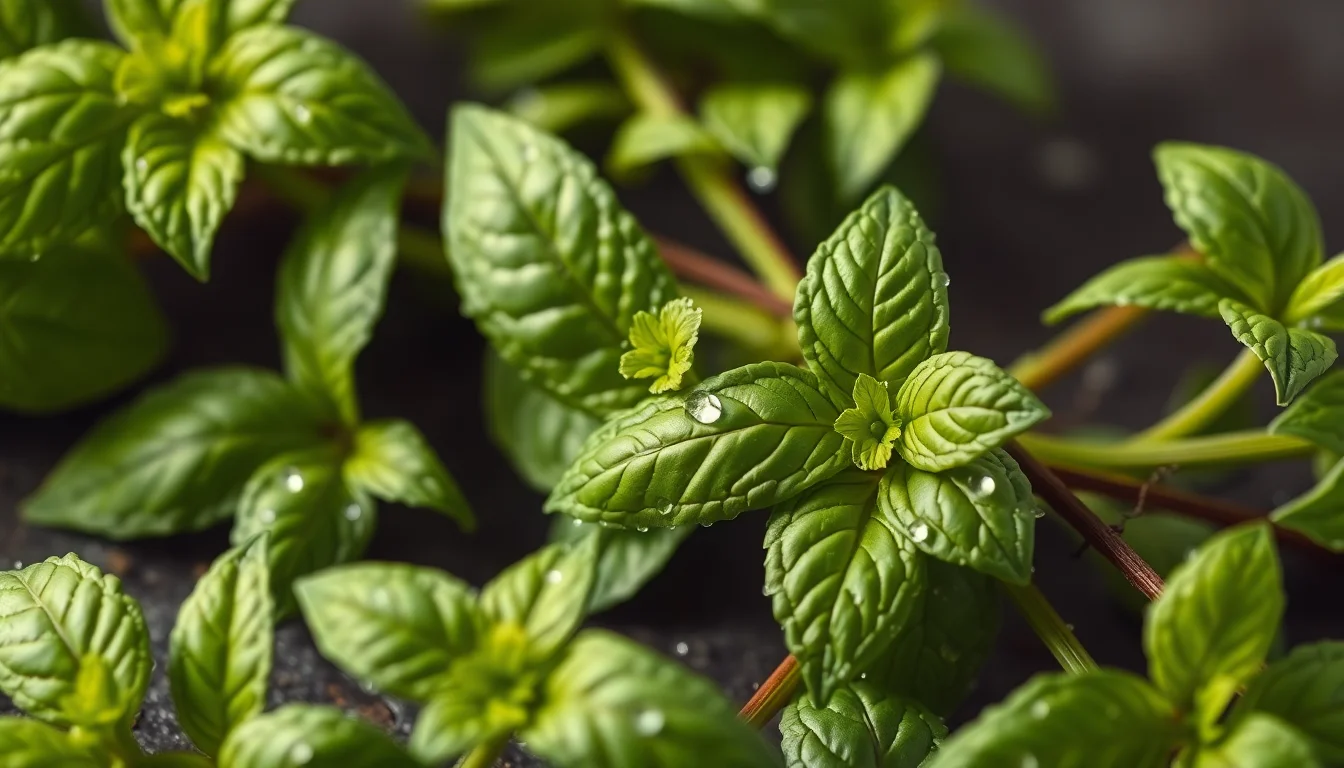
Basil absolute, specifically the estragole chemotype, is a highly aromatic extract derived from sweet basil leaves. People encounter it in Mediterranean cuisine, herbal teas, and perfumes with green or spicy profiles. This ingredient matters because it delivers an intense, fresh-herbal character that can’t be replicated by synthetic alternatives, making it prized by perfumers for creating vibrant top notes.
Safety Profile
USE WITH AWARENESSWhat Does Basil absolute, chemotype estragole Smell Like?
Basil absolute (estragole type) bursts with an electrifying green freshness – imagine crushing just-picked basil leaves between your fingers with a hint of anise-like sweetness. The top note is intensely herbaceous, almost camphoraceous, evolving into a warmer, spicier heart with clove-like undertones. Dry-down reveals a subtle woody-anisic base that lingers close to the skin. Unlike common basil oils, the estragole dominance gives it a sharper, more medicinal edge that cuts through compositions.
In Famous Fragrances
Fragrance associations may not reflect actual formulations.
Used for its hyper-realistic crushed basil leaves effect, creating the illusion of a sun-warmed herb garden. The estragole chemotype provides longer-lasting greenness than regular basil.
The estragole-rich basil absolute contrasts with sweet neroli, forming a modern cologne structure where the basil’s sharpness prevents the citrus from becoming too candied.
Chemistry, Properties & Perfumer Guide
The Chemistry
Basil absolute is a complex mixture where estragole (methyl chavicol) dominates the estragole chemotype, typically comprising 60-80% of the composition. This phenylpropene derivative is biosynthesized from phenylalanine via the shikimate pathway. The absolute is obtained through solvent extraction of Ocimum basilicum leaves, concentrating both volatile and non-volatile compounds. Unlike steam-distilled basil oil, the absolute retains heavier molecules that modify estragole’s sharpness with rounded green facets.
Physical & Chemical Properties
| Appearance | Dark green viscous liquid |
|---|---|
| Solubility | Soluble in alcohol, insoluble in water |
Perfumer Guide
| Application | Typical % | Range | Notes |
|---|---|---|---|
| Fine Fragrance | 0.5-2% | Up to 5% | IFRA restricts estragole content |
| Functional Fragrance | 0.1-0.5% | Up to 1% | Masked by other ingredients |
Classic Accords
Tip: Balance estragole’s sharpness with rounder materials like linalool or coumarin to prevent discordance.
Alternatives & Comparisons
Softer, less medicinal profile preferred when estragole restrictions apply or when blending with delicate florals.
Safety, Regulatory & Sustainability
⚠ Regulatory Disclaimer
General reference only. Consult current IFRA Standards Library before formulating.
IFRA Status
Restricted under IFRA 49 for estragole content (0.01% in leave-on, 0.1% in rinse-off). Absolute requires calculation of estragole contribution.
EU Allergen Declaration
None (estragole not listed under EU allergen regulation)
GHS Classification
RIFM Assessment
RIFM assessment concluded safe use at current IFRA limits, with estragole as the critical component requiring restriction.
Sustainability
Basil is widely cultivated with multiple annual harvests, making it relatively sustainable. However, solvent extraction for absolutes has higher environmental impact than steam distillation. Some producers now use supercritical CO2 extraction as a greener alternative. Synthetic estragole can reduce agricultural demands but lacks the complexity of natural extracts.
Explore Basil absolute, chemotype estragole
Browse essential oils and aroma compounds.
Browse on iHerb →Affiliate disclosure: we may earn a small commission at no extra cost to you.
References
- IFRA (2021). Standards Restriction 49 – Estragole. IFRA Standards
Data: PubChem (NIH), PubMed, RIFM, IFRA. Last reviewed: Apr 2026.
Report a data error