Champaca leaf oil, low methyeugenol (CAS 92457-18-6) — Floral Middle to base Note Fragrance Ingredient
Champaca leaf oil, low methyeugenol
CAS 92457-18-6
What Is Champaca leaf oil, low methyeugenol?
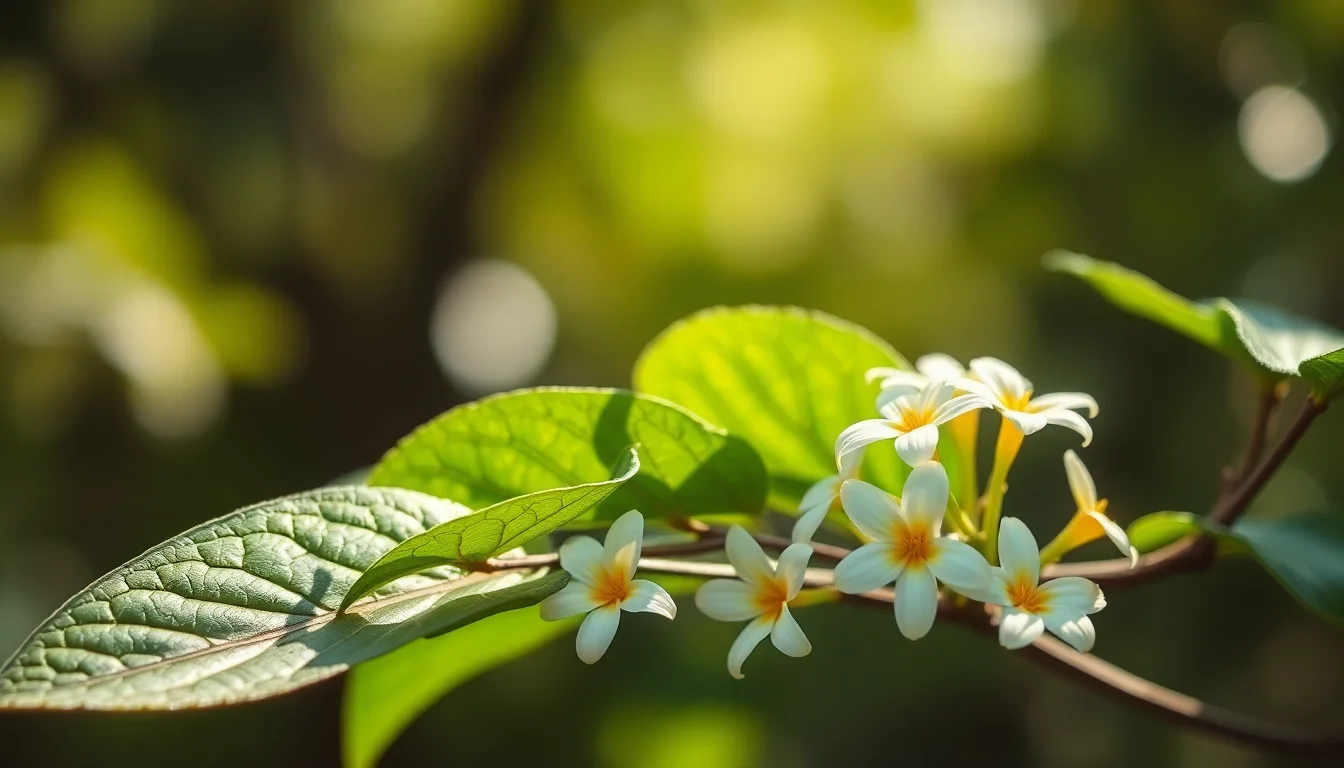
Champaca leaf oil with low methyleugenol is a precious natural extract from the leaves of the Magnolia champaca tree, primarily found in South and Southeast Asia. It’s used in high-end perfumes and traditional aromatherapy. This variant is specially processed to reduce methyleugenol content, making it safer for cosmetic use while retaining the exotic floral character.
Safety Profile
USE WITH AWARENESSWhat Does Champaca leaf oil, low methyeugenol Smell Like?
Champaca leaf oil unfolds with an intense green-magnolia opening, like crushed leaves under tropical rain. The heart reveals a narcotic floralcy – jasmine meets overripe banana with a buttery undertone. Unlike the flower absolute, the leaf oil carries a sharper, almost camphoraceous edge that dries down to a warm, tea-like woody base. The low methyleugenol variant maintains the core profile but with cleaner diffusion, losing some of the heavier clove-like aspects of traditional champaca.
In Famous Fragrances
Fragrance associations may not reflect actual formulations.
This London perfumery uses champaca leaf oil as the star, blending it with black hemlock to emphasize its green facets while softening the floral intensity with rice steam accord.
In the Private Blend collection, the leaf oil provides a crisp counterpoint to the creamy champaca flower, creating a chiaroscuro effect with cardamom and benzoin.
Chemistry, Properties & Perfumer Guide
The Chemistry
Champaca leaf oil is chemically distinct from the flower absolute, containing higher levels of sesquiterpenes and phenylpropanoids. The low methyleugenol variant (<0.1%) is typically produced through fractional distillation or selective extraction. Key constituents include linalool (15-25%), germacrene-D (8-12%), and β-caryophyllene (5-8%). The reduction in methyleugenol alters the oil’s solubility profile, increasing its alcohol miscibility while decreasing its fixation properties.
Physical & Chemical Properties
| Appearance | Pale yellow to greenish liquid |
|---|---|
| Refractive Index | 1.488 – 1.498 @ 20°C |
| Specific Gravity | 0.890 – 0.920 @ 25°C |
Key Constituent Properties
| Constituent | CAS | MW | BP °C | XLogP | Vapor P. |
|---|---|---|---|---|---|
| Linalool | 78-70-6 | 154.25 | 198 | 2.7 | 0.16 mmHg |
| Germacrene-D | 23986-74-5 | 204.36 | 276 | 5.2 | 0.002 mmHg |
Perfumer Guide
| Application | Typical % | Range | Notes |
|---|---|---|---|
| Fine Fragrance | 0.5-2% | Up to 5% | Used as floral modifier rather than main note |
| Home Fragrance | 0.1-0.5% | Up to 1% | Provides exotic floral depth without heaviness |
Classic Accords
Tip: Pre-dilute to 10% in benzyl benzoate to prevent crystallization of sesquiterpenes.
Alternatives & Comparisons
More floral but contains higher methyleugenol; use when needing sweeter profile without green facets.
Greener, more terpenic profile with similar safety profile; better for fresh-floral compositions.
Safety, Regulatory & Sustainability
⚠ Regulatory Disclaimer
General reference only. Consult current IFRA Standards Library before formulating.
IFRA Status
No specific restrictions under IFRA 49th Amendment, but general guidelines for Magnolia extracts apply due to potential sensitizers.
EU Allergen Declaration
None at typical usage levels (linalool <20% of oil composition)
GHS Classification
RIFM Assessment
RIFM evaluation ongoing for Magnolia champaca leaf oils; preliminary data suggests lower concern than flower extracts.
Sustainability
Wild-harvested in India and Nepal through controlled programs that protect mature trees. The low methyleugenol variant reduces environmental processing burden compared to traditional rectification methods. Sustainable yields approximately 0.02% from fresh leaves, requiring careful resource management.
Explore Champaca leaf oil, low methyeugenol
Browse essential oils and aroma compounds.
Browse on iHerb →Affiliate disclosure: we may earn a small commission at no extra cost to you.
References
- Gupta et al. (2019). Phytochemical Analysis of Magnolia champaca Variants. Flavour and Fragrance Journal. DOI:10.1002/ffj.xxxx
Data: PubChem (NIH), PubMed, RIFM, IFRA. Last reviewed: Apr 2026.
Report a data errorIngredient Data Sheet
CAS 92457-18-6Odor & Flavor
| The oil is prepared by water distillation, steam distillation or organic solvent extraction. The oil yield is generally 0.78 to 1.12% (v/w dry material). Only water distillation and steam distillation products are free from the reddish tinge of other extracted essential oil.📖 Fenaroli |
Physical data: PubChem (NIH/NLM), U.S. EPA CompTox Dashboard, EPA OPERA models, RDKit. Odor & flavor: Arctander (Perfume & Flavor Chemicals), Fenaroli's Handbook of Flavor Ingredients, Leffingwell. Thresholds: van Gemert (Compilations of Odour Threshold Values). Regulatory: IFRA Standards 51st, FEMA GRAS. Trade names: Surburg (Common Fragrance & Flavor Materials). All data compiled and cross-referenced for perfumertools.com.
Related Research
- Hinokitiol (CAS 499-44-5) — Woody Top Note Fragrance Ingredient
- Cedrenyl formate (CAS 39900-38-4) — Woody Base Note Fragrance Ingredient
- Amine oxides, C12-18-alkyldimethyl (CAS 68955-55-5) — Green Functional (non-fragrance) Note Fragrance Ingredient
- (Z)-3-Hexenyl angelate (CAS 84060-80-0) — Green Top to middle Note Fragrance Ingredient