Buxus sempervirens absolute (CAS 84012-17-9) — Green Heart to base Note Fragrance Ingredient
Buxus sempervirens absolute
CAS 84012-17-9
What Is Buxus sempervirens absolute?
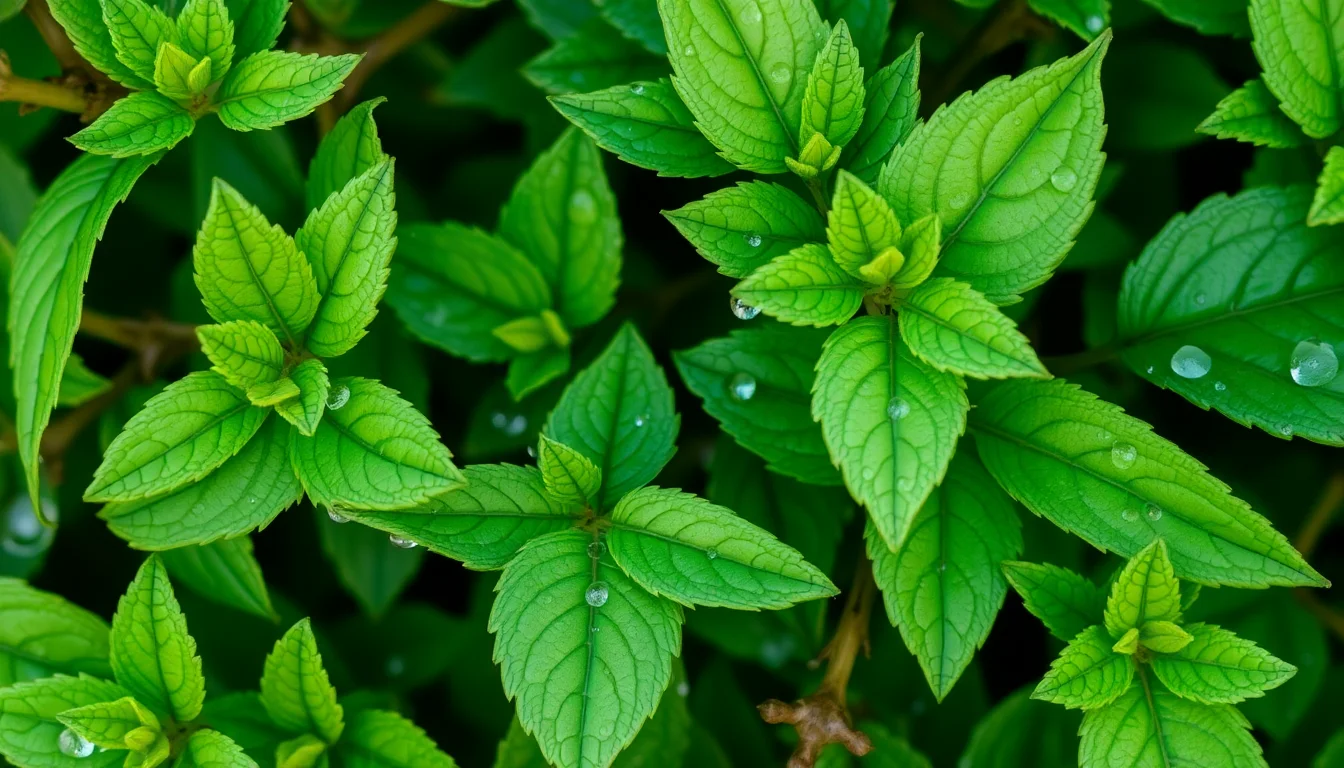
Buxus sempervirens absolute, commonly known as boxwood absolute, is derived from the leaves and wood of the boxwood shrub. It’s encountered in niche perfumery and botanical fragrance products. This rare material offers a distinctive green-leathery scent profile that evokes formal gardens and antique wood surfaces.
Safety Profile
USE WITH AWARENESSWhat Does Buxus sempervirens absolute Smell Like?
Buxus absolute opens with an intense green burst reminiscent of crushed boxwood leaves – sharp, slightly bitter, and vegetal with hints of blackcurrant bud. The heart reveals a fascinating leathery depth, like well-worn antique books bound in aged leather. Dry-down brings forward a dry woody character with subtle animalic undertones, evoking the polished wood of centuries-old furniture. The scent maintains remarkable tenacity for a natural material, slowly transforming from bright green to warm woody over several hours.
In Famous Fragrances
Fragrance associations may not reflect actual formulations.
Features boxwood absolute as the star material to recreate the scent of formal English gardens, paired with galbanum and moss for maximum green intensity.
Uses boxwood’s leathery facets to create an unconventional leather fragrance, blended with osmanthus and styrax for a supple, botanical leather effect.
Employs boxwood absolute in its green herbal accord to create a sophisticated garden scent, combined with tomato leaf and basil.
Uses boxwood’s dry facets in the woody-spicy base, contributing to the fragrance’s distinctive pencil shavings character alongside cedar and juniper.
Features boxwood in a fresh-wet interpretation, combining it with coriander and cardamom to create a rain-drenched garden effect.
Chemistry, Properties & Perfumer Guide
The Chemistry
Buxus sempervirens absolute is obtained through solvent extraction of the leaves and wood of the common boxwood shrub. The complex composition includes various terpenoids and phenolic compounds that contribute to its distinctive scent. Key constituents include buxenine alkaloids, which may contribute to the leathery aspects, alongside monoterpenes like limonene and pinene that provide fresh green facets. The absolute typically contains trace amounts of volatile sulfur compounds that enhance its naturalistic character. Unlike many florals, boxwood absolute retains much of the plant’s original structural chemistry due to the extraction process preserving heavier molecules.
Physical & Chemical Properties
| Appearance | Dark green to brown viscous liquid |
|---|---|
| Solubility | Soluble in alcohol, partially soluble in oil |
Perfumer Guide
| Application | Typical % | Range | Notes |
|---|---|---|---|
| Fine Fragrance | 0.1-0.5% | Up to 1% | Used as green-leathery modifier |
| Home Fragrance | 0.05-0.2% | Up to 0.5% | Adds botanical sophistication |
| Personal Care | 0.01-0.1% | Up to 0.2% | Use cautiously due to potential sensitivity |
Classic Accords
Tip: Use boxwood absolute to add naturalistic green depth to leather bases without synthetic pyrazines.
Alternatives & Comparisons
Offers similar green intensity but without the leathery aspects, better for purely vegetal compositions.
Provides comparable leathery facets but warmer and sweeter, lacking boxwood’s distinctive green character.
Shares some green-cassis aspects but fruitier and without the woody-leather drydown.
Safety, Regulatory & Sustainability
⚠ Regulatory Disclaimer
General reference only. Consult current IFRA Standards Library before formulating.
IFRA Status
No specific IFRA restrictions. General guidelines for natural products apply.
EU Allergen Declaration
None declared under EU Cosmetics Regulation.
RIFM Assessment
Not currently assessed by RIFM. Considered safe at current usage levels based on historical use.
Sustainability
Boxwood absolute is sustainably harvested from cultivated plants, primarily in France and Morocco. The slow-growing nature of boxwood shrubs (Buxus sempervirens) requires careful management to prevent overharvesting. Some producers practice leaf-only harvesting to preserve plants. Synthetic alternatives aren’t widely available due to the complexity of the natural material’s scent profile. The solvent extraction process is energy-intensive but yields a highly concentrated material requiring minimal quantities in formulations.
Explore Buxus sempervirens absolute
Browse essential oils and aroma compounds.
Browse on iHerb →Affiliate disclosure: we may earn a small commission at no extra cost to you.
References
- Arctander, S. (1960). Perfume and Flavor Materials of Natural Origin.
- Fenaroli’s Handbook of Flavor Ingredients, 6th Edition
- International Journal of Cosmetic Science (2013) Vol 35, Issue 2
Data: PubChem (NIH), PubMed, RIFM, IFRA. Last reviewed: Apr 2026.
Report a data errorIngredient Data Sheet
CAS 84012-17-9Physical data: PubChem (NIH/NLM), U.S. EPA CompTox Dashboard, EPA OPERA models, RDKit. Odor & flavor: Arctander (Perfume & Flavor Chemicals), Fenaroli's Handbook of Flavor Ingredients, Leffingwell. Thresholds: van Gemert (Compilations of Odour Threshold Values). Regulatory: IFRA Standards 51st, FEMA GRAS. Trade names: Surburg (Common Fragrance & Flavor Materials). All data compiled and cross-referenced for perfumertools.com.
Related Research
- (E,Z)-2,6-Nonadien-1-ol acetate (CAS 68555-65-7) — Green Top to middle Note Fragrance Ingredient
- Molasses (CAS 68476-78-8) — Sweet Base Note Fragrance Ingredient
- Benzoic acid, 2-[[[3-(4-hydroxy-4-methylpentyl)-3-cyclohexen-1-yl]methylene]amino],methyl ester (CAS 68039-34-9) — Woody Middle to base Note Fragrance Ingredient
- Cyclopentaneacetonitrile, 2,4,4-trimethyl--methylene- (CAS 1266606-13-6) — Citrus Unknown Note Fragrance Ingredient