Cedar leaf oil (CAS 8007-20-3) — Green Top to middle Note Fragrance Ingredient
Cedar leaf oil
CAS 8007-20-3
What Is Cedar leaf oil?
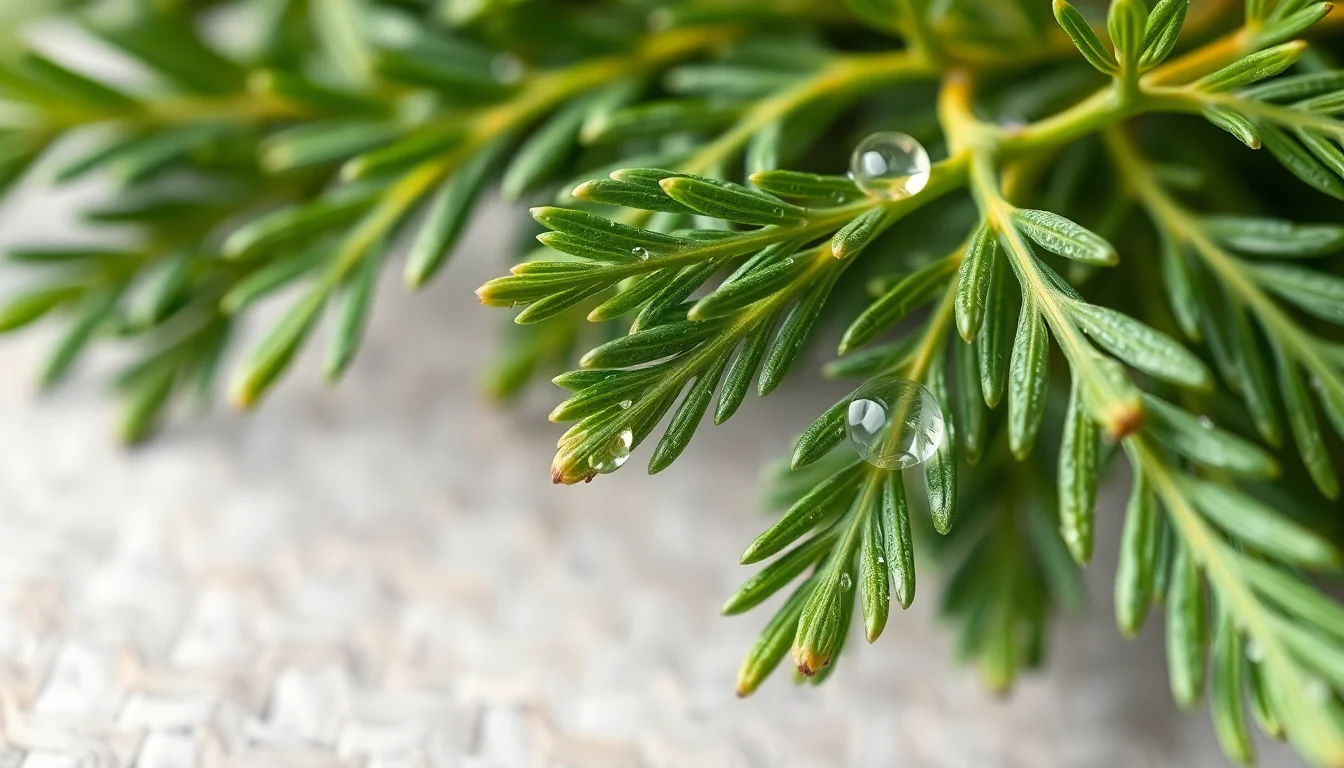
Cedar leaf oil is extracted from the foliage of cedar trees, commonly encountered in aromatherapy products, natural insect repellents, and masculine fragrances. Its crisp, woody aroma evokes forest walks and alpine freshness. This oil matters because it provides a natural, sustainable alternative to synthetic woody notes while offering therapeutic benefits like stress relief and air purification.
Safety Profile
GENERALLY SAFEWhat Does Cedar leaf oil Smell Like?
Cedar leaf oil bursts with an intensely green, camphoraceous top note reminiscent of crushed pine needles and fresh lumber. The heart develops into a drier, pencil-shaving woodiness with subtle citrus undertones. As it dries down, reveals a clean, almost minty freshness over a base of enduring woody warmth. Unlike cedarwood oils from the heartwood, this maintains a brighter, more herbaceous character throughout its evolution.
In Famous Fragrances
Fragrance associations may not reflect actual formulations.
Used for its crisp, aromatic quality that contrasts with the deeper heartwood notes, creating a multidimensional cedar effect.
Provides the sharp green facets that balance the flinty mineral notes, enhancing the fragrance’s earthy sophistication.
Chemistry, Properties & Perfumer Guide
The Chemistry
Cedar leaf oil primarily contains thujone isomers (α- and β-thujone), fenchone, and camphor as key constituents. These monoterpene ketones contribute to its distinctive medicinal-green aroma profile. The oil is steam-distilled from foliage of Thuja species (often T. occidentalis), with composition varying by geographic origin. Unlike cedarwood oils from Juniperus or Cedrus species, the leaf oil contains higher concentrations of oxygenated compounds rather than sesquiterpenes.
Physical & Chemical Properties
| Appearance | Clear pale yellow liquid |
|---|---|
| Boiling Point | 160-220 °C (range) |
| Density | 0.910-0.925 g/cm³ |
| Refractive Index | 1.456-1.459 |
Key Constituent Properties
| Constituent | CAS | MW | BP °C | XLogP | Vapor P. |
|---|---|---|---|---|---|
| α-Thujone | 546-80-5 | 152.23 | 201 °C | 2.5 | 0.15 mmHg |
| β-Thujone | 471-15-8 | 152.23 | 201 °C | 2.5 | 0.15 mmHg |
Perfumer Guide
| Application | Typical % | Range | Notes |
|---|---|---|---|
| Fine Fragrance | 0.5-2% | Up to 5% | Provides crisp woody-green accents |
| Functional Products | 0.1-0.5% | Up to 1% | Air fresheners, cleaning products |
Classic Accords
Tip: Use in trace amounts with citrus top notes to prevent overpowering delicate florals.
Alternatives & Comparisons
For deeper, sweeter wood notes without the camphoraceous edge when a softer cedar character is desired.
Synthetic alternative that captures some of the piney freshness without thujone content for regulatory flexibility.
Safety, Regulatory & Sustainability
⚠ Regulatory Disclaimer
General reference only. Consult current IFRA Standards Library before formulating.
IFRA Status
No IFRA restrictions. Thujone content monitored under food regulations but permitted in fragrances.
EU Allergen Declaration
None required
GHS Classification
RIFM Assessment
RIFM assessment confirms safe use at current industry levels with recommended dermal limits.
Sustainability
Sustainably harvested from cultivated cedar stands in North America. Steam distillation process has low environmental impact. Increasingly replaced by fractionated/reconstituted versions to reduce thujone content while maintaining olfactory profile.
Explore Cedar leaf oil
Browse essential oils and aroma compounds.
Browse on iHerb →Affiliate disclosure: we may earn a small commission at no extra cost to you.
References
- Tisserand, R. & Young, R. (2014). Essential Oil Safety. Elsevier. ISBN 9780443062414
- PubChem Compound Summary for Thujone CID 261491
Data: PubChem (NIH), PubMed, RIFM, IFRA. Last reviewed: Apr 2026.
Report a data errorIngredient Data Sheet
CAS 8007-20-3Odor & Flavor
| The volatile oil obtained by steam distillation from the fresh leaves and branches of at least 15-year-old plants. It has a strong, camphoraceous odor reminiscent of sage and a similar taste.📖 Fenaroli |
Regulatory Status
| IOFI Classification | Natural📖 Fenaroli |
Physical data: PubChem (NIH/NLM), U.S. EPA CompTox Dashboard, EPA OPERA models, RDKit. Odor & flavor: Arctander (Perfume & Flavor Chemicals), Fenaroli's Handbook of Flavor Ingredients, Leffingwell. Thresholds: van Gemert (Compilations of Odour Threshold Values). Regulatory: IFRA Standards 51st, FEMA GRAS. Trade names: Surburg (Common Fragrance & Flavor Materials). All data compiled and cross-referenced for perfumertools.com.
Related Research
- 2-Furfuryleneoctanal (CAS 67801-17-6) — Woody Base Note Fragrance Ingredient
- Violet Leaf Absolute (CAS 8024-08-06) — Green Heart Note Fragrance Ingredient
- Methylallyl isobutyrate (CAS 816-73-9) — Sweet Top Note Fragrance Ingredient
- Cassie absolute (CAS 8023-82-3) — Floral Heart Note Fragrance Ingredient