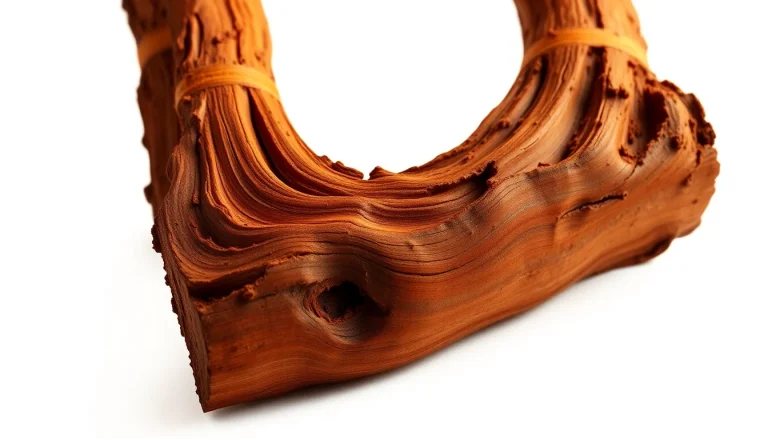
Cedarwood oil, oxidized (CAS 68916-71-2) — Woody Base Note Fragrance Ingredient
Cedarwood oil, oxidized
CAS 68916-71-2
What Is Cedarwood oil, oxidized?
Oxidized cedarwood oil is a modified version of traditional cedarwood essential oil, commonly used in woody and masculine fragrances. You’ll encounter it in aftershaves, colognes, and home fragrance products. This ingredient matters because oxidation creates richer, more complex aromas that last longer on skin, transforming simple cedar scents into sophisticated fragrance foundations.
Safety Profile
USE WITH AWARENESSWhat Does Cedarwood oil, oxidized Smell Like?
Oxidized cedarwood oil opens with an intense, almost smoky woodiness – like charred cedar planks in a sauna. The heart reveals polished antique furniture nuances with subtle leathery undertones. Dry down brings unexpected sweetness reminiscent of maple sap, rounding out the initial harshness. Unlike raw cedarwood, this version maintains a velvety texture throughout evaporation, never becoming overly sharp or pencil-like.
In Famous Fragrances
Fragrance associations may not reflect actual formulations.
The oxidized cedarwood here creates the fragrance’s signature flinty mineral character, blending with vetiver to form an earthy yet refined foundation that lasts 12+ hours.
Used alongside synthetic sandalwood to amplify woody depth, contributing the slight smokiness that makes this fragrance instantly recognizable.
Chemistry, Properties & Perfumer Guide
The Chemistry
Oxidized cedarwood oil undergoes controlled air exposure to modify its terpene profile. Key components like cedrene convert to more fragrant cedrol and ketones through autoxidation. The process increases oxygenated compounds while reducing volatile monoterpenes, resulting in better fixation. Synthetic versions recreate this profile through fractionation and selective oxidation of cedarwood fractions under controlled conditions.
Physical & Chemical Properties
| Appearance | Pale yellow to amber viscous liquid |
|---|---|
| Solubility | Soluble in alcohol, insoluble in water |
Perfumer Guide
| Application | Typical % | Range | Notes |
|---|---|---|---|
| Fine Fragrance | 2-5% | Up to 10% | Base note fixative |
| Home Fragrance | 3-7% | Up to 15% | Provides lasting woody character |
Classic Accords
Tip: Use to anchor citrus top notes in masculine fragrances – the oxidation products bind well with aldehydes.
Alternatives & Comparisons
Synthetic alternative with more pronounced amber facets, useful when seeking sweeter wood tones without oxidation variability.
Safety, Regulatory & Sustainability
⚠ Regulatory Disclaimer
General reference only. Consult current IFRA Standards Library before formulating.
IFRA Status
No restrictions under IFRA 51st Amendment. Oxidation reduces allergen potential compared to raw cedarwood oil.
GHS Classification
RIFM Assessment
RIFM assessment confirms safe use at current industry levels, with oxidation reducing sensitization potential versus unmodified oil.
Sustainability
Synthetic oxidized versions reduce pressure on cedar forests while providing consistent quality. Most commercial material now comes from byproducts of sustainable timber operations, with closed-loop oxidation processes minimizing waste.
Explore Cedarwood oil, oxidized
Browse essential oils and aroma compounds.
Browse on iHerb →Affiliate disclosure: we may earn a small commission at no extra cost to you.
References
- IFRA Standards Library, Amendment 51 IFRA 51
Data: PubChem (NIH), PubMed, RIFM, IFRA. Last reviewed: Apr 2026.
Report a data errorIngredient Data Sheet
CAS 68916-71-2Physical data: PubChem (NIH/NLM), U.S. EPA CompTox Dashboard, EPA OPERA models, RDKit. Odor & flavor: Arctander (Perfume & Flavor Chemicals), Fenaroli's Handbook of Flavor Ingredients, Leffingwell. Thresholds: van Gemert (Compilations of Odour Threshold Values). Regulatory: IFRA Standards 51st, FEMA GRAS. Trade names: Surburg (Common Fragrance & Flavor Materials). All data compiled and cross-referenced for perfumertools.com.
Related Research
- Spiro[5.5]undec-8-en-1-one, 2,2,7,9-tetramethyl- (CAS 502847-01-0) — Musky Base Note Fragrance Ingredient
- Pyrazine, methyl (methylthio)- (CAS 67952-65-2) — Sweet Heart to base Note Fragrance Ingredient
- 2H-Indeno[4,5b] furan, decahydro-2,2,6,6,7,8,8-heptamethyl (CAS 476332-65-7) — Musky Base Note Fragrance Ingredient
- Ethyl p-anisate (CAS 94-30-4) — Sweet Heart Note Fragrance Ingredient