
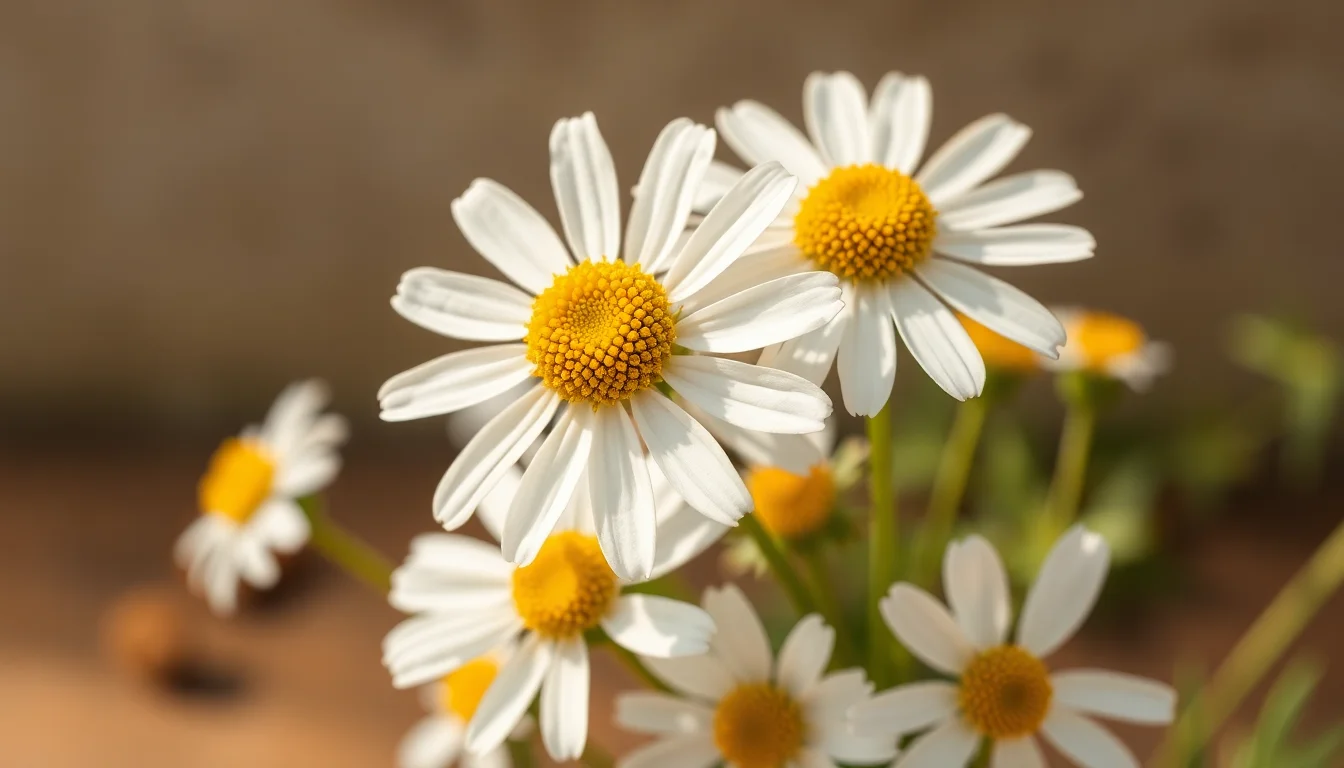
Chamomile flower absolute, Roman (CAS 8015-92-7) — Sweet Heart Note Fragrance Ingredient
Chamomile flower absolute, Roman
CAS 8015-92-7
What Is Chamomile flower absolute, Roman?
Roman chamomile flower absolute is a luxurious botanical extract used in high-end perfumes and skincare. You’ll encounter its honeyed herbal aroma in aromatherapy products, natural perfumery, and premium cosmetics. This golden-green essence matters because it captures the plant’s full complexity – unlike essential oils, absolutes retain delicate fragrance molecules that would be destroyed by steam distillation.
Safety Profile
USE WITH AWARENESSWhat Does Chamomile flower absolute, Roman Smell Like?
Roman chamomile absolute unfolds like a sun-warmed meadow – initial bursts of green apple peel and ripe pear give way to a heart of honeyed hay and chamazulene’s blue herbal depth. The dry-down reveals tender woody undertones with whispers of vanilla-like coumarin. Unlike the sharper German variety, Roman chamomile maintains a rounded, almost fruity sweetness throughout its evolution, with a velvety texture that lingers on skin for hours.
In Famous Fragrances
Fragrance associations may not reflect actual formulations.
Used here as the star ingredient, showcasing its honeyed floralcy against white honeysuckle. The absolute’s natural sweetness eliminates need for synthetic sweeteners.
Roman chamomile absolute provides the foundational hay-like warmth, blended with linden blossom for a nostalgic summer field effect.
Chemistry, Properties & Perfumer Guide
The Chemistry
Roman chamomile absolute (Chamaemelum nobile) contains over 120 identified compounds, dominated by esters like angelate and tiglate derivatives. The characteristic blue color comes from chamazulene, formed during extraction from matricin. Unlike steam-distilled oil, the hexane-extracted absolute retains heat-sensitive sesquiterpenes like α-bisabolol oxides. Key markers include n-butyl angelate (fruity), isoamyl isobutyrate (green apple), and the rare (Z)-en-yn-dicycloether.
Physical & Chemical Properties
| Appearance | Viscous green-blue liquid |
|---|---|
| Solubility | Soluble in alcohol, fixed oils |
Key Constituent Properties
| Constituent | CAS | MW | BP °C | XLogP | Vapor P. |
|---|---|---|---|---|---|
| Isoamyl isobutyrate | 2050-01-3 | 158.24 | 170 | 2.8 | 1.2 mmHg |
| α-Bisabolol oxide A | 14049-83-7 | 256.38 | 310 | 3.1 | 0.001 mmHg |
Perfumer Guide
| Application | Typical % | Range | Notes |
|---|---|---|---|
| Fine Fragrance | 0.5-2% | Up to 5% | Adds natural honeyed depth |
| Skincare | 0.1-0.5% | Up to 1% | Soothing active component |
Classic Accords
Tip: Warm gently before use to improve pourability without losing top notes.
Alternatives & Comparisons
More azulene-rich with sharper medicinal notes. Use when needing deeper blue coloration.
Steam-distilled alternative with higher chamazulene but missing fruity esters.
Safety, Regulatory & Sustainability
⚠ Regulatory Disclaimer
General reference only. Consult current IFRA Standards Library before formulating.
IFRA Status
No restrictions under IFRA 49th Amendment. Chamazulene content self-limits usage.
EU Allergen Declaration
None required – no regulated allergens above 0.01%
RIFM Assessment
RIFM assessment confirms safe use at current levels in fragrance.
Sustainability
Roman chamomile is cultivated without pesticides in England and France. Hexane used in extraction is recycled. Yield is low (0.1-0.3% of flower weight), making it precious. Some producers now offer CO2 extracts as solvent-free alternatives.
Explore Chamomile flower absolute, Roman
Browse essential oils and aroma compounds.
Browse on iHerb →Affiliate disclosure: we may earn a small commission at no extra cost to you.
References
- Sashidhara et al. (2012). Phytochemical analysis of Roman chamomile. Phytochemistry. PMID 22579365
- EMA (2015). Assessment report on Chamaemelum nobile. EMA/HMPC/55843/2011
Data: PubChem (NIH), PubMed, RIFM, IFRA. Last reviewed: Apr 2026.
Report a data error


![4-Methyl-1-oxaspiro[5.5]undecene (CAS 68228-06-08) — Woody Base Note Fragrance Ingredient](https://thegoodscents.company/wp-content/uploads/2026/04/4-methyl-1-oxaspiro-5-5-undecene-768x439.webp)

