Citric acid (CAS 77-92-9) — Citrus N/A Note Fragrance Ingredient
Citric acid
CAS 77-92-9
What Is Citric acid?
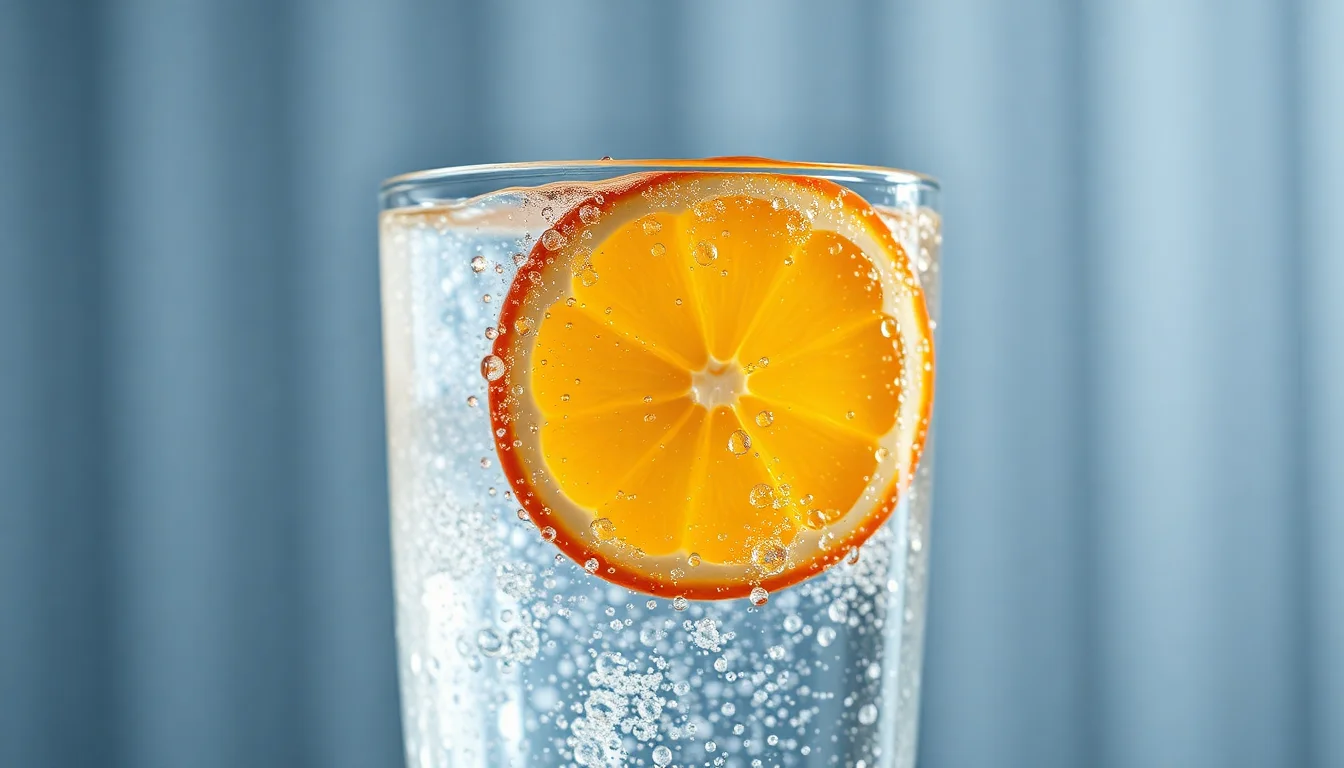
Citric acid is a natural compound found in citrus fruits, commonly used in food, beverages, and cleaning products. It provides a tart, refreshing taste and acts as a preservative. This ingredient matters because it’s versatile, biodegradable, and widely recognized as safe, making it a staple in both household and industrial applications.
Safety Profile
GENERALLY SAFEWhat Does Citric acid Smell Like?
Citric acid itself is odorless, but it enhances the perception of freshness and acidity in fragrances. It works synergistically with citrus top notes to create a bright, clean opening. In formulations, it can subtly sharpen floral and herbal accords, adding a crisp edge without overpowering.
2D Molecular Structure
SMILES: OC(=O)CC(O)(CC(O)=O)C(O)=O
Chemistry, Properties & Perfumer Guide
The Chemistry
Citric acid is a tricarboxylic acid found in citrus fruits. It is produced industrially via fermentation using Aspergillus niger. The molecule is chiral, with the naturally occurring form being (R)-(+)-citric acid. It is highly water-soluble and acts as a chelating agent, making it useful in both fragrance and functional applications.
Physical & Chemical Properties
| Melting Point | 153 °C |
|---|---|
| Density | 1.665 g/cm³ |
| Solubility | 73 g/100 mL (water) |
Perfumer Guide
| Application | Typical % | Range | Notes |
|---|---|---|---|
| Fine Fragrance | Trace | Up to 0.1% | Used for pH adjustment |
| Functional Fragrances | 0.5-2% | Up to 5% | Preservative and chelating agent |
Classic Accords
Tip: Use citric acid to adjust pH and enhance freshness in citrus-based fragrances.
Alternatives & Comparisons
A sharper, more apple-like acidity. Use when a more pronounced tartness is desired.
Provides a smoother, grape-like acidity. Ideal for rounding off harsh edges in floral compositions.
Safety, Regulatory & Sustainability
⚠ Regulatory Disclaimer
General reference only. Consult current IFRA Standards Library before formulating.
IFRA Status
Not restricted by IFRA.
RIFM Assessment
RIFM has assessed citric acid as safe for use in fragrances.
Sustainability
Citric acid is produced sustainably via fermentation, with minimal environmental impact. It is biodegradable and non-toxic, making it an eco-friendly choice for formulations.
Explore Citric acid
Browse essential oils and aroma compounds.
Browse on iHerb →Affiliate disclosure: we may earn a small commission at no extra cost to you.
References
- PubChem. Citric Acid. PubChem CID: 311
Data: PubChem (NIH), PubMed, RIFM, IFRA. Last reviewed: Apr 2026.
Report a data errorIngredient Data Sheet
CAS 77-92-9Physical Properties
| Molecular Weight | 192.12 g/mol🔬 PubChem |
| LogP (Octanol-Water) | -1.7🔬 PubChem |
| Vapor Pressure | 0 mmHg @ 25°C📊 OPERA |
| Flash Point | 100 °C🔬 EPA CompTox |
| log Kp (skin permeability) | -5.079💻 Calculated |
| SMILES | C(C(=O)O)C(CC(=O)O)(C(=O)O)O🔬 PubChem |
Odor & Flavor
| Primary Descriptors | odorless• leffingwell |
| Functional Groups | alcohol💻 RDKit |
| Citric acid and its salts are naturally occurring constituents and common metabolites in plant and animal tissues. Citric acid is an intermediary compound in the Krebs cycle linking oxidative metabolism of carbohydrate, protein and fat. The concentration of naturally occurring citrate is relatively higher in fruits, particularly citrus fruits and juices, than vegetables and animal tissues. Typical concentrations, fresh weight, are about 1% in orange juice and up to 8% in unripe lemon juice as compared to less than 0.1% in peas, corn and cabbage and about 0.1% in human milk. Citric acid has a pleasant acid taste and is odorless.39📖 Fenaroli | |
Regulatory Status
| IOFI Classification | Nature Identical📖 Fenaroli |
Physical data: PubChem (NIH/NLM), U.S. EPA CompTox Dashboard, EPA OPERA models, RDKit. Odor & flavor: Arctander (Perfume & Flavor Chemicals), Fenaroli's Handbook of Flavor Ingredients, Leffingwell. Thresholds: van Gemert (Compilations of Odour Threshold Values). Regulatory: IFRA Standards 51st, FEMA GRAS. Trade names: Surburg (Common Fragrance & Flavor Materials). All data compiled and cross-referenced for perfumertools.com.
Physicochemical Properties
DTXSID: DTXSID3020332
Physical Properties
| Molecular Weight | 192.123 g/mol🔬 EPA CompTox |
| Density | 1.463 g/cm^3🔬 EPA CTX |
| Boiling Point | 335.494 °C📊 OPERA |
| Melting Point | 153.193 °C🔬 EPA CTX |
| Flash Point | 157.34 °C🔬 EPA CTX |
| Refractive Index | 1.575 Dimensionless📊 OPERA |
| Molar Volume | 109.007 cm^3/mol📊 OPERA |
Partition & Solubility
| LogP (Octanol-Water) | -1.654 Log10 unitless🔬 EPA CTX |
| LogD (pH 5.5) | -5.817 Log10 unitless📊 OPERA |
| LogD (pH 7.4) | -7.232 Log10 unitless📊 OPERA |
| LogKoa (Octanol-Air) | 7.91 Log10 unitless📊 OPERA |
| Water Solubility | 3.641 mol/L🔬 EPA CTX |
| Henry's Law Constant | 0 atm-m3/mole📊 OPERA |
Transport Properties
| Vapor Pressure | 0 mmHg🔬 EPA CTX |
| Viscosity | 1.366 cP📊 OPERA |
| Surface Tension | 73.113 dyn/cm📊 OPERA |
Molecular Descriptors
| Topological Polar Surface Area | 132.13 Ų💻 Computed |
| H-Bond Donors | 4 count💻 Computed |
| H-Bond Acceptors | 4 count💻 Computed |
| Rotatable Bonds | 5 count💻 Computed |
| Aromatic Rings | 0 count💻 Computed |
| Molar Refractivity | 36.04 cm^3/mol📊 OPERA |
| Polarizability | 14.288 Å^3📊 OPERA |
Data Sources:
🔬 EPA Experimental data from U.S. EPA CompTox Chemicals Dashboard & CTX APIs. 📊 OPERA Predicted using EPA's OPERA QSAR models. 💻 Computed Calculated from SMILES using RDKit.
Related Research
- Poly(oxy-1,2-ethanediyl), .alpha.-(nonylphenyl)-.omega.-hydroxy-, branched (CAS 68412-54-4) — Citrus N/A Note Fragrance Ingredient
- Butyl hexanoate (CAS 626-82-4) — Sweet Top Note Fragrance Ingredient
- Rose ketones (CAS 59739-63-8) — Mid Note Fragrance Ingredient
- Ethyl myristate (CAS 0124-06-01) — Woody Base Note Fragrance Ingredient