Citrus terpenes (CAS 68608-34-4) — Citrus Top Note Fragrance Ingredient
Citrus terpenes
CAS 68608-34-4
What Is Citrus terpenes?
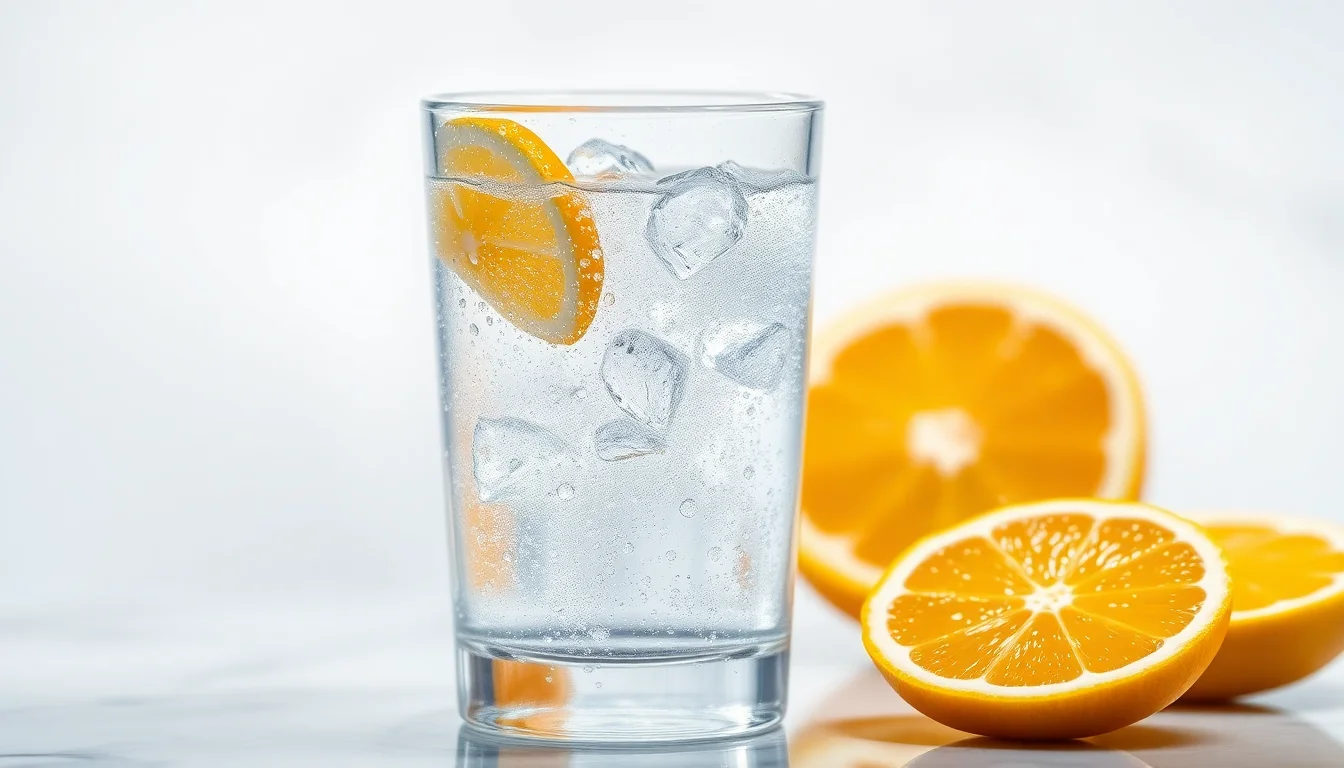
Citrus terpenes are the bright, zesty molecules that give oranges, lemons, and grapefruits their characteristic fresh scent. You encounter them in everything from household cleaners to premium perfumes. These natural compounds create the instant uplifting effect we associate with citrus fruits. Their importance lies in being the backbone of citrus fragrances – they provide the initial burst that makes citrus scents so universally appealing and refreshing.
Safety Profile
GENERALLY SAFEWhat Does Citrus terpenes Smell Like?
Citrus terpenes explode with vibrant energy – like peeling a perfectly ripe orange with juice spraying into the air. The top notes are intensely fresh, with sharp lemon zest and sweet mandarin nuances. As they evolve, they reveal greener, slightly woody undertones reminiscent of citrus leaves. The dry-down is clean and transparent, leaving a subtle waxy citrus peel impression that lingers delicately. These molecules capture sunlight in scent form – effervescent, cheerful, and impossible to ignore.
In Famous Fragrances
Fragrance associations may not reflect actual formulations.
Citrus terpenes provide the sparkling opening that made this fragrance revolutionary, combining with rosemary and basil for a crisp, modern interpretation of citrus that defined the cologne category.
Here citrus terpenes create the photorealistic Sicilian lemon effect that makes this fragrance so instantly recognizable, balanced with crisp apple notes for a youthful, energetic composition.
Chemistry, Properties & Perfumer Guide
The Chemistry
Citrus terpenes primarily consist of limonene, pinene, and other monoterpenes found in citrus peel oil. These volatile hydrocarbons are extracted through cold pressing of citrus rinds or fractional distillation. Their molecular structure features isoprene units that make them highly reactive and prone to oxidation, which is why citrus notes often fade quickly in perfumery. The chirality of these molecules (D-limonene being the most common) affects their odor profile significantly.
Physical & Chemical Properties
| Boiling Point Range | 155-178 °C |
|---|---|
| Flash Point | 48 °C |
| Solubility | Insoluble in water |
Perfumer Guide
| Application | Typical % | Range | Notes |
|---|---|---|---|
| Fine Fragrance | 5-15% | Up to 25% | Core citrus character |
| Household Cleaners | 0.5-2% | Up to 5% | Freshness booster |
Classic Accords
Tip: Stabilize with antioxidants like BHT to prevent rapid oxidation and top note loss.
Alternatives & Comparisons
Pure limonene offers more controlled citrus effects when you need precision rather than the complex natural mixture of citrus terpenes.
Safety, Regulatory & Sustainability
⚠ Regulatory Disclaimer
General reference only. Consult current IFRA Standards Library before formulating.
IFRA Status
No restrictions under current IFRA standards.
EU Allergen Declaration
Limonene content >100ppm requires allergen labeling (Citrus limon peel oil).
GHS Classification
RIFM Assessment
RIFM has evaluated citrus terpenes as safe for current use levels in fragrance applications.
Sustainability
Citrus terpenes are typically byproducts of juice production, making them sustainable upcycled materials. However, sourcing varies by region – Brazilian orange terpenes have different environmental impacts than Florida sources. Synthetic alternatives exist but lack the complexity of natural citrus terpenes.
Explore Citrus terpenes
Browse essential oils and aroma compounds.
Browse on iHerb →Affiliate disclosure: we may earn a small commission at no extra cost to you.
References
- Fenaroli’s Handbook of Flavor Ingredients, 6th Edition
Data: PubChem (NIH), PubMed, RIFM, IFRA. Last reviewed: Apr 2026.
Report a data errorIngredient Data Sheet
CAS 68608-34-4Physical data: PubChem (NIH/NLM), U.S. EPA CompTox Dashboard, EPA OPERA models, RDKit. Odor & flavor: Arctander (Perfume & Flavor Chemicals), Fenaroli's Handbook of Flavor Ingredients, Leffingwell. Thresholds: van Gemert (Compilations of Odour Threshold Values). Regulatory: IFRA Standards 51st, FEMA GRAS. Trade names: Surburg (Common Fragrance & Flavor Materials). All data compiled and cross-referenced for perfumertools.com.
Related Research
- Methyl 2,4-dihydroxy-m-toluate (CAS 33662-58-7) — Woody Middle to Base Note Fragrance Ingredient
- Allyl (cyclohexyloxy)acetate (CAS 68901-15-5) — Green Top Note Fragrance Ingredient
- 2-Methyl-5-phenylpentanol (CAS 25634-93-9) — Floral Heart to base Note Fragrance Ingredient
- Heliotropin (Piperonal) (CAS 120-57-0) — Sweet Base Note Fragrance Ingredient