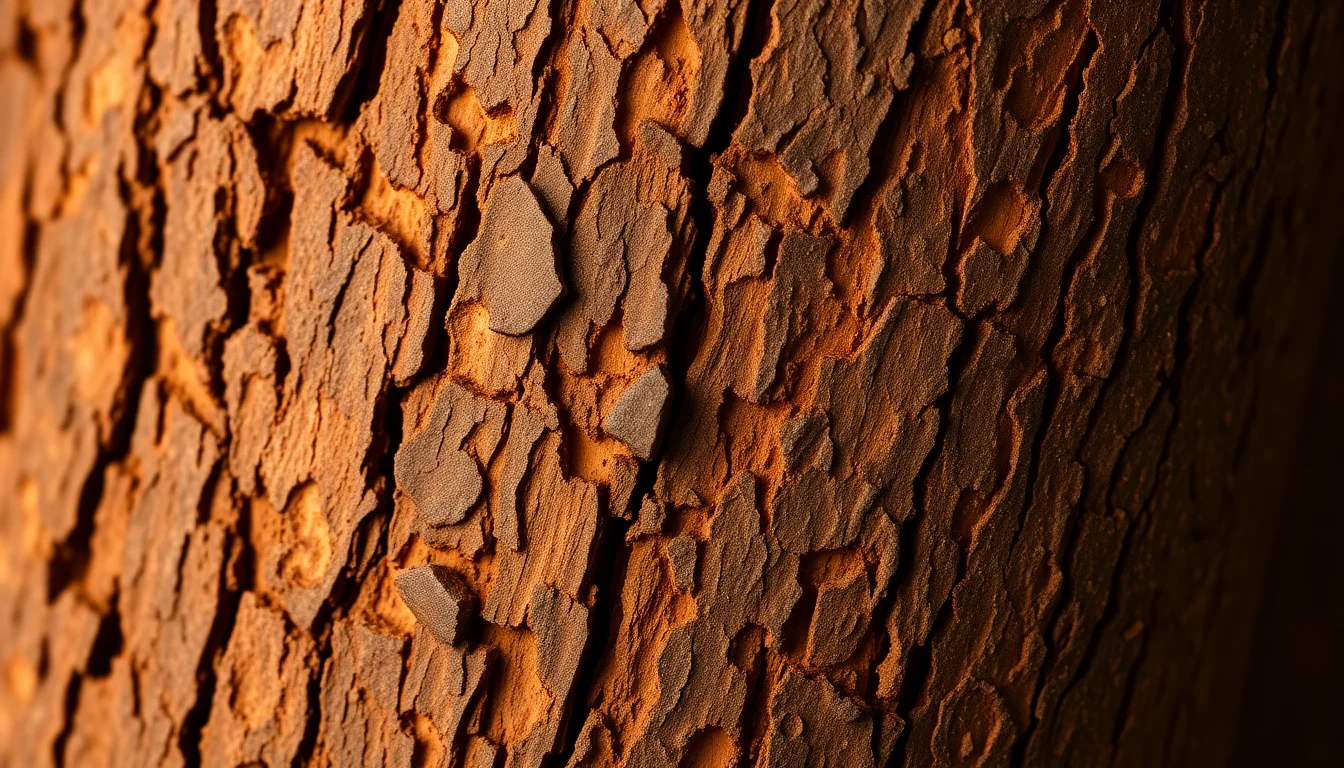
Copaiba Balsam Oil (CAS 8001-61-4) — Woody Base Note Fragrance Ingredient
Copaiba Balsam Oil
CAS 8001-61-4
What Is Copaiba Balsam Oil?
Copaiba balsam oil is a fragrant resin tapped from South American copaiba trees. You’ll find it in natural cosmetics, aromatherapy blends, and some niche perfumes. This thick, golden oil has been used for centuries by indigenous communities for its soothing properties. In modern perfumery, copaiba adds a warm, woody depth with subtle vanilla-like sweetness. It’s prized for its fixative qualities, helping other scents last longer on skin.
Safety Profile
GENERALLY SAFEWhat Does Copaiba Balsam Oil Smell Like?
Copaiba balsam unfolds with an initial medicinal sharpness that quickly softens into a velvety embrace. The heart reveals a complex interplay of warm sawdust, aged leather, and a whisper of dried figs. As it dries down, the resinous character deepens into a comforting amber glow with subtle vanillic undertones. Unlike other balsams, it maintains a clean, almost terpenic freshness that prevents cloying sweetness. The dry-down lingers for hours as a skin-like musk with faint reminiscences of antique wooden furniture polished with beeswax.
Scent Profile
In Famous Fragrances
Fragrance associations may not reflect actual formulations.
Copaiba provides the warm, vanillic base that complements this fragrance’s spicy cinnamon and incense accord, creating a cozy yet sophisticated winter scent.
Used as a resinous anchor in this jungle-inspired fragrance, copaiba blends with green mate and tropical florals to evoke the rainforest canopy.
Here copaiba’s smoky facets amplify the birch tar, creating an intense burnt wood effect that’s surprisingly wearable.
Copaiba’s natural sweetness enhances the boozy vanilla without making it gourmand, maintaining a dry, woody balance.
While primarily featuring Javanol, copaiba was added in trace amounts to provide subtle resinous warmth to this minimalist woody composition.
Chemistry, Properties & Perfumer Guide
The Chemistry
Copaiba balsam is a complex oleoresin containing about 30-90% volatile oils and 10-70% resin acids. The main sesquiterpene hydrocarbons include β-caryophyllene (often 50% of the oil), α-bergamotene, and β-bisabolene. These compounds are responsible for its anti-inflammatory properties. The resin portion contains diterpenic acids like copalic acid. The composition varies significantly by species (Copaifera officinalis, C. reticulata, etc.) and harvest location. Modern extraction typically uses steam distillation of the crude resin, though solvent extraction is sometimes employed for perfumery absolutes.
Chemical Composition
Physical & Chemical Properties
| Appearance | Pale yellow to golden viscous liquid |
|---|---|
| Boiling Point | 250-300 °C (main components) |
| Density | 0.880-0.907 g/cm³ |
| Refractive Index | 1.4930-1.5000 |
| Solubility | Soluble in alcohol, fixed oils; insoluble in water |
Key Constituent Properties
| Constituent | CAS | MW | BP °C | XLogP | Vapor P. |
|---|---|---|---|---|---|
| β-caryophyllene | 87-44-5 | 204.35 | 262 | 6.2 | 0.008 mmHg |
| α-bergamotene | 17699-05-7 | 204.35 | 276 | 6.7 | 0.003 mmHg |
Perfumer Guide
| Application | Typical % | Range | Notes |
|---|---|---|---|
| Fine Fragrance | 1-5% | Up to 10% | Provides warm woody-amber drydown |
| Aromatherapy | 2-10% | Up to 20% | Valued for its soothing properties |
| Soaps/Candles | 0.5-3% | Up to 5% | Excellent fixative for other notes |
Classic Accords
Tip: Use copaiba to smooth harsh woody notes – it particularly softens synthetic sandalwood materials like Polysantol.
Alternatives & Comparisons
For a sweeter, more balsamic effect with similar fixative properties but less woody character.
When you need copaiba’s soothing qualities without the resinous depth – works well in light floral compositions.
Provides similar woody-amber drydown effects with more cedar-like crispness and better solubility.
Safety, Regulatory & Sustainability
⚠ Regulatory Disclaimer
General reference only. IFRA, REACH, EU Cosmetics Regulation standards update periodically. Consult current IFRA Standards Library before formulating. Not legal or regulatory advice.
IFRA Status
No IFRA restrictions as of Amendment 51. Contains β-caryophyllene which is classified as non-allergenic.
RIFM Assessment
RIFM evaluation confirms safe use at current industry levels, with no significant sensitization potential.
Sustainability
Copaiba is sustainably harvested by tapping living trees without felling. A single tree can produce 10-12 liters annually for decades. Most production comes from wild trees in Brazil managed by local cooperatives. The resin’s antibacterial properties reduce need for chemical preservatives in products. Synthetic alternatives exist but lack the complexity of natural copaiba’s sesquiterpene profile.
Explore Copaiba Balsam Oil
Browse essential oils and aroma compounds.
Browse on iHerb →Affiliate disclosure: we may earn a small commission at no extra cost to you.
References
- Veiga Jr. et al. (2001). Chemical composition and anti-inflammatory activity of copaiba oils. Journal of Ethnopharmacology. PMID 11275249
- PubChem Copaiba Oil PubChem CID 11903547
Data: PubChem (NIH), PubMed, RIFM, IFRA. Last reviewed: Mar 2026.
Report a data error