Limonene (CAS 5989-27-5) — Citrus Top Note Fragrance Ingredient
Limonene
CAS 5989-27-5
What Is Limonene?
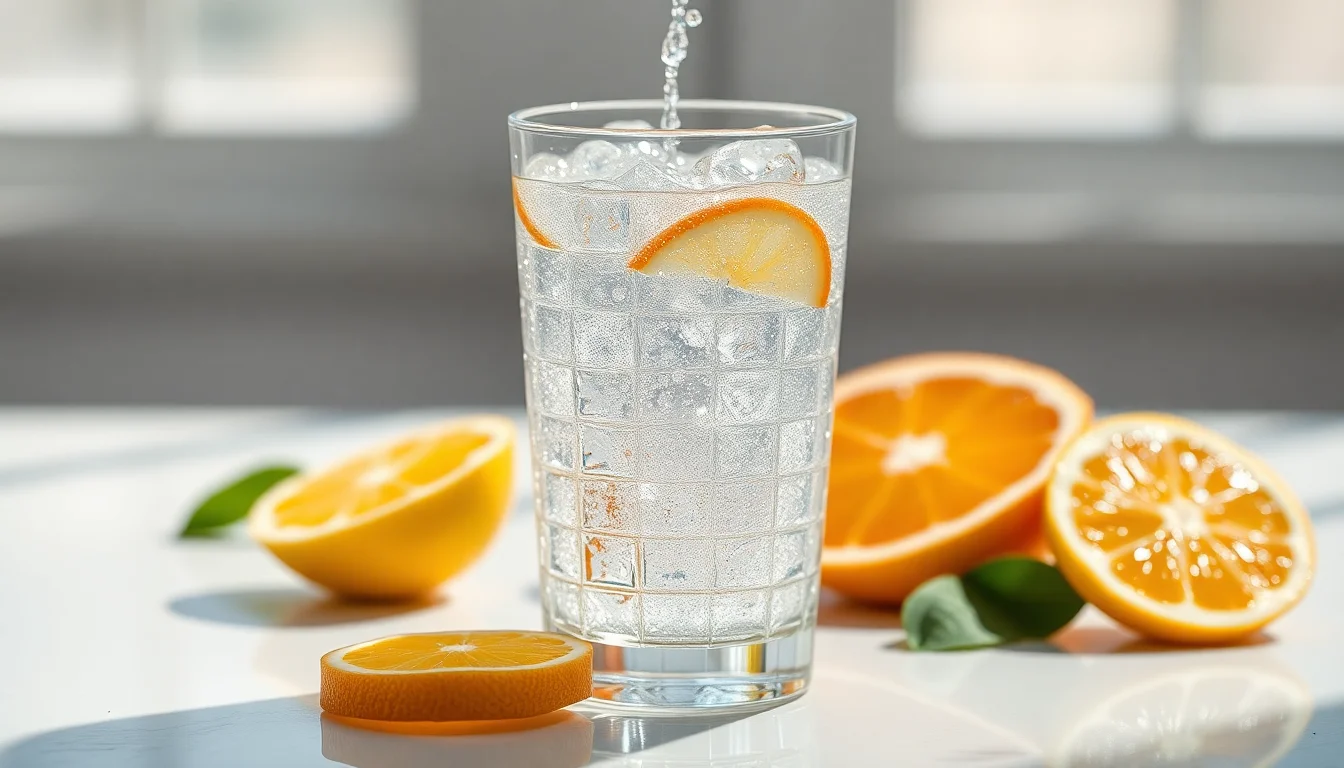
Limonene is a naturally occurring compound that gives citrus fruits their fresh, zesty aroma. You’ll encounter it in everything from household cleaners to perfumes and food flavorings. This versatile ingredient matters because it’s one of nature’s most recognizable scents, evoking sunshine and cleanliness while also serving practical functions in products.
Safety Profile
USE WITH AWARENESS
What Does Limonene Smell Like?
Limonene bursts with the vibrant, sun-drenched aroma of freshly peeled oranges – a crisp, uplifting citrus note that’s simultaneously sweet and slightly green. The initial impression is intensely fresh, like the spray from squeezing a ripe tangerine, evolving into a cleaner, more refined citrus character as it dries down. Unlike synthetic citrus notes, limonene carries subtle woody undertones that prevent it from smelling overly candied or artificial. In blends, it provides an energetic top note that gradually softens into a gentle citrus-woody whisper over several hours.
Scent Profile
In Famous Fragrances
Fragrance associations may not reflect actual formulations.
Limonene forms the sparkling citrus core of this classic, paired with rosemary for a Mediterranean freshness that defines the cologne genre.
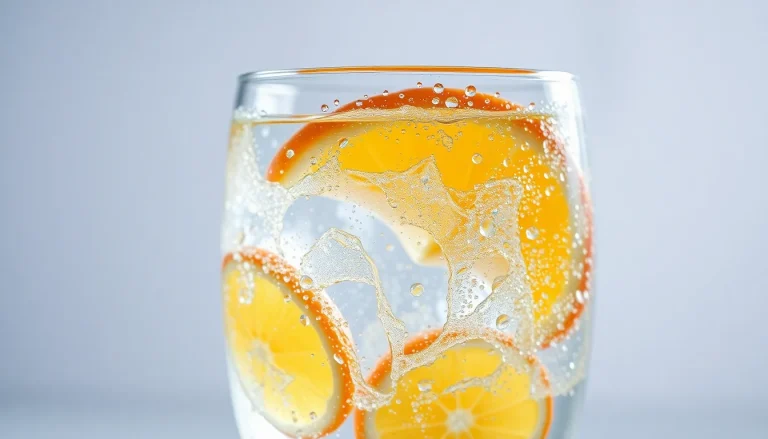
Here limonene’s zestiness cuts through aquatic notes, creating the sensation of lemon slices floating in icy water – the perfect summer refreshment.
Limonene provides the unisex appeal in this iconic fragrance, its citrus brightness balancing green tea and musk for universal wearability.
Limonene dominates this photorealistic blood orange interpretation, capturing both the juice’s sweetness and the peel’s bitter zest.
Limonene’s citrus sparkle combines with neroli in this historic formula, creating the archetype for all modern colognes.
2D Molecular Structure
SMILES: CC(=C)[C@@H]1CCC(C)=CC1
Chemistry, Properties & Perfumer Guide
The Chemistry
Limonene is a cyclic monoterpene hydrocarbon with the molecular formula C10H16. It exists as two optical isomers: d-limonene (the more common form) and l-limonene. Naturally abundant in citrus rinds (constituting up to 98% of orange oil), it’s typically isolated through steam distillation of citrus peels. Industrial production often involves fractional distillation of citrus oils or synthesis from pinene. The molecule’s characteristic citrus aroma comes from its cyclohexene ring structure with an isopropenyl substituent, which creates volatility perfect for top notes while allowing enough stability for reasonable longevity.
Physical & Chemical Properties
| Boiling Point | 176 °C |
|---|---|
| Density | 0.841 g/cm³ |
| Flash Point | 48 °C |
| Refractive Index | 1.471 |
| Vapor Pressure | 1.5 mmHg at 25°C |
| Solubility | Insoluble in water, miscible with alcohol |
Perfumer Guide
| Application | Typical % | Range | Notes |
|---|---|---|---|
| Fine Fragrance | 5-15% | Up to 25% | Core citrus component |
| Household Products | 0.5-3% | Up to 5% | Freshness booster |
| Food Flavoring | 0.01-0.1% | Up to 0.2% | Citrus enhancer |
Classic Accords
+ Mint + Eucalyptus = Invigorating Freshener
+ Vanilla + Tonka = Citrus Gourmand
Tip: Use limonene as a natural-feeling citrus bridge between synthetic top notes and woody heart accords.
Alternatives & Comparisons
For stronger lemon character with more tenacity, though more phototoxic.
Racemic limonene mixture when optical purity isn’t required, often more economical.
When wanting citrus character with rosy floral undertones and better stability.
Safety, Regulatory & Sustainability
⚠ Regulatory Disclaimer
General reference only. IFRA, REACH, EU Cosmetics Regulation standards update periodically. Consult current IFRA Standards Library before formulating. Not legal or regulatory advice.
IFRA Status
No IFRA restrictions. Listed on IFRA Transparency List for traceability.
EU Allergen Declaration
Must be declared when present >0.001% in leave-on products, >0.01% in rinse-off products (EU Regulation No. 1223/2009).
GHS Classification
H317 May cause allergic skin reaction
RIFM Assessment
RIFM assessment confirms safe use at current levels in fragrances, with some precautions for sensitive individuals.
Sustainability
Most limonene is sustainably sourced as a byproduct of citrus juice production, utilizing waste peels that would otherwise be discarded. Synthetic production from turpentine is also common, offering consistent quality but with higher carbon footprint. Recent advances include CO2 extraction methods that reduce energy use compared to steam distillation.
Explore Limonene
Browse essential oils and aroma compounds.
Affiliate disclosure: we may earn a small commission at no extra cost to you.
Industry & Science Data
References
- Sun J. (2007). D-Limonene: safety and clinical applications. Alternative Medicine Review. PMID 18072821
- PubChem Compound Summary for Limonene CID 22311
Data: PubChem (NIH), PubMed, RIFM, IFRA. Last reviewed: Mar 2026.
Ingredient Data Sheet
CAS 5989-27-5Physical Properties
| Molecular Weight | 136.23 g/mol🔬 PubChem |
| LogP (Octanol-Water) | 3.4🔬 PubChem |
| Boiling Point | 175.6 °C🔬 EPA CompTox |
| Vapor Pressure | 1 mmHg @ 25°C📊 OPERA |
| Flash Point | 48.3 °C🔬 EPA CompTox |
| Involatility Index | 0.0923💻 Calculated |
| log Kp (skin permeability) | -1.117💻 Calculated |
| SMILES | CC1=CCC(CC1)C(=C)C🔬 PubChem |
Volatility & Performance
| Fragrance Note | Top💻 Calculated |
| Volatility Class | Slow💻 Calculated |
| Persistence Score | 0.5 / 5💻 Calculated |
Odor & Flavor
| Primary Descriptors | citrusfreshorangesweet• leffingwell |
| Functional Groups | alkene💻 RDKit |
| “It is one of the most inexpensive perfume materials, yet not necessarily confined to "cheap" fragrances. Its main drawback is that of tendency to oxidize, but this can be combated with Antioxidants which retard the oxidation to a considerable degree. Combination antioxidants of Butylhydroxyanisole, Butyl hydroxytoluene and Citric acid as a synergist are effective at concentrations far below perceptible level and may prolong the life of odor-acceptable Monoterpenes from a few months up to more th”📖 Arctander | |
| d-, l- or dl-Limonene has a pleasant, lemon-like odor free from camphoraceous and turpentine-like notes. Limonene is the most important and widespread terpene; it is known in the d- and l- optically active forms and in the optically inactive dl-form (known as dipentene).📖 Fenaroli | |
Flavor Notes (Arctander)
| “d-Limonene is also used in flavor compositions, mainly as a modifier in Lime, fruit and spice complexes. The pungency often encountered when using large amounts of cold-pressed Orange oil in chewing gum can be reduced by the use of d-Limonene based upon the theory that the pungent or "biting" compon”📖 Arctander |
Sensory Thresholds
| Odor Detection Threshold | 0.6676 ppm (n=16)📖 van Gemert |
Regulatory Status
| IFRA Listed | Yes — see IFRA Standards for category limits⚖️ IFRA 51 |
| EU Annex III | Listed (restricted)⚖️ IFRA 51 |
| FEMA Number | FEMA 2633⚖️ FEMA GRAS |
| GRAS Status | Generally Recognized as Safe⚖️ FEMA GRAS |
| IOFI Classification | Nature Identical📖 Fenaroli |
Physical data: PubChem (NIH/NLM), U.S. EPA CompTox Dashboard, EPA OPERA models, RDKit. Odor & flavor: Arctander (Perfume & Flavor Chemicals), Fenaroli's Handbook of Flavor Ingredients, Leffingwell. Thresholds: van Gemert (Compilations of Odour Threshold Values). Regulatory: IFRA Standards 51st, FEMA GRAS. Trade names: Surburg (Common Fragrance & Flavor Materials). All data compiled and cross-referenced for perfumertools.com.
Physicochemical Properties
DTXSID: DTXSID1020778
Physical Properties
| Molecular Weight | 136.238 g/mol🔬 EPA CompTox |
| Density | 0.844 g/cm^3🔬 EPA CTX |
| Boiling Point | 170.407 °C🔬 EPA CTX |
| Melting Point | -64.805 °C🔬 EPA CTX |
| Flash Point | 49.798 °C🔬 EPA CTX |
| Refractive Index | 1.468 Dimensionless📊 OPERA |
| Molar Volume | 163.264 cm^3/mol📊 OPERA |
Partition & Solubility
| LogP (Octanol-Water) | 3975.149 Log10 unitless🔬 EPA CTX |
| LogD (pH 5.5) | 4.457 Log10 unitless📊 OPERA |
| LogD (pH 7.4) | 4.457 Log10 unitless📊 OPERA |
| LogKoa (Octanol-Air) | 4.31 Log10 unitless📊 OPERA |
| Water Solubility | 0 mol/L🔬 EPA CTX |
| Henry's Law Constant | 0.028 atm-m3/mole🔬 EPA CTX |
Transport Properties
| Vapor Pressure | 1.772 mmHg🔬 EPA CTX |
| Viscosity | 1.256 cP📊 OPERA |
| Surface Tension | 25.913 dyn/cm📊 OPERA |
| Thermal Conductivity | 118.647 mW/(m*K)📊 OPERA |
Molecular Descriptors
| Topological Polar Surface Area | 0 Ų💻 Computed |
| H-Bond Donors | 0 count💻 Computed |
| H-Bond Acceptors | 0 count💻 Computed |
| Rotatable Bonds | 1 count💻 Computed |
| Aromatic Rings | 0 count💻 Computed |
| Molar Refractivity | 45.355 cm^3/mol📊 OPERA |
| Polarizability | 17.98 Å^3📊 OPERA |
Data Sources:
🔬 EPA Experimental data from U.S. EPA CompTox Chemicals Dashboard & CTX APIs. 📊 OPERA Predicted using EPA's OPERA QSAR models. 💻 Computed Calculated from SMILES using RDKit.
Related Research
- Linalool oxide (CAS 1365-19-1) — Floral Top to middle Note Fragrance Ingredient
- 1-Octen-3-ol (CAS 3391-86-4) — Green Heart Note Fragrance Ingredient
- 4H-1,3-Benzodioxin, hexahydro-4-methyl-2-(phenylmethyl)- (CAS 1373821-23-8) — Balsamic Base Note Fragrance Ingredient
- Mimosa absolute (CAS 8031-03-06) — Floral Heart Note Fragrance Ingredient