Mandarin oil terpenes (CAS 68953-04-08) — Citrus Top Note Fragrance Ingredient
Mandarin oil terpenes
CAS 68953-04-08
What Is Mandarin oil terpenes?
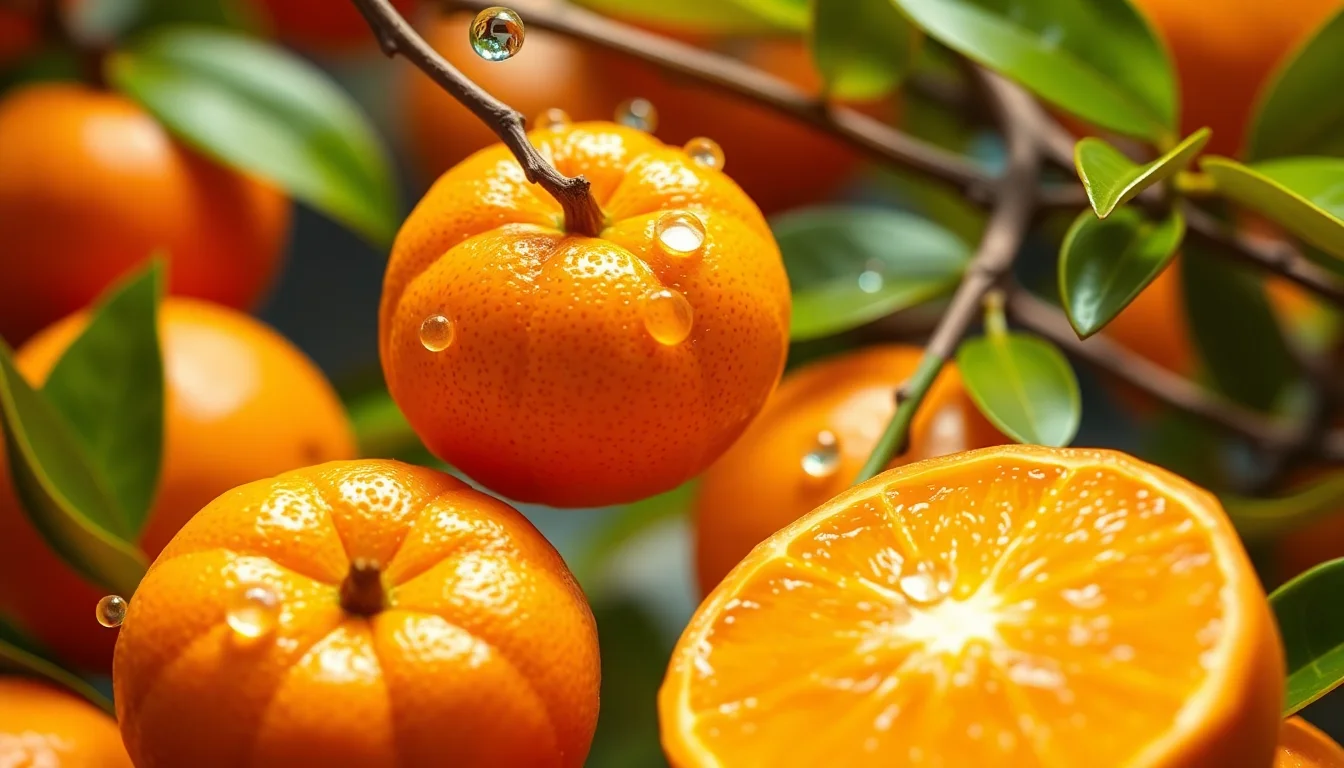
Mandarin oil terpenes are natural compounds found in the peel of mandarin oranges. They are commonly encountered in citrus-scented household cleaners, air fresheners, and perfumes. These terpenes contribute to the bright, uplifting aroma associated with fresh citrus fruits. Their natural origin and pleasant scent make them popular in aromatherapy and natural fragrance formulations.
Safety Profile
GENERALLY SAFEWhat Does Mandarin oil terpenes Smell Like?
Mandarin oil terpenes burst with a vibrant, sun-kissed citrus aroma reminiscent of peeling a ripe mandarin. The initial burst is juicy and sweet, with a slightly tart edge that evolves into a softer, floral-orange blossom heart. The dry-down reveals a subtle woody-green undertone, like the faint memory of citrus leaves after the fruit is gone.
In Famous Fragrances
Fragrance associations may not reflect actual formulations.
Used for its bright citrus opening that contrasts with herbal and woody base notes, creating a timeless freshness.
Mandarin terpenes enhance the photorealistic blood orange effect, making the fragrance mouthwateringly juicy.
Chemistry, Properties & Perfumer Guide
The Chemistry
Mandarin oil terpenes primarily consist of limonene (70-90%), with smaller amounts of γ-terpinene, myrcene, and α-pinene. These monoterpenes are biosynthesized in the oil glands of citrus peels. The mixture is typically obtained through cold pressing of mandarin peels, though steam distillation is sometimes used. The exact composition varies based on citrus variety and growing conditions.
Physical & Chemical Properties
| Boiling Point | 176 °C (limonene) |
|---|---|
| Flash Point | 48 °C |
Perfumer Guide
| Application | Typical % | Range | Notes |
|---|---|---|---|
| Fine Fragrance | 5-10% | Up to 20% | Creates sparkling citrus openings |
| Household Products | 1-3% | Up to 5% | Adds fresh, clean character |
Classic Accords
Tip: Combine with aldehydes to enhance diffusion and longevity of citrus top notes.
Alternatives & Comparisons
Pure limonene when a more standardized citrus profile is needed.
For a sweeter, less tart citrus character.
Safety, Regulatory & Sustainability
⚠ Regulatory Disclaimer
General reference only. Consult current IFRA Standards Library before formulating.
IFRA Status
No restrictions under IFRA standards. Limonene content may require antioxidant stabilization.
EU Allergen Declaration
Limonene (>0.1%) must be declared as potential allergen in EU.
GHS Classification
RIFM Assessment
RIFM considers mandarin oil safe as used in fragrance when oxidized forms are minimized.
Sustainability
Sourced as a byproduct of citrus juice industry. Cold-pressed extraction has lower environmental impact than distillation. Synthetic alternatives exist but lack natural complexity.
Explore Mandarin oil terpenes
Browse essential oils and aroma compounds.
Browse on iHerb →Affiliate disclosure: we may earn a small commission at no extra cost to you.
References
- Dugo, G., & Di Giacomo, A. (2002). Citrus: The Genus Citrus. CRC Press.
- PubChem Limonene CID 22311
Data: PubChem (NIH), PubMed, RIFM, IFRA. Last reviewed: Apr 2026.
Report a data error