Narcissus jonquilla absolute (CAS 8023-75-4) — Floral Heart to base Note Fragrance Ingredient
Narcissus jonquilla absolute
CAS 8023-75-4
What Is Narcissus jonquilla absolute?
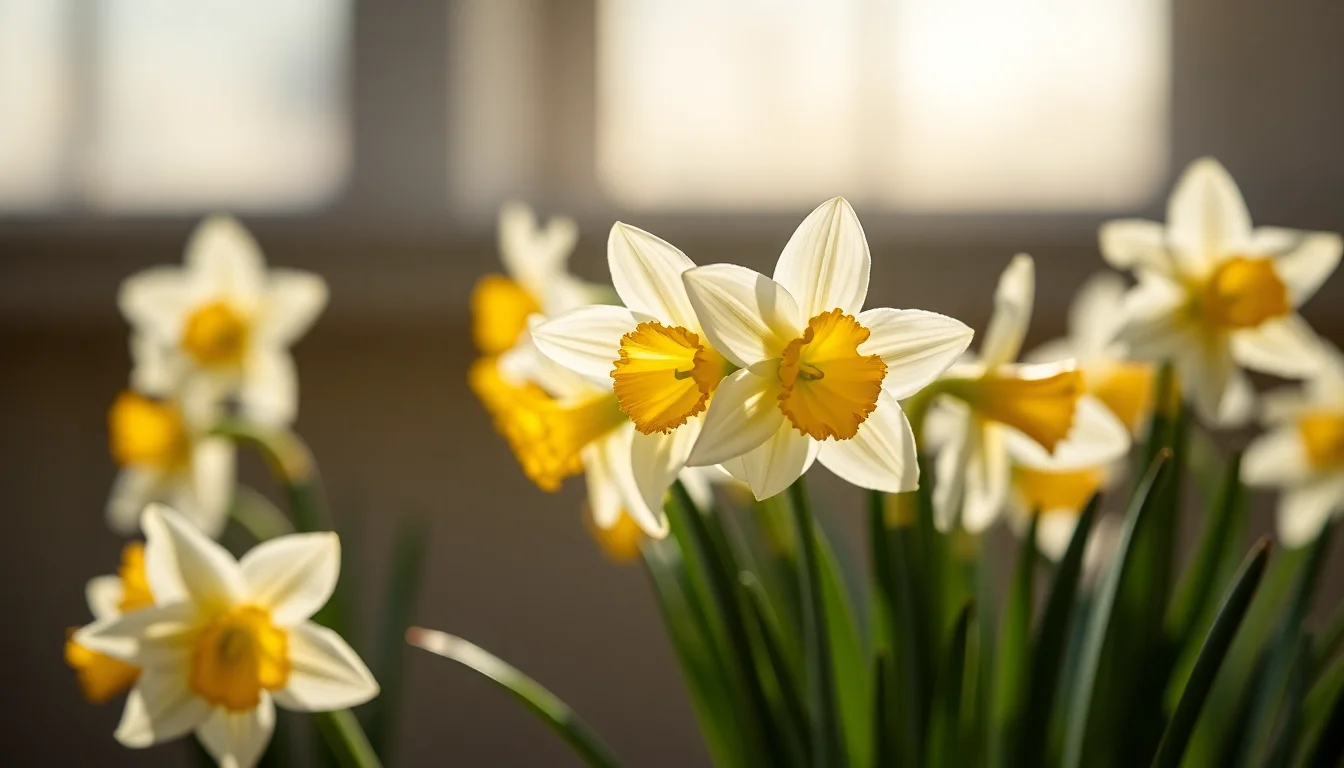
Narcissus jonquilla absolute is a luxurious floral extract derived from jonquil flowers, a type of daffodil. You’ll encounter its rich scent in high-end perfumes and niche fragrances. This ingredient matters because it captures the intoxicating, honeyed floralcy of spring blooms in a way few other materials can. Its complex aroma profile makes it a prized but expensive component in perfumery.
Safety Profile
USE WITH AWARENESSWhat Does Narcissus jonquilla absolute Smell Like?
Narcissus jonquilla absolute unfolds like a spring morning – an initial burst of green stemminess quickly gives way to an opulent floral heart. Imagine honey dripping over orange blossoms, with a narcotic intensity that’s both sweet and slightly animalic. The dry-down reveals earthy undertones reminiscent of damp soil after rain, with a lingering powdery-resinous character that lasts for hours. Unlike common jasmine or rose absolutes, jonquil carries a distinctive narcotic warmth with subtle indolic facets that add depth without becoming overpowering.
In Famous Fragrances
Fragrance associations may not reflect actual formulations.
The classic lily-of-the-valley fragrance uses narcissus absolute to create its legendary spring floralcy, adding honeyed depth to the crisp muguet notes.
This iconic fragrance showcases narcissus in all its narcotic glory, blending it with orange blossom and vanilla for a voluptuous floral-oriental.
Chemistry, Properties & Perfumer Guide
The Chemistry
Narcissus absolute is a complex mixture containing hundreds of compounds including benzyl acetate, linalool, and indole. The characteristic scent comes from trace amounts of jonquillein and other unique terpenoids. Extraction typically involves solvent extraction of the flowers followed by alcohol washing to remove waxes. The absolute contains both volatile top notes and heavier base components that contribute to its exceptional longevity.
Physical & Chemical Properties
| Appearance | Dark orange-brown viscous liquid |
|---|---|
| Solubility | Soluble in alcohol, fixed oils; insoluble in water |
Perfumer Guide
| Application | Typical % | Range | Notes |
|---|---|---|---|
| Fine Fragrance | 0.1-0.5% | Up to 1% | Used sparingly due to cost and intensity |
| Soap | 0.01-0.05% | Up to 0.1% | Very low usage due to discoloration |
Classic Accords
Tip: Use in trace amounts to lift floral compositions – a drop can transform a mundane bouquet into something extraordinary.
Alternatives & Comparisons
Reconstruction using phenylacetic acid, indole and floral notes for cost-sensitive applications where the real absolute is prohibitive.
Safety, Regulatory & Sustainability
⚠ Regulatory Disclaimer
General reference only. Consult current IFRA Standards Library before formulating.
IFRA Status
No specific restrictions under current IFRA standards (Amendment 49).
EU Allergen Declaration
Contains benzyl benzoate which requires declaration above 0.001% in leave-on products.
GHS Classification
RIFM Assessment
RIFM has evaluated narcissus absolute as safe for use in fragrances at current levels.
Sustainability
Narcissus absolute is labor-intensive to produce, requiring thousands of hand-picked flowers per kilogram. Sustainable sourcing initiatives focus on wild harvesting controls and supporting small producers. Some perfumers are developing molecular reconstructions to reduce environmental impact while maintaining the scent profile.
Explore Narcissus jonquilla absolute
Browse essential oils and aroma compounds.
Browse on iHerb →Affiliate disclosure: we may earn a small commission at no extra cost to you.
References
- Arctander, S. (1960). Perfume and Flavor Materials of Natural Origin.
Data: PubChem (NIH), PubMed, RIFM, IFRA. Last reviewed: Apr 2026.
Report a data errorIngredient Data Sheet
CAS 8023-75-4Physical data: PubChem (NIH/NLM), U.S. EPA CompTox Dashboard, EPA OPERA models, RDKit. Odor & flavor: Arctander (Perfume & Flavor Chemicals), Fenaroli's Handbook of Flavor Ingredients, Leffingwell. Thresholds: van Gemert (Compilations of Odour Threshold Values). Regulatory: IFRA Standards 51st, FEMA GRAS. Trade names: Surburg (Common Fragrance & Flavor Materials). All data compiled and cross-referenced for perfumertools.com.
Related Research
- 5-Phenylhex-4-en-2-one (CAS 35151-11-2) — Floral Heart Note Fragrance Ingredient
- Dimethyl succinate (CAS 106-65-0) — Sweet Top Note Fragrance Ingredient
- Ethyl 2-methyl-3-pentenoate (CAS 1617-23-8) — Green Top to middle Note Fragrance Ingredient
- 3,6-Dihydro-4-methyl-2-phenyl-2H-pyran (CAS 60335-71-9) — Citrus Top to middle Note Fragrance Ingredient
![Glycine, N-[[5-methyl-2-(1-methylethyl)cyclohexyl]carbonyl]-, ethyl ester (CAS 39668-74-1) — Woody Middle Note Fragrance Ingredient](https://thegoodscents.company/wp-content/uploads/2026/04/glycine-n-5-methyl-2-1-1-768x439.webp)