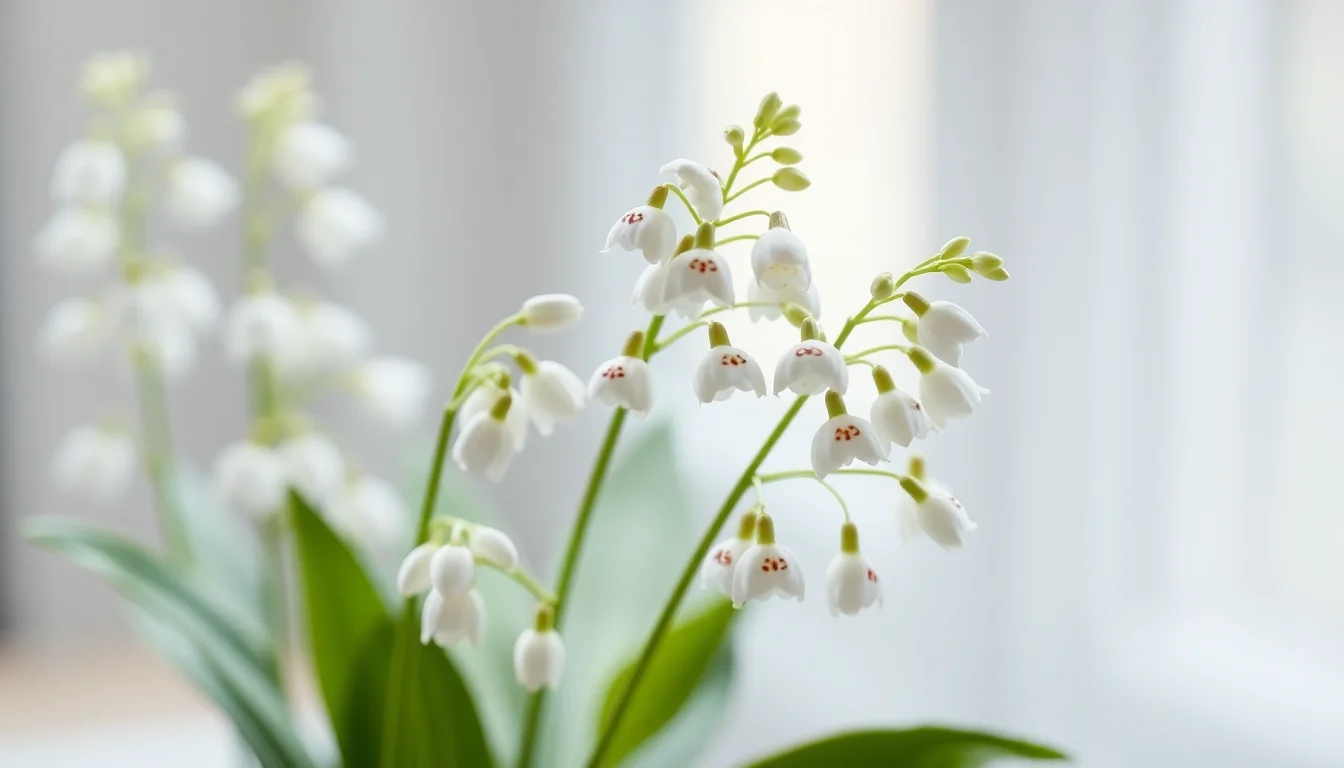
Muguet, microwave extraction (CAS 84082-46-2) — Floral Heart Note Fragrance Ingredient
Muguet, microwave extraction
CAS 84082-46-2
What Is Muguet, microwave extraction?
Muguet microwave extraction is a modern technique to capture the delicate scent of lily of the valley flowers. Consumers encounter this note in spring-themed perfumes, luxury soaps, and high-end home fragrances. The method matters because it preserves fresh floral nuances that traditional distillation often loses, offering perfumers a greener alternative to synthetic muguet materials.
Safety Profile
GENERALLY SAFEWhat Does Muguet, microwave extraction Smell Like?
The scent unfolds like dewy petals at dawn – a crisp green freshness gives way to tender floral sweetness without becoming cloying. Imagine morning dew on young leaves intertwined with the innocence of just-opened blossoms. Unlike synthetic muguet compounds, this extraction retains subtle earthy undertones that prevent the floralcy from turning soapy, drying down to a soft green whisper reminiscent of shaded forest floors where these flowers naturally grow.
In Famous Fragrances
Fragrance associations may not reflect actual formulations.
The original muguet masterpiece uses extraction techniques to capture the flower’s true essence. Microwave extraction would enhance its legendary green freshness while maintaining the floral purity that made this fragrance iconic.
This modern interpretation showcases muguet’s porcelain-delicate floralcy. Microwave extraction could amplify its crystalline transparency while adding natural depth missing from synthetic reconstructions.
Chemistry, Properties & Perfumer Guide
The Chemistry
Microwave-assisted extraction (MAE) uses electromagnetic waves to rupture plant cell walls more gently than steam distillation. This method better preserves oxygenated monoterpenes and phenylpropanoids responsible for muguet’s signature freshness. The process operates at lower temperatures than hydrodistillation, preventing thermal degradation of delicate floral components while achieving comparable yield percentages in shorter extraction times.
Physical & Chemical Properties
| Extraction Yield | 0.02-0.05% |
|---|---|
| Optimal Extraction Time | 15-20 minutes |
Perfumer Guide
| Application | Typical % | Range | Notes |
|---|---|---|---|
| Fine Fragrance | 0.5-2% | Up to 5% | Floral heart note modifier |
| Home Fragrance | 0.1-0.5% | Up to 1% | Delicate spring floral accent |
Classic Accords
Tip: Balance with hedione to extend floralcy without overpowering muguet’s natural delicacy.
Alternatives & Comparisons
The classic muguet synthetic when cost or stability are concerns, though lacks natural depth.
Safety, Regulatory & Sustainability
⚠ Regulatory Disclaimer
General reference only. Consult current IFRA Standards Library before formulating.
IFRA Status
No restrictions – not listed in IFRA Standards
RIFM Assessment
Not yet evaluated by RIFM – considered safe at current usage levels based on traditional use.
Sustainability
Microwave extraction reduces energy consumption by 40-60% compared to steam distillation while using less water. The shorter processing time decreases carbon footprint. Wild muguet harvesting must follow sustainable practices to prevent over-collection of this slow-growing plant. Some producers cultivate muguet specifically for extraction to protect wild populations.
Explore Muguet, microwave extraction
Browse essential oils and aroma compounds.
Browse on iHerb →Affiliate disclosure: we may earn a small commission at no extra cost to you.
References
- Chennat et al. (2012). Green extraction of natural products. Journal of Chemistry. DOI 10.1155/2012/590379
Data: PubChem (NIH), PubMed, RIFM, IFRA. Last reviewed: Apr 2026.
Report a data error