Petitgrain oil (CAS 8014-17-3) — Citrus Top Note Fragrance Ingredient
Petitgrain oil
CAS 8014-17-3
What Is Petitgrain oil?
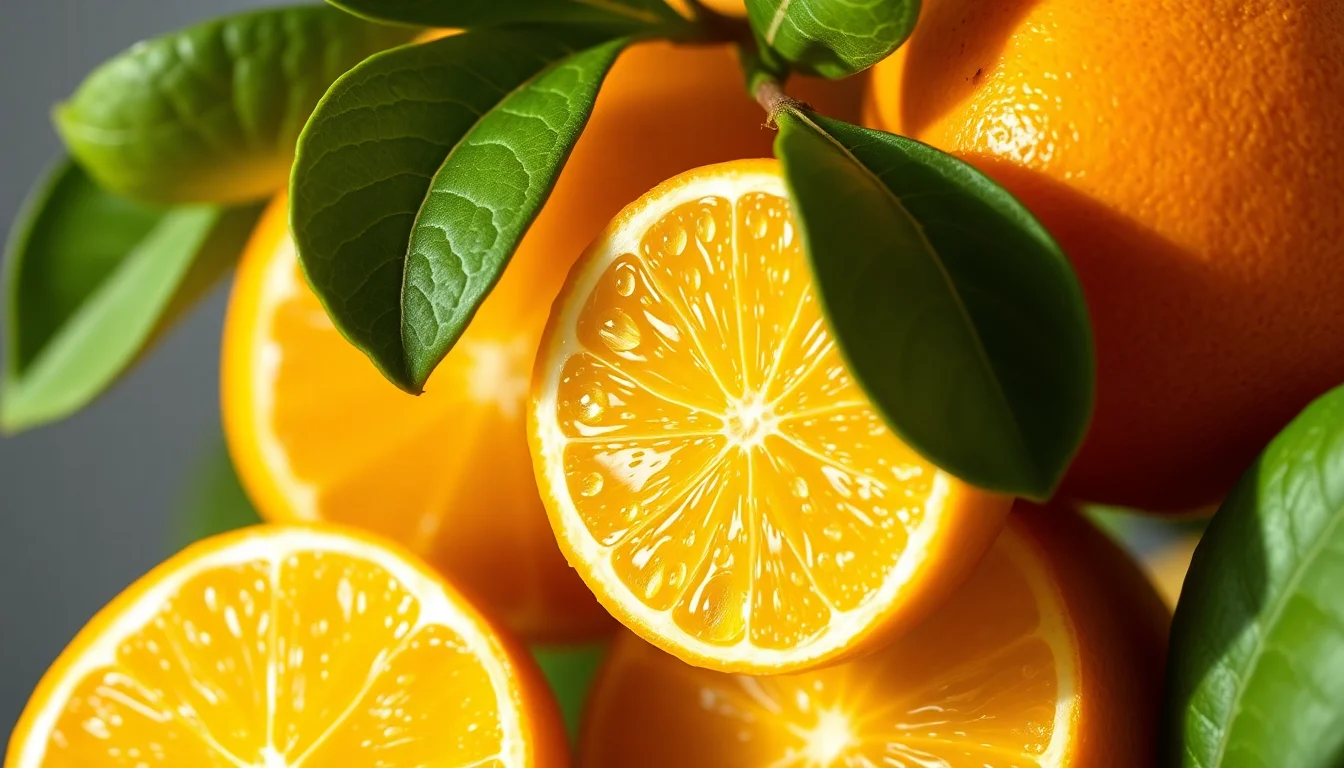
Petitgrain oil is a citrus-scented essential oil derived from the leaves and twigs of bitter orange trees. It’s commonly found in colognes, soaps, and household cleaners for its fresh, uplifting aroma. This oil bridges the gap between bright citrus and woody notes, making it versatile in perfumery while also being used in aromatherapy for stress relief.
Safety Profile
GENERALLY SAFEWhat Does Petitgrain oil Smell Like?
Petitgrain oil opens with a crisp, green citrus burst reminiscent of snapped twigs and crushed leaves, more herbaceous than sweet orange. The heart reveals a complex interplay of woody undertones and faint floral whispers, like an orange grove at dusk. Dry-down brings a clean, slightly bitter earthiness that lingers close to the skin.
Scent Profile
In Famous Fragrances
Fragrance associations may not reflect actual formulations.
Petitgrain provides the aromatic citrus-woody backbone that distinguishes this classic men’s cologne, blending with rosemary and basil for a Mediterranean freshness.
Used alongside neroli and lemon to create the iconic citrus bouquet that defined the cologne category for centuries.
Petitgrain adds depth to the blood orange top note, creating a more nuanced citrus profile that avoids being purely candied.
Chemistry, Properties & Perfumer Guide
The Chemistry
Petitgrain oil primarily contains linalyl acetate (35-50%) and linalool (20-30%), along with α-terpineol, geraniol, and sesquiterpenes. Unlike neroli (from flowers) or orange oil (from fruit), its composition reflects the metabolic activity of the tree’s leaves, producing more oxygenated monoterpenes. The oil is steam-distilled from fresh twigs and leaves of Citrus aurantium var. amara, with Paraguay being the primary producer. Chirality matters – the (R)-(-)-linalool in petitgrain differs from the (S)-(+)-linalool in coriander.
Chemical Composition
Physical & Chemical Properties
| Appearance | Pale yellow to amber liquid |
|---|---|
| Boiling Point | 198-220 °C (main components) |
| Density | 0.88-0.89 g/cm³ |
| Refractive Index | 1.457-1.465 (20°C) |
Key Constituent Properties
| Constituent | CAS | MW | BP °C | XLogP | Vapor P. |
|---|---|---|---|---|---|
| Linalyl acetate | 115-95-7 | 196.29 | 220 | 3.19 | 0.03 mmHg |
| Linalool | 78-70-6 | 154.25 | 198 | 2.7 | 0.16 mmHg |
Perfumer Guide
| Application | Typical % | Range | Notes |
|---|---|---|---|
| Fine Fragrance | 1-5% | Up to 10% | Adds aromatic citrus-woody complexity |
| Soaps/Detergents | 0.1-0.5% | Up to 1% | Provides fresh top notes that survive saponification |
| Aromatherapy | 0.5-2% | Up to 5% | Used for relaxation blends |
Classic Accords
Tip: Use to add natural-looking citrus facets that won’t turn soapy like some synthetics.
Alternatives & Comparisons
When cost is a factor, though lacks petitgrain’s woody depth.
For isolating the floral aspect without the citrus-woody complexity.
Safety, Regulatory & Sustainability
⚠ Regulatory Disclaimer
General reference only. IFRA, REACH, EU Cosmetics Regulation standards update periodically. Consult current IFRA Standards Library before formulating. Not legal or regulatory advice.
IFRA Status
No restrictions under IFRA 51st Amendment. Linalool content requires allergen labeling above 0.001% in leave-on products.
EU Allergen Declaration
Must be declared if linalool content exceeds 0.001% (leave-on) or 0.01% (rinse-off) per EU Regulation No 1223/2009.
RIFM Assessment
RIFM considers petitgrain oil safe at current usage levels (2015 assessment).
Sustainability
Petitgrain production utilizes tree pruning byproducts from bitter orange cultivation, making it relatively sustainable. Paraguay’s organic production helps preserve traditional methods. Synthetic alternatives exist but lack the full spectrum of natural constituents. Distillation requires significant energy input but generates less waste than citrus fruit processing.
Explore Petitgrain oil
Browse essential oils and aroma compounds.
Browse on iHerb →Affiliate disclosure: we may earn a small commission at no extra cost to you.
References
- Tisserand, R. & Young, R. (2014). Essential Oil Safety. Elsevier.
- Bauer, K. et al. (2001). Common Fragrance and Flavor Materials. Wiley-VCH.
- PubChem Compound Summary for Linalyl acetate CID 8294
Data: PubChem (NIH), PubMed, RIFM, IFRA. Last reviewed: Mar 2026.
Report a data errorIngredient Data Sheet
CAS 8014-17-3Odor & Flavor
| Petitgrain bigarade oil is obtained in approximately 0.2% yields, by steam distillation of leaves and twigs of the bitter orange tree; the leaves are the main starting material. Paraguay petitgrain oil (or petitgrain oil, South American) is obtained by steam distillation of the leaves and twigs of a variety of C. aurantium L. growing semiwild or cultivated in Paraguay. Distillation using superheated steam reduces hydrolysis of esters important for quality aroma. From either petitgrain bigarade or Paraguay petitgrain oil, a terpeneless oil can be prepared by vacuum distillation.📖 Fenaroli |
Regulatory Status
| IOFI Classification | Natural📖 Fenaroli |
Physical data: PubChem (NIH/NLM), U.S. EPA CompTox Dashboard, EPA OPERA models, RDKit. Odor & flavor: Arctander (Perfume & Flavor Chemicals), Fenaroli's Handbook of Flavor Ingredients, Leffingwell. Thresholds: van Gemert (Compilations of Odour Threshold Values). Regulatory: IFRA Standards 51st, FEMA GRAS. Trade names: Surburg (Common Fragrance & Flavor Materials). All data compiled and cross-referenced for perfumertools.com.
Related Research
- 4-Acetoxy-3-pentyltetrahydropyran (CAS 18871-14-2) — Woody Middle Note Fragrance Ingredient
- 2-Imidazolidinone (CAS 120-93-4) — Citrus N/A Note Fragrance Ingredient
- Calciate(2-), [(ethylenedinitrilo)tetraacetato]-, disodium, hydrate (CAS 23411-34-9) — Citrus N/A Note Fragrance Ingredient
- 1,5-Cyclododecadiene, 9-methoxy-1,6,10-trimethyl- (CAS 900779-74-0) — Woody Middle to base Note Fragrance Ingredient
![Bis(hydroxymethyl)tricyclo[5.2.1.02,6]decane (CAS 26160-83-8) — Woody Middle Note Fragrance Ingredient](https://thegoodscents.company/wp-content/uploads/2026/04/bis-2-768x439.webp)