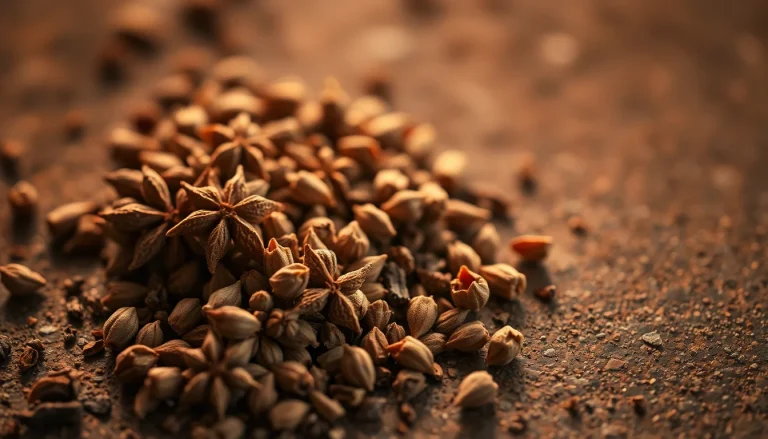
Phenol, 2,2′-methylenebis[6-(1,1-dimethylethyl)-4-methyl- (CAS 119-47-1) — Woody Base Note Fragrance Ingredient
Phenol, 2,2'-methylenebis[6-(1,1-dimethylethyl)-4-methyl-
CAS 119-47-1
What Is Phenol, 2,2'-methylenebis[6-(1,1-dimethylethyl)-4-methyl-?
This synthetic compound is a specialized fragrance ingredient primarily used in industrial and functional perfumery. Consumers may encounter it in long-lasting air fresheners or cleaning products where its stability is valued. While not common in fine fragrances, it plays a role in creating persistent base notes that anchor more volatile aromatics.
Safety Profile
USE WITH AWARENESSWhat Does Phenol, 2,2'-methylenebis[6-(1,1-dimethylethyl)-4-methyl- Smell Like?
This phenolic compound presents a complex aromatic profile with dominant woody-balsamic characteristics. Initial impressions reveal medicinal undertones reminiscent of antique apothecary cabinets, evolving into a dry, leathery heart with subtle smoky facets. The dry-down exhibits remarkable tenacity, leaving a faintly camphoraceous trail that persists for hours. While not overtly pleasant in isolation, it serves as an excellent fixative that modifies and extends more volatile materials.
Chemistry, Properties & Perfumer Guide
The Chemistry
As a synthetic bisphenol derivative, this compound belongs to the alkylphenol chemical class. The molecular structure features two tert-butyl groups that contribute to its steric hindrance and chemical stability. Industrial synthesis typically involves the condensation of para-cresol with formaldehyde under acidic conditions, followed by alkylation. The electron-rich aromatic rings make this compound resistant to oxidation, explaining its persistence in fragrance applications.
Physical & Chemical Properties
| Appearance | White to pale yellow crystalline powder |
|---|---|
| Melting Point | 120-125 °C |
Perfumer Guide
| Application | Typical % | Range | Notes |
|---|---|---|---|
| Functional Fragrances | 0.5-2% | Up to 3% | Fixative for industrial applications |
| Cleaning Products | 0.1-0.5% | Up to 1% | Provides longevity |
Classic Accords
Tip: Use sparingly as overdosing creates medicinal off-notes.
Alternatives & Comparisons
Similar antioxidant properties with less odor impact for applications where scent neutrality is desired.
Safety, Regulatory & Sustainability
⚠ Regulatory Disclaimer
General reference only. Consult current IFRA Standards Library before formulating.
IFRA Status
Not currently restricted under IFRA standards, but recommended usage levels should be observed due to sensitization potential.
GHS Classification
RIFM Assessment
Limited safety data available. Recommended for rinse-off applications only.
Sustainability
As a fully synthetic material, production doesn’t deplete natural resources but requires petrochemical feedstocks. The manufacturing process involves moderate energy inputs. Proper disposal is recommended due to potential environmental persistence.
Explore Phenol, 2,2'-methylenebis[6-(1,1-dimethylethyl)-4-methyl-
Browse essential oils and aroma compounds.
Browse on iHerb →Affiliate disclosure: we may earn a small commission at no extra cost to you.
Related Research
- alpha,alpha-Dimethylphenethyl butyrate (CAS 10094-34-5) — Sweet Top to middle Note Fragrance Ingredient
- Tridecane (CAS 629-50-5) — Citrus Neutral Note Fragrance Ingredient
- Isobornyl 2-methylpropionate (CAS 85586-67-0) — Woody Middle Note Fragrance Ingredient
- 2-Hexyl-1,3-dioxolane (CAS 1708-34-5) — Green Top to middle Note Fragrance Ingredient