
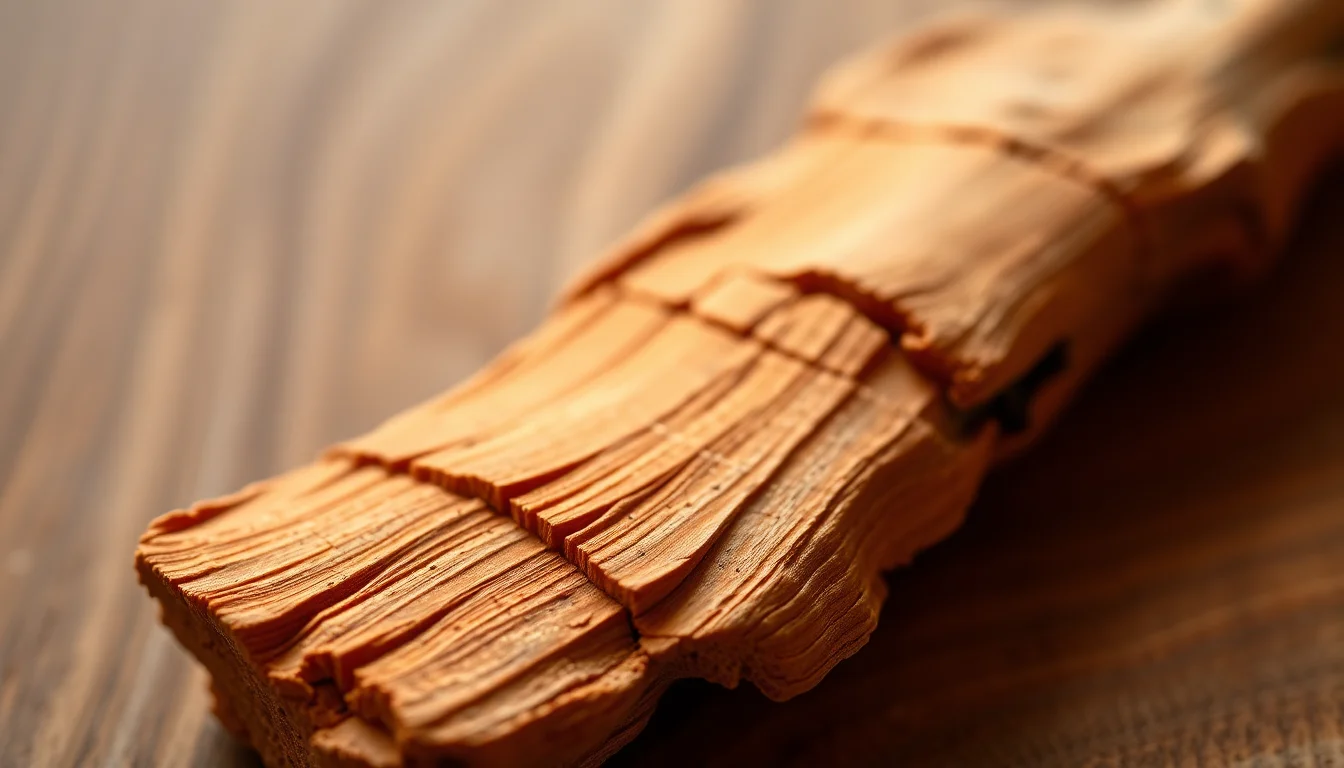
Pinocamphone (CAS 547-60-4) — Woody Top to middle Note Fragrance Ingredient
Pinocamphone
CAS 547-60-4
What Is Pinocamphone?
Pinocamphone is a synthetic fragrance compound rarely encountered in consumer products. It’s primarily used in niche perfumery and some industrial applications. This molecule is valued for its unique aromatic properties, though it’s not commonly found in mainstream fragrances due to its specialized nature and limited commercial use.
Safety Profile
PROFESSIONAL USEWhat Does Pinocamphone Smell Like?
Pinocamphone presents a sharp, camphoraceous aroma with woody undertones. The initial burst is medicinal and slightly bitter, reminiscent of crushed pine needles and eucalyptus. As it evolves, the scent develops a cleaner, more aromatic character, with subtle minty nuances. The dry-down reveals a persistent woody-resinous quality that lingers close to the skin.
2D Molecular Structure
SMILES: [H][C@@]12C[C@@]([H])([C@@H](C)C(=O)C1)C2(C)C
Chemistry, Properties & Perfumer Guide
The Chemistry
Pinocamphone is a monoterpenoid ketone with a bicyclic structure. While it occurs naturally in some essential oils like hyssop, commercial production is typically synthetic due to limited natural availability. The molecule’s rigid structure contributes to its distinctive camphor-like odor profile. Synthesis often involves oxidation of pinene precursors, though specific industrial routes are proprietary.
Physical & Chemical Properties
Perfumer Guide
| Application | Typical % | Range | Notes |
|---|---|---|---|
| Fine Fragrance | 0.1-0.5% | Up to 1% | Specialized modifier |
| Industrial | 1-3% | Up to 5% | Functional fragrance |
Classic Accords
Tip: Use sparingly in fougère and aromatic compositions to add camphoraceous depth.
Alternatives & Comparisons
Similar camphoraceous character but with sweeter, more herbal nuances. Preferred when a less aggressive profile is desired.
More intense cooling effect and stronger medicinal character. Use when maximum impact is needed.
Safety, Regulatory & Sustainability
⚠ Regulatory Disclaimer
General reference only. Consult current IFRA Standards Library before formulating.
IFRA Status
No specific IFRA restrictions, but limited usage recommended due to sparse safety data.
RIFM Assessment
No comprehensive RIFM assessment available.
Sustainability
As a synthetic material, pinocamphone’s environmental impact depends on production methods. Being produced in small quantities, its overall ecological footprint is minimal. Some manufacturers are exploring green chemistry approaches to its synthesis, though commercial viability remains limited by niche demand.
Explore Pinocamphone
Browse essential oils and aroma compounds.
Browse on iHerb →Affiliate disclosure: we may earn a small commission at no extra cost to you.
Layer 3 · Practical
- Molecular Weight: 152.23 g/mol
- LogP (XLogP): 2.30
Ingredient Data Sheet
CAS 547-60-4Physical Properties
| Molecular Weight | 152.23 g/mol🔬 PubChem |
| LogP (Octanol-Water) | 2.3🔬 PubChem |
| Boiling Point | 207 °C🔬 EPA CompTox |
| Vapor Pressure | 0.5495 mmHg @ 25°C📊 OPERA |
| Flash Point | 72.8 °C🔬 EPA CompTox |
| Involatility Index | 0.048💻 Calculated |
| log Kp (skin permeability) | -1.996💻 Calculated |
| SMILES | CC1C2CC(C2(C)C)CC1=O🔬 PubChem |
Volatility & Performance
| Fragrance Note | Top💻 Calculated |
| Volatility Class | Slow💻 Calculated |
| Persistence Score | 0.5 / 5💻 Calculated |
Odor & Flavor
| Functional Groups | ketone💻 RDKit |
| “Warm-camphoraceous, Cedarleaf-like, slightly spicy odor of moderate to poor tenacity.”📖 Arctander | |
Flavor Notes (Arctander)
| “minor extent in flavor compositions for seasonings, etc. Apart from this special application, there is no significant use for the subject material in perfumes or flavors.”📖 Arctander |
Physical data: PubChem (NIH/NLM), U.S. EPA CompTox Dashboard, EPA OPERA models, RDKit. Odor & flavor: Arctander (Perfume & Flavor Chemicals), Fenaroli's Handbook of Flavor Ingredients, Leffingwell. Thresholds: van Gemert (Compilations of Odour Threshold Values). Regulatory: IFRA Standards 51st, FEMA GRAS. Trade names: Surburg (Common Fragrance & Flavor Materials). All data compiled and cross-referenced for perfumertools.com.
Physicochemical Properties
DTXSID: DTXSID70881207
Physical Properties
| Molecular Weight | 152.237 g/mol🔬 EPA CompTox |
| Density | 0.958 g/cm^3📊 OPERA |
| Boiling Point | 209.376 °C📊 OPERA |
| Melting Point | 8.669 °C📊 OPERA |
| Flash Point | 67.59 °C📊 OPERA |
| Refractive Index | 1.468 Dimensionless📊 OPERA |
| Molar Volume | 160.116 cm^3/mol📊 OPERA |
Partition & Solubility
| LogP (Octanol-Water) | 2.795 Log10 unitless📊 OPERA |
| LogD (pH 5.5) | 2.795 Log10 unitless📊 OPERA |
| LogD (pH 7.4) | 2.795 Log10 unitless📊 OPERA |
| LogKoa (Octanol-Air) | 4.83 Log10 unitless📊 OPERA |
| Water Solubility | 0.007 mol/L📊 OPERA |
| Henry's Law Constant | 0 atm-m3/mole📊 OPERA |
Transport Properties
| Vapor Pressure | 0.376 mmHg📊 OPERA |
| Viscosity | 2.215 cP📊 OPERA |
| Surface Tension | 29.72 dyn/cm📊 OPERA |
| Thermal Conductivity | 115.025 mW/(m*K)📊 OPERA |
Molecular Descriptors
| Topological Polar Surface Area | 17.07 Ų💻 Computed |
| H-Bond Donors | 0 count💻 Computed |
| H-Bond Acceptors | 1 count💻 Computed |
| Rotatable Bonds | 0 count💻 Computed |
| Aromatic Rings | 0 count💻 Computed |
| Molar Refractivity | 44.494 cm^3/mol📊 OPERA |
| Polarizability | 17.639 Å^3📊 OPERA |
Data Sources:
🔬 EPA Experimental data from U.S. EPA CompTox Chemicals Dashboard & CTX APIs. 📊 OPERA Predicted using EPA's OPERA QSAR models. 💻 Computed Calculated from SMILES using RDKit.



![1-Naphthalenesulfonic acid, 4-hydroxy-3-[2-(4-sulfo-1-naphthalenyl)diazenyl]-, sodium salt (1:2) (CAS 3567-69-9) — Citrus N/A Note Fragrance Ingredient](https://thegoodscents.company/wp-content/uploads/2026/04/1-naphthalenesulfonic-acid-4-hydroxy-3-2-1-1-768x439.webp)
