
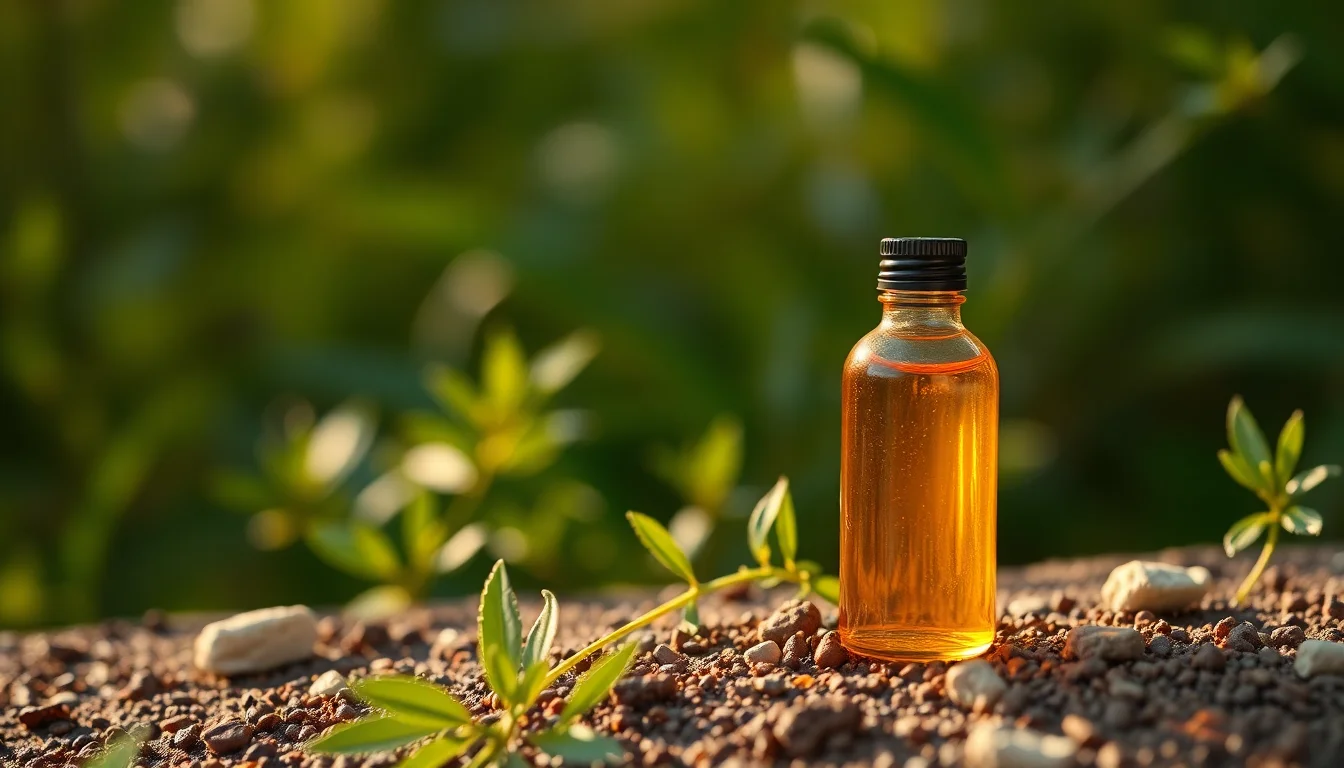
Procavia capensis extract (CAS 1005328-84-6) — Musky Base Note Fragrance Ingredient
Procavia capensis extract
CAS 1005328-84-6
What Is Procavia capensis extract?
Procavia capensis extract is derived from the rock hyrax, a small mammal native to Africa and the Middle East. Historically, its musk-like secretions were used in traditional perfumery. Today, synthetic alternatives have largely replaced animal-derived ingredients. This extract contributes warm, animalic notes to fragrances, creating depth and sensuality in compositions.
Safety Profile
PROFESSIONAL USEWhat Does Procavia capensis extract Smell Like?
Procavia capensis extract delivers an intensely animalic, musky aroma with leathery undertones. The scent evolves from a sharp, urinous top note to a warm, skin-like dry-down. Its complex profile resembles aged castoreum with hints of barnyard and smoked wood, making it a powerful fixative in animalic chypres and oriental fragrances.
In Famous Fragrances
Fragrance associations may not reflect actual formulations.
Chemistry, Properties & Perfumer Guide
The Chemistry
The chemical composition of Procavia capensis secretion remains poorly characterized. Like other animal musks, it likely contains steroid derivatives and nitrogenous compounds responsible for its intense odor profile. Modern perfumery uses synthetic alternatives to replicate these effects without animal-derived materials.
Physical & Chemical Properties
| Appearance | Viscous liquid |
|---|---|
| Color | Amber to brown |
Perfumer Guide
| Application | Typical % | Range | Notes |
|---|---|---|---|
| Historical Perfumery | Trace amounts | 0.01-0.1% | Used as animalic modifier |
Classic Accords
Tip: Use extreme sparingly due to potency and ethical considerations.
Alternatives & Comparisons
Safety, Regulatory & Sustainability
⚠ Regulatory Disclaimer
General reference only. Consult current IFRA Standards Library before formulating.
IFRA Status
Not IFRA compliant due to animal origin. Restricted under IFRA Standard 48.
RIFM Assessment
No RIFM assessment available due to discontinued use.
Sustainability
Modern perfumery avoids animal-derived ingredients like Procavia capensis extract due to ethical concerns and conservation issues. Synthetic alternatives provide consistent quality without environmental impact or animal welfare considerations. The industry has largely transitioned to sustainable, cruelty-free materials that replicate traditional animal notes.
Explore Procavia capensis extract
Browse essential oils and aroma compounds.
Browse on iHerb →Affiliate disclosure: we may earn a small commission at no extra cost to you.
References
Data: PubChem (NIH), PubMed, RIFM, IFRA. Last reviewed: Apr 2026.
Report a data error![2-Naphthalenesulfonic acid, 6-hydroxy-5-[(2-methoxy-5-methyl-4-sulfophenyl)azo]-, disodium salt (CAS 25956-17-6) — Citrus Not applicable Note Fragrance Ingredient](https://thegoodscents.company/wp-content/uploads/2026/04/2-naphthalenesulfonic-acid-6-hydroxy-5-1-1-768x439.webp)

![Ethanone, 1-[(2R,3S)-1,2,3,4,5,6,7,8-octahydro-2,3,8,8-tetramethyl-2-naphthalenyl]-, rel- (CAS 59056-93-8) — Musky Base Note Fragrance Ingredient](https://thegoodscents.company/wp-content/uploads/2026/04/ethanone-1-1-6-768x439.webp)
