
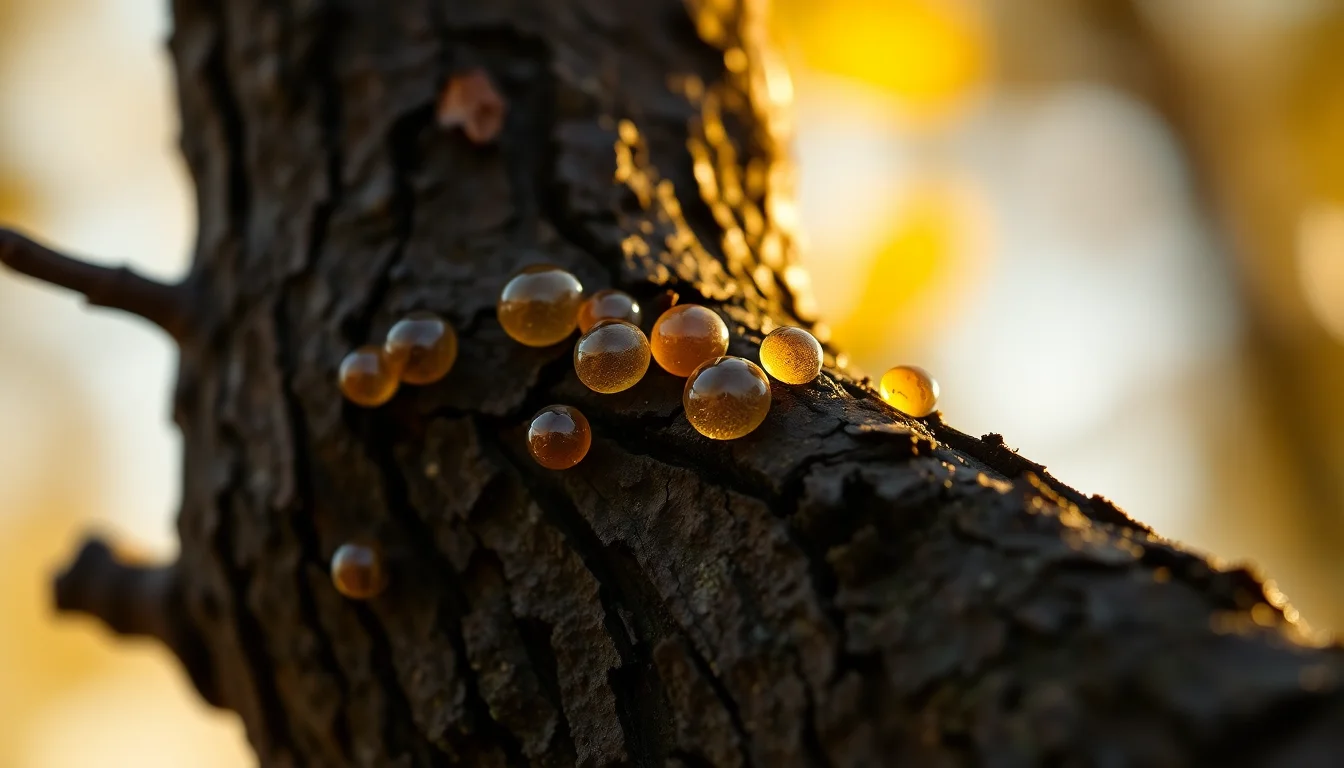
Protium pallidum, resin (CAS 475291-19-1) — Balsamic Base Note Fragrance Ingredient
Protium pallidum, resin
CAS 475291-19-1
What Is Protium pallidum, resin?
Protium pallidum resin is a rare aromatic resin sourced from tropical trees in South America. It appears in niche perfumery as a complex, woody-balsamic note. This ingredient matters for its rich, evolving scent profile that adds depth and natural warmth to fragrances, particularly those with amber or leather accords.
Safety Profile
USE WITH AWARENESSWhat Does Protium pallidum, resin Smell Like?
The resin exudes a warm, enveloping aroma that begins with sharp terpenic top notes reminiscent of crushed pine needles and citrus peel. As it develops, the heart reveals a honeyed sweetness with facets of dried figs and maple syrup. The dry-down is profoundly balsamic – think aged leather libraries with whispers of church incense and vanilla-soaked cedarwood. Unlike common elemi or frankincense, this resin maintains a distinctive earthy-amber character throughout its evolution.
In Famous Fragrances
Fragrance associations may not reflect actual formulations.
Used as a sustainable alternative to traditional balsams, contributing a humid rainforest depth that contrasts with the fragrance’s bright top notes.
Provides the resinous backbone that bridges spicy top notes and vanillic base, creating a continuously evolving incense accord.
Chemistry, Properties & Perfumer Guide
The Chemistry
Protium pallidum resin consists primarily of triterpenoid compounds including α-amyrin and β-amyrin, along with sesquiterpenes like δ-cadinene. The resin’s complex chemistry results from the tree’s defense mechanisms, producing a mix of volatile and non-volatile compounds. Extraction typically involves scoring the tree bark and collecting the exuded resin, which is then purified through solvent extraction or steam distillation for perfumery use.
Physical & Chemical Properties
| Appearance | Yellow-brown viscous resin |
|---|---|
| Solubility | Soluble in alcohol, insoluble in water |
Perfumer Guide
| Application | Typical % | Range | Notes |
|---|---|---|---|
| Fine Fragrance | 0.5-2% | Up to 5% | Used as balsamic fixative |
| Home Fragrance | 1-3% | Up to 8% | Adds resinous depth to candles |
Classic Accords
Tip: Warm slightly before blending to improve solubility in alcohol bases.
Alternatives & Comparisons
Offers similar terpenic brightness but lacks the deep balsamic character, better for citrus-forward compositions.
Safety, Regulatory & Sustainability
⚠ Regulatory Disclaimer
General reference only. Consult current IFRA Standards Library before formulating.
IFRA Status
No current IFRA restrictions. Listed on inventory with no usage limits.
RIFM Assessment
Under evaluation pending additional compositional data.
Sustainability
Sustainably harvested through traditional tapping methods that don’t harm trees. Limited geographic range requires careful supply chain management. Current production meets demand without overexploitation.
Explore Protium pallidum, resin
Browse essential oils and aroma compounds.
Browse on iHerb →Affiliate disclosure: we may earn a small commission at no extra cost to you.
References
- Maia et al. (2012). Chemical composition of Protium pallidum resin. Flavour and Fragrance Journal.
Data: PubChem (NIH), PubMed, RIFM, IFRA. Last reviewed: Apr 2026.
Report a data errorIngredient Data Sheet
CAS 475291-19-1Physical data: PubChem (NIH/NLM), U.S. EPA CompTox Dashboard, EPA OPERA models, RDKit. Odor & flavor: Arctander (Perfume & Flavor Chemicals), Fenaroli's Handbook of Flavor Ingredients, Leffingwell. Thresholds: van Gemert (Compilations of Odour Threshold Values). Regulatory: IFRA Standards 51st, FEMA GRAS. Trade names: Surburg (Common Fragrance & Flavor Materials). All data compiled and cross-referenced for perfumertools.com.
Related Research
- 3-Cyclohexene-1-carboxaldehyde, 1-ethenyl- (CAS 1049017-63-1) — Green Top to middle Note Fragrance Ingredient
- Cyclohexyl methyl pentanone (CAS 4927-39-3) — Woody Middle Note Fragrance Ingredient
- Thibetolide (CAS 6707-60-4) — Musky Base Note Fragrance Ingredient
- Butyl stearate (CAS 123-95-5) — Woody N/A Note Fragrance Ingredient



![[1.alpha.(E),2.beta.]-1-(2,6,6-Trimethyl-3-cyclohexen-1-yl)-2-buten-1-one (CAS 71048-82-3) — Woody Middle to base Note Fragrance Ingredient](https://thegoodscents.company/wp-content/uploads/2026/04/1-alpha-1-1-768x439.webp)