Saffron absolute (CAS 8022-19-3) — Sweet Heart to base Note Fragrance Ingredient
Saffron absolute
CAS 8022-19-3
What Is Saffron absolute?
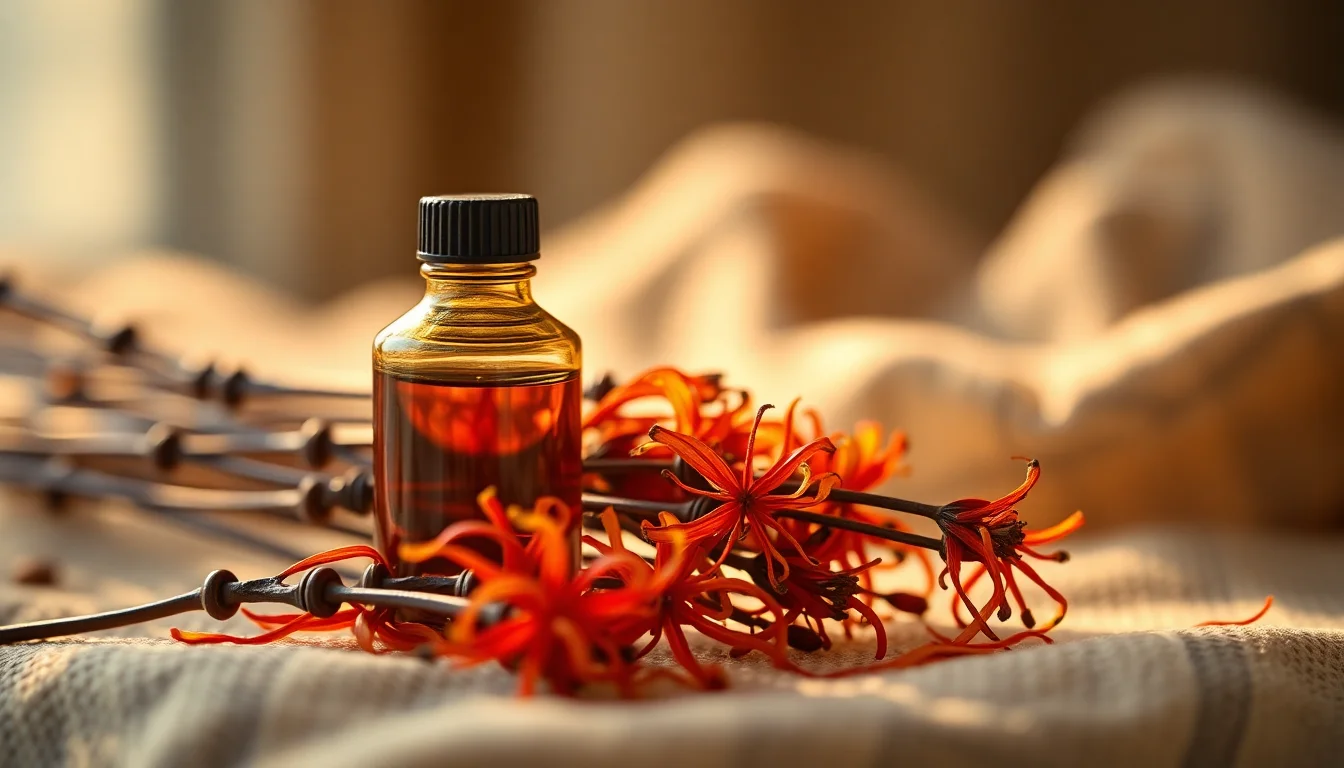
Saffron absolute is a luxurious fragrance ingredient extracted from the stigmas of Crocus sativus flowers. It’s encountered in high-end perfumes, gourmet foods, and traditional medicines. This golden-red essence carries the prestige of being one of the world’s most expensive spices. Saffron’s scent matters because it adds unparalleled depth and opulence to fragrances. Its rarity and complex aroma profile make it a prized ingredient for creating rich, exotic compositions that evoke warmth and sophistication.
Safety Profile
USE WITH AWARENESSWhat Does Saffron absolute Smell Like?
Saffron absolute unfolds with an intoxicating, honeyed metallic warmth reminiscent of sun-baked hay and antique leather. The initial burst carries a slightly medicinal, iodine-like sharpness that quickly mellows into velvety plum-like fruitiness. At its heart lies a complex interplay of earthy, tobacco-like richness with floral undertones of dried rose petals. The dry-down reveals a lingering sweet-woody character with whispers of ambergris and moist tobacco leaves. This precious material behaves like liquid gold in perfumery—adding weight, radiance, and an almost tangible texture to compositions.
In Famous Fragrances
Fragrance associations may not reflect actual formulations.
Showcases saffron’s gourmand facets paired with rose and vanilla, creating a hypnotic, spicy-sweet veil. The absolute provides a luminous golden glow that prevents the composition from becoming overly heavy.
Uses saffron’s medicinal edge as a bold opening act, contrasting it with leather and woody notes. The absolute’s complexity allows it to bridge the fragrance’s polar elements seamlessly.
Employs saffron to add warmth and texture to the ambergris-amber accord. Its subtle metallic facet enhances the fragrance’s signature mineral-like transparency.
Uses saffron as a radiant top note to lift the dense woody composition. The absolute’s honeyed aspects complement the citrus opening while transitioning smoothly to the heart.
Highlights saffron’s woody potential by pairing it with guaiac wood. The absolute’s earthy facets ground the fragrance while its floral undertones add sophistication.
Chemistry, Properties & Perfumer Guide
The Chemistry
Saffron absolute contains over 150 volatile compounds, with safranal (70-80% of volatiles) responsible for its characteristic aroma. This degradation product of picrocrocin forms during drying of the stigmas. Other key constituents include 2-hydroxy-4,4,6-trimethyl-2,5-cyclohexadien-1-one (HTCC) and various carotenoid derivatives. The absolute is obtained through solvent extraction of dried stigmas, typically yielding just 0.5-1% of raw material weight. Unlike saffron oil, the absolute retains non-volatile components that contribute to its exceptional tenacity and texture in perfumery.
Physical & Chemical Properties
| Appearance | Viscous orange-red liquid |
|---|---|
| Solubility | Soluble in alcohol, oils; insoluble in water |
Perfumer Guide
| Application | Typical % | Range | Notes |
|---|---|---|---|
| Fine Fragrance | 0.1-0.5% | Up to 1% | Powerful modifier |
| Home Fragrance | 0.01-0.1% | Up to 0.2% | Cost prohibitive for most applications |
| Luxury Cosmetics | 0.05-0.3% | Up to 0.5% | Adds prestige value |
| Gourmand Accords | 0.2-1% | Up to 2% | Enhances vanilla, honey notes |
Classic Accords
Tip: Use minute quantities and allow 48 hours for the absolute to fully integrate with other materials.
Alternatives & Comparisons
Synthetic alternative with similar leathery-saffron character but lacks the honeyed depth. Useful when cost or allergen concerns prohibit natural saffron use.
Reconstituted base combining safranal with supporting notes. More affordable but loses the absolute’s natural complexity and diffusion.
Full-spectrum extraction with different balance of constituents. Often brighter and more floral than traditional absolutes.
Safety, Regulatory & Sustainability
⚠ Regulatory Disclaimer
General reference only. Consult current IFRA Standards Library before formulating.
IFRA Status
No IFRA restrictions. Considered safe at typical usage levels (IFRA 49th Amendment).
EU Allergen Declaration
Not listed in EU allergen regulations.
RIFM Assessment
RIFM assessment confirms safe use in current practices. No significant phototoxicity or sensitization concerns at recommended levels.
Sustainability
Saffron cultivation requires intensive labor—approximately 150,000 flowers yield 1kg of dried stigmas. Sustainable sourcing initiatives focus on fair wages for harvesters and organic farming methods to protect soil quality. Most perfumery-grade absolute comes from Iran, Spain, and Kashmir. Synthetic alternatives reduce pressure on natural supplies but cannot replicate the absolute’s full complexity. Some producers are developing cell culture methods for sustainable production of key constituents.
Explore Saffron absolute
Browse essential oils and aroma compounds.
Browse on iHerb →Affiliate disclosure: we may earn a small commission at no extra cost to you.
References
- Carmona et al. (2006). Saffron: Color, Flavor and Texture. Food Reviews International. DOI: 10.1080/87559120600694661
- ISO 3632-1:2011. Saffron (Crocus sativus L.) ISO Standard
- Gohari et al. (2013). Saffron: An Updated Review. Pharmacognosy Reviews. PMC3731881
Data: PubChem (NIH), PubMed, RIFM, IFRA. Last reviewed: Apr 2026.
Report a data errorIngredient Data Sheet
CAS 8022-19-3Physical data: PubChem (NIH/NLM), U.S. EPA CompTox Dashboard, EPA OPERA models, RDKit. Odor & flavor: Arctander (Perfume & Flavor Chemicals), Fenaroli's Handbook of Flavor Ingredients, Leffingwell. Thresholds: van Gemert (Compilations of Odour Threshold Values). Regulatory: IFRA Standards 51st, FEMA GRAS. Trade names: Surburg (Common Fragrance & Flavor Materials). All data compiled and cross-referenced for perfumertools.com.
Related Research
- 3,5,6,6-Tetramethyl-4-methyleneheptan-2-ol (CAS 81787-06-06) — Woody Middle to Base Note Fragrance Ingredient
- Eugenol (CAS 97-53-0) — Spicy Top Note Fragrance Ingredient
- 4-Hexen-1-ol, 5-methyl-2-(1-methylethenyl)- (CAS 58461-27-1) — Green Top to middle Note Fragrance Ingredient
- 4,8-Cyclododecadien-1-one (CAS 15229-79-5) — Woody Base Note Fragrance Ingredient