Wormwood oil, terpeneless (CAS 73138-77-9) — Green Middle Note Fragrance Ingredient
Wormwood oil, terpeneless
CAS 73138-77-9
What Is Wormwood oil, terpeneless?
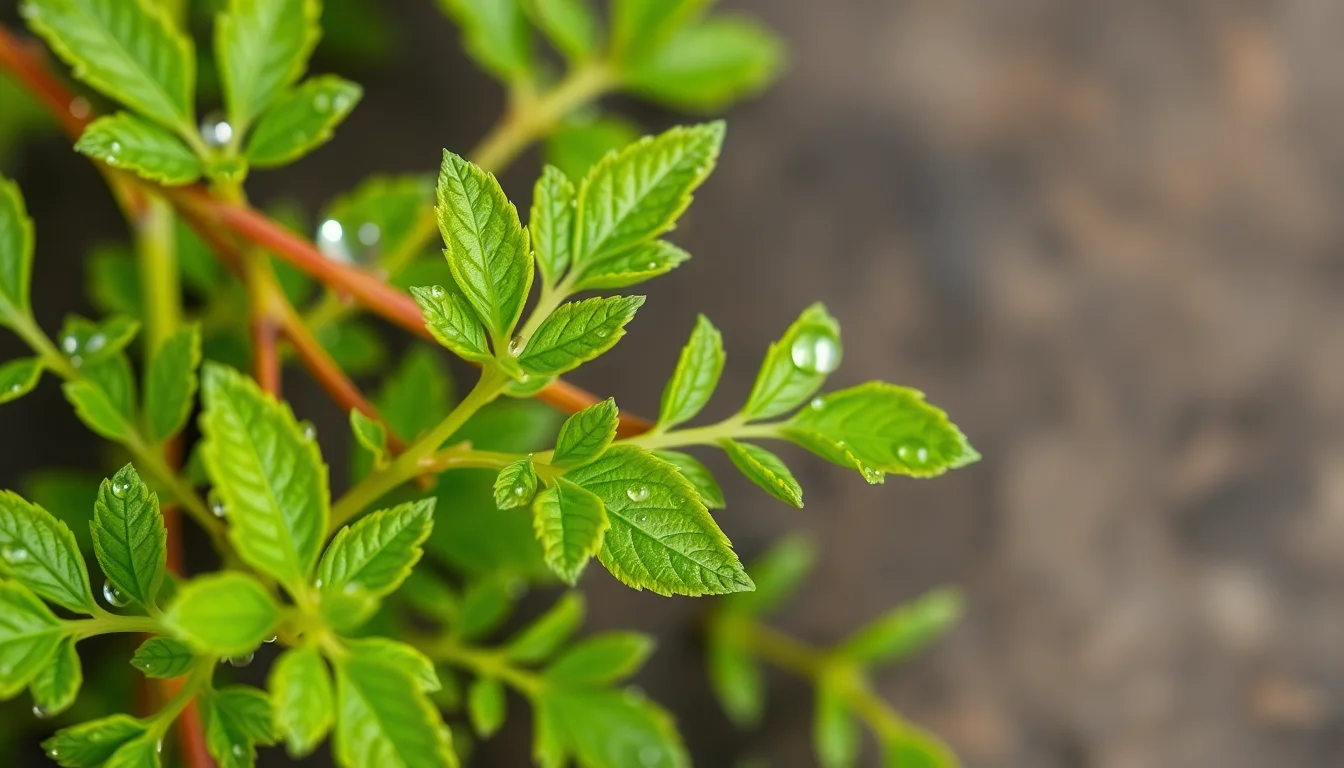
Wormwood oil, terpeneless is a concentrated version of wormwood essential oil with certain terpenes removed. It’s found in niche perfumes and herbal liqueurs like absinthe. This processing creates a smoother, more versatile aromatic profile compared to raw wormwood oil.
Safety Profile
USE WITH AWARENESSWhat Does Wormwood oil, terpeneless Smell Like?
Terpeneless wormwood oil unfolds with a crisp, bitter-herbal opening reminiscent of crushed sage leaves and damp forest undergrowth. The mid-phase reveals a complex interplay of camphoraceous coolness and subtle floral undertones, like chamomile tea steeping in a cedar box. Dry-down brings forth a refined woody-balsamic character with whispers of dried tobacco and distant incense.
In Famous Fragrances
Fragrance associations may not reflect actual formulations.
Uses terpeneless wormwood oil for its smooth herbal bite without harshness, creating a modern interpretation of absinthe’s narcotic green fairy mythology.
Incorporates terpeneless wormwood as a dry, aromatic counterpoint to amber notes, evoking sun-baked Moroccan herbs.
Chemistry, Properties & Perfumer Guide
The Chemistry
Terpeneless wormwood oil is produced through fractional distillation or solvent extraction of Artemisia absinthium oil, selectively removing monoterpenes like α-pinene and β-pinene while retaining sesquiterpenes and oxygenated compounds. This concentrates thujone isomers (α- and β-thujone) while reducing volatility. The process enhances solubility in alcohol bases and improves stability in formulations.
Physical & Chemical Properties
| Appearance | Pale yellow to greenish liquid |
|---|---|
| Solubility | Soluble in alcohol and oils |
Perfumer Guide
| Application | Typical % | Range | Notes |
|---|---|---|---|
| Fine Fragrance | 0.5-2% | Up to 3% | Used for herbal-aromatic accents |
| Functional Fragrance | 0.1-0.5% | Up to 1% | Restricted due to thujone content |
Classic Accords
Tip: Balance with sweet materials like vanillin to counteract excessive bitterness.
Alternatives & Comparisons
Offers similar herbal-fruity complexity without thujone restrictions, though lacks wormwood’s distinctive bitterness.
Safety, Regulatory & Sustainability
⚠ Regulatory Disclaimer
General reference only. Consult current IFRA Standards Library before formulating.
IFRA Status
Restricted under IFRA 49th Amendment (thujone content). Maximum 0.25% in leave-on products.
GHS Classification
RIFM Assessment
RIFM assessment confirms safe use at IFRA-restricted levels.
Sustainability
Wildcrafted Artemisia absinthium faces sustainability challenges due to habitat loss. Some producers now cultivate wormwood specifically for oil production to reduce ecological impact. Terpeneless processing increases yield efficiency by utilizing fractions that would otherwise be discarded.
Explore Wormwood oil, terpeneless
Browse essential oils and aroma compounds.
Browse on iHerb →Affiliate disclosure: we may earn a small commission at no extra cost to you.
References
- Lachenmeier DW (2010). Thujone – Cause of absinthism? Forensic Science International. PMID 19850497
Data: PubChem (NIH), PubMed, RIFM, IFRA. Last reviewed: Apr 2026.
Report a data error