Ylang ylang oil, terpeneless (CAS 68952-44-3) — Floral Heart Note Fragrance Ingredient
Ylang ylang oil, terpeneless
CAS 68952-44-3
What Is Ylang ylang oil, terpeneless?
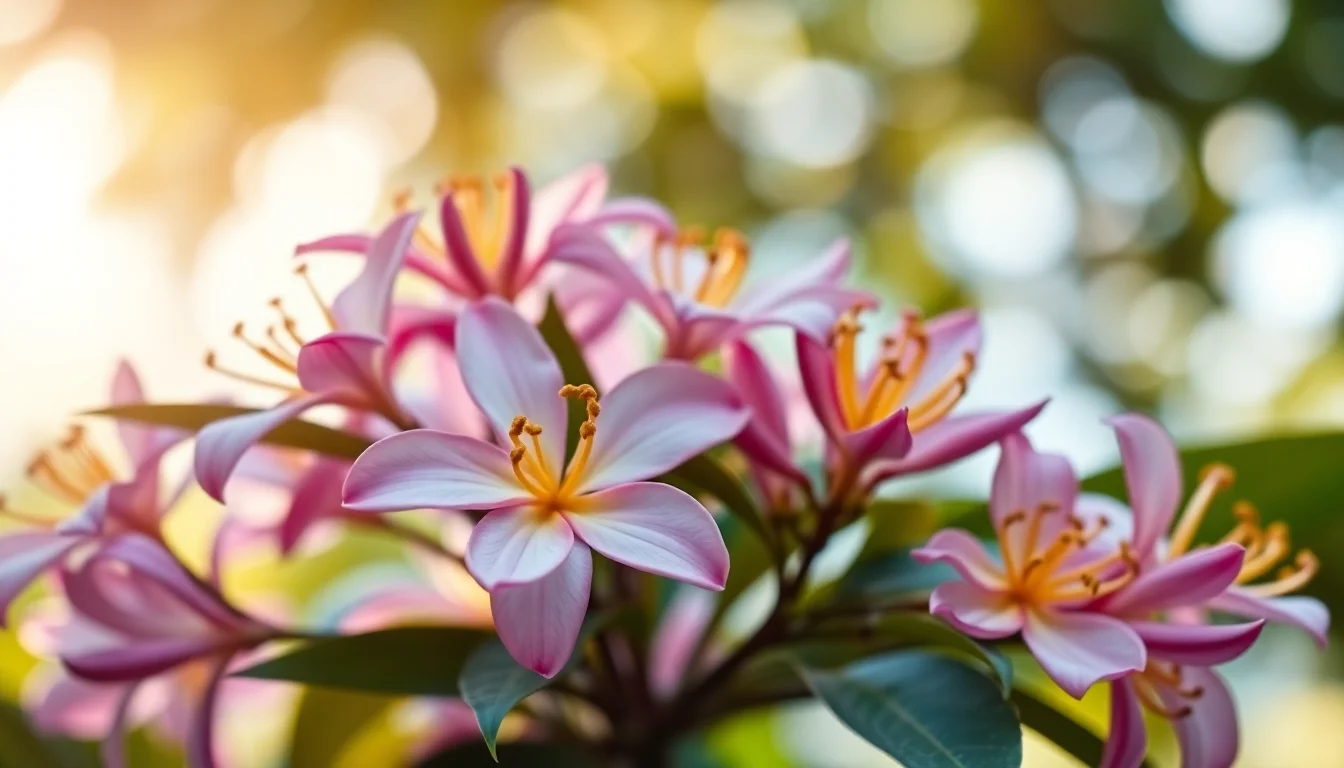
Ylang ylang oil, terpeneless is a refined version of traditional ylang ylang essential oil, commonly encountered in luxury perfumes and spa products. The terpenes are removed to create a smoother, more floral scent profile without the sharp top notes. This matters because it allows perfumers to use ylang ylang’s rich floral character without overwhelming a fragrance composition, making it ideal for delicate floral bouquets and oriental accords.
Safety Profile
GENERALLY SAFEWhat Does Ylang ylang oil, terpeneless Smell Like?
Terpeneless ylang ylang oil unfolds like a tropical sunset – initial lush sweetness reminiscent of banana and jasmine gives way to a velvety floral heart with narcotic undertones. The dry-down reveals a creamy, slightly powdery character with whispers of custard and rubbery complexity. Unlike regular ylang, the terpeneless version lacks the green-camphoraceous edge, presenting a more linear but intensely floral profile that lingers close to the skin for hours.
In Famous Fragrances
Fragrance associations may not reflect actual formulations.
Used for its smooth floralcy that bridges the aldehydic top to jasmine heart without introducing harshness.
Provides tropical floral depth alongside tuberose and jasmine in this legendary floral bouquet.
Modern floralcy enhanced by terpeneless ylang’s creamy sweetness without distracting green notes.
Contributes to the hypnotic floral-sandalwood accord with its narcotic floral character.
Adds exotic floral warmth to the dark chocolate and truffle base notes.
Chemistry, Properties & Perfumer Guide
The Chemistry
Terpeneless ylang ylang oil is produced through molecular distillation or solvent extraction of Cananga odorata flowers, selectively removing monoterpenes like pinene and limonene. This concentrates oxygenated sesquiterpenes and esters such as benzyl acetate and linalool. The process eliminates approximately 30% of volatile terpenes while preserving key floral constituents. Unlike fractionated ylang, terpeneless retains the full spectrum of floral compounds but with reduced volatility and increased solubility in alcohol bases.
Physical & Chemical Properties
| Appearance | Pale yellow viscous liquid |
|---|---|
| Solubility | Soluble in alcohol and oils |
Perfumer Guide
| Application | Typical % | Range | Notes |
|---|---|---|---|
| Fine Fragrance | 1-3% | 0.5-5% | Floral heart note modifier |
| Soap | 0.2-0.5% | Up to 1% | Adds floral depth |
| Candles | 0.5-1% | Up to 2% | Good heat stability |
| Massage Oils | 0.1-0.3% | Up to 0.5% | Skin-safe dilution |
Classic Accords
Tip: Use to soften harsh floral bases while adding tropical richness without terpene interference.
Alternatives & Comparisons
For more complex floralcy with green-terpenic facets when a fuller profile is desired.
When only the sweet jasmine-like facet is needed without ylang’s complexity.
More affordable option with similar floral character but stronger terpenic notes.
Safety, Regulatory & Sustainability
⚠ Regulatory Disclaimer
General reference only. Consult current IFRA Standards Library before formulating.
IFRA Status
No restrictions under IFRA standards. Contains naturally occurring allergens below declaration limits.
EU Allergen Declaration
Contains benzyl benzoate (CAS 120-51-4) which requires declaration above 0.001% in leave-on products.
RIFM Assessment
RIFM assessment confirms safety at current use levels in fragrance applications.
Sustainability
Sourcing from sustainable plantations in Comoros and Madagascar helps preserve wild trees. The terpeneless process reduces waste by utilizing terpene fractions in other products. Carbon footprint is higher than regular ylang due to additional processing steps.
Explore Ylang ylang oil, terpeneless
Browse essential oils and aroma compounds.
Browse on iHerb →Affiliate disclosure: we may earn a small commission at no extra cost to you.
References
- Lawless, J. (1995). The Illustrated Encyclopedia of Essential Oils. Element Books.
- Bauer, K. et al. (2001). Common Fragrance and Flavor Materials. Wiley-VCH.
- Arctander, S. (1960). Perfume and Flavor Materials of Natural Origin.
Data: PubChem (NIH), PubMed, RIFM, IFRA. Last reviewed: Apr 2026.
Report a data errorRelated Research
- 4-tert-Butylcyclohexanol (CAS 98-52-2) — Woody Middle to base Note Fragrance Ingredient
- Szechuan pepper oil (bungeanum) (CAS 2892332-09-9) — Spicy Top to middle Note Fragrance Ingredient
- 2-Hexenal (CAS 16635-54-4) — Top Note Fragrance Ingredient
- Methyl 4(or 1)-isopropyl-1(or 4)-methylbicyclo[2.2.2]oct-5-ene-2-carboxylate (CAS 68966-86-9) — Green Middle Note Fragrance Ingredient

![Poly(oxy-1,2-ethanediyl),alpha-[(1,1,3,3-tetramethylbutyl)phenyl]-omega-hydroxy- (CAS 9036-19-5) — Citrus Non-volatile Note Fragrance Ingredient](https://thegoodscents.company/wp-content/uploads/2026/04/poly-23-768x439.webp)