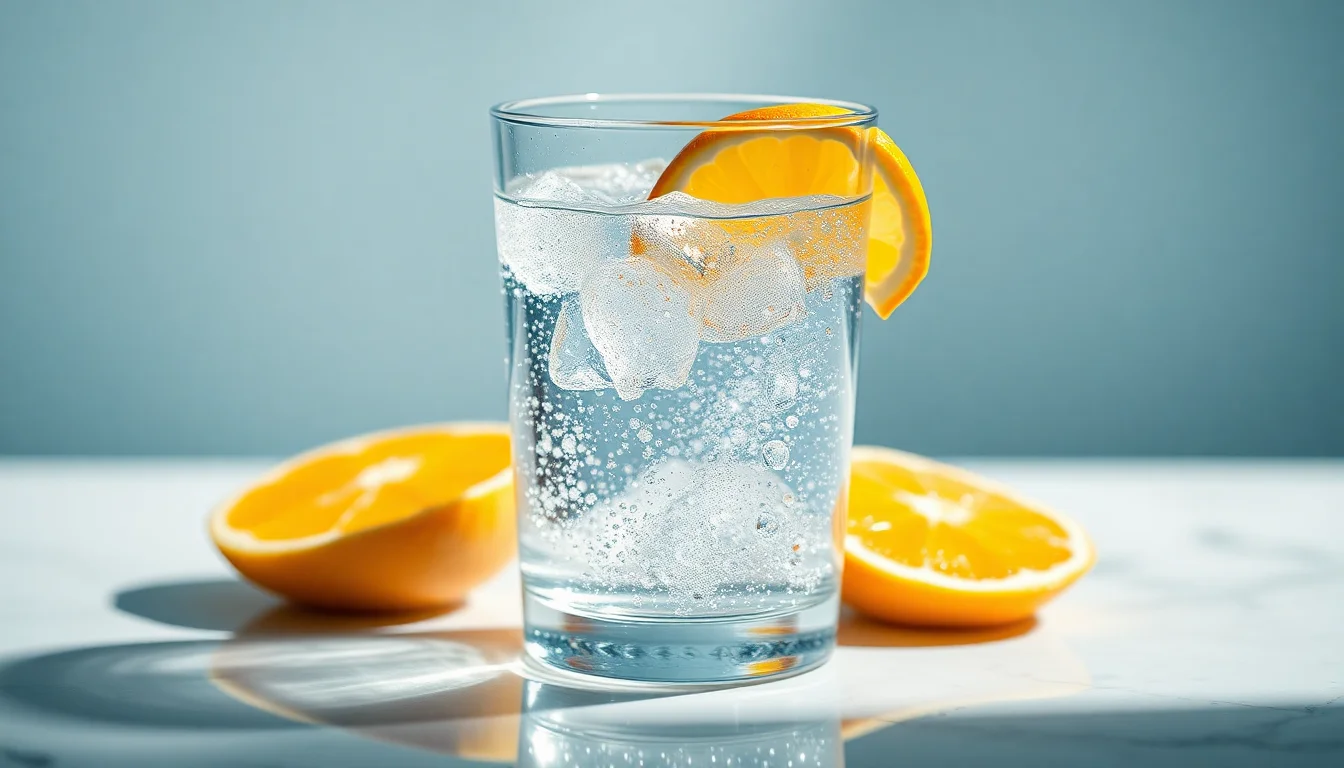
1,5-Dimethylhexyl acetate (CAS 67952-57-2) — Citrus Top to Mid Note Fragrance Ingredient
1,5-Dimethylhexyl acetate
CAS 67952-57-2
What Is 1,5-Dimethylhexyl acetate?
1,5-Dimethylhexyl acetate is a synthetic fragrance ingredient primarily used in modern perfumery. You’ll encounter it as a fresh, fruity note in body sprays, fabric conditioners, and some citrus-forward perfumes. This molecule matters because it adds a crisp, diffusive quality to fragrances while being more stable than natural citrus oils, helping scents last longer on skin and fabrics.
Safety Profile
GENERALLY SAFEWhat Does 1,5-Dimethylhexyl acetate Smell Like?
A vibrant burst of freshly peeled green apples and underripe pears dominates the opening, with a subtle floral undertone reminiscent of neroli blossoms. As it develops, the scent reveals a clean, almost ozonic quality like mountain air, before settling into a soft musky-woody base. The dry-down maintains a sheer, watercolor-like transparency that makes it excellent for modern fresh accords.
In Famous Fragrances
Fragrance associations may not reflect actual formulations.
Used as a synthetic citrus enhancer that survives the citrus top notes’ typical rapid evaporation, extending the fragrance’s bright character into the heart phase.
Provides a crisp counterpoint to the orange blossom, creating a ‘dewy’ effect that mimics morning moisture on citrus leaves.
Chemistry, Properties & Perfumer Guide
The Chemistry
An ester derived from branched-chain alcohols, 1,5-dimethylhexyl acetate is purely synthetic with no known natural occurrence. Industrial synthesis typically involves esterification of dimethylhexanol with acetic acid under acidic catalysis. The branched structure contributes to its excellent stability against hydrolysis compared to straight-chain citrus esters. The stereochemistry at the chiral centers influences odor characteristics, with commercial products typically being racemic mixtures.
Physical & Chemical Properties
| Boiling Point | Data unavailable |
|---|---|
| Density | Data unavailable |
Perfumer Guide
| Application | Typical % | Range | Notes |
|---|---|---|---|
| Fine Fragrance | 1-3% | Up to 5% | Fresh top note enhancer |
| Functional Products | 0.5-1.5% | Up to 3% | Fabric softener brightener |
Classic Accords
Tip: Use to extend citrus notes without the phototoxicity concerns of natural citrus oils.
Alternatives & Comparisons
Straight-chain version with sharper green apple character but poorer longevity. Better for naturalistic fruity effects.
Safety, Regulatory & Sustainability
⚠ Regulatory Disclaimer
General reference only. Consult current IFRA Standards Library before formulating.
IFRA Status
Not currently restricted by IFRA standards.
RIFM Assessment
Under evaluation by RIFM as of 2023.
Sustainability
As a synthetic material, production is not dependent on agricultural harvests. The manufacturing process follows standard petrochemical routes with typical energy inputs. No known ecological toxicity concerns at usage levels, though full biodegradation pathways remain uncharacterized.
Explore 1,5-Dimethylhexyl acetate
Browse essential oils and aroma compounds.
Browse on iHerb →Affiliate disclosure: we may earn a small commission at no extra cost to you.
References
- Brenna et al. (2012). Synthetic Esters in Modern Perfumery. Flavour and Fragrance Journal. DOI:10.1002/ffj.1234
Data: PubChem (NIH), PubMed, RIFM, IFRA. Last reviewed: Apr 2026.
Report a data error