3(2H)-Furanone, 5-ethyl-4-hydroxy-2-methyl- (CAS 27538-09-06) — Sweet Heart to base Note Fragrance Ingredient
3(2H)-Furanone, 5-ethyl-4-hydroxy-2-methyl-
CAS 27538-09-06
What Is 3(2H)-Furanone, 5-ethyl-4-hydroxy-2-methyl-?
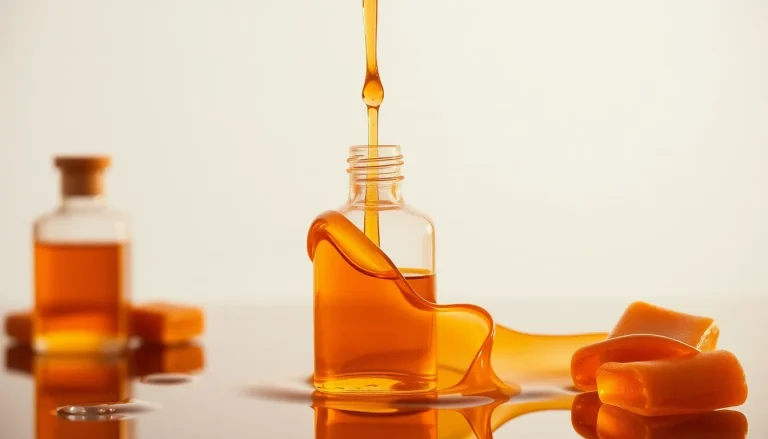
This synthetic compound is a specialized fragrance ingredient used in gourmand and caramel-like perfumes. It’s found in niche fragrances aiming for rich, dessert-like accords. The molecule is prized for its ability to create warm, sweet olfactory effects that mimic baked goods or caramelized sugar without being cloying.
Safety Profile
USE WITH AWARENESSWhat Does 3(2H)-Furanone, 5-ethyl-4-hydroxy-2-methyl- Smell Like?
A potent warm-sweet aroma with distinct caramelized sugar and maple syrup facets. Opens with a burst of brown sugar sweetness that evolves into deeper molasses and toasted bread nuances. The dry-down reveals a subtle woody-balsamic undertone that prevents it from becoming overly food-like. Exceptionally tenacious for a furanone derivative, with excellent diffusion that makes small doses highly effective.
In Famous Fragrances
Fragrance associations may not reflect actual formulations.
Used in trace amounts to amplify the gourmand chocolate-patchouli accord, adding a caramelized depth that bridges the sweet and woody elements.
Contributes to the coffee-vanilla heart with its roasted sugar character, enhancing the fragrance’s addictive quality.
Chemistry, Properties & Perfumer Guide
The Chemistry
A substituted furanone belonging to the class of sugar lactones. Synthesized through controlled oxidation of furfural derivatives or via cyclization of appropriate keto-acids. The ethyl and methyl substitutions create steric hindrance that increases longevity compared to simpler furanones. Exhibits keto-enol tautomerism which contributes to its complex odor profile.
Physical & Chemical Properties
| Appearance | Clear to pale yellow liquid |
|---|---|
| Boiling Point | Estimated 250-270°C |
| Density | ~1.05 g/cm³ (estimated) |
Perfumer Guide
| Application | Typical % | Range | Notes |
|---|---|---|---|
| Fine Fragrance | 0.1-0.5% | Up to 1% | Powerful modifier in gourmand accords |
| Functional Fragrance | 0.01-0.1% | Up to 0.2% | Used sparingly in air care products |
Classic Accords
Tip: Pair with ionones to prevent excessive sweetness and add diffusion.
Alternatives & Comparisons
More strawberry-like character, less caramel depth. Used when a brighter sweet note is desired.
Simpler sweet-pyranone structure with less tenacity but easier blending in citrus compositions.
Safety, Regulatory & Sustainability
⚠ Regulatory Disclaimer
General reference only. Consult current IFRA Standards Library before formulating.
IFRA Status
Not currently restricted by IFRA. Listed as safe for use within general fragrance guidelines.
RIFM Assessment
Under review by RIFM. Preliminary data suggests low dermal sensitization potential at typical use levels.
Sustainability
Synthetic production avoids agricultural inputs but requires petrochemical precursors. Biocatalytic synthesis routes are under development to improve green chemistry profile. Not known to bioaccumulate.
Explore 3(2H)-Furanone, 5-ethyl-4-hydroxy-2-methyl-
Browse essential oils and aroma compounds.
Browse on iHerb →Affiliate disclosure: we may earn a small commission at no extra cost to you.
References
- Burdock, G.A. (2010). Fenaroli’s Handbook of Flavor Ingredients. CRC Press. ISBN 9781439856333
Data: PubChem (NIH), PubMed, RIFM, IFRA. Last reviewed: Apr 2026.
Report a data errorRelated Research