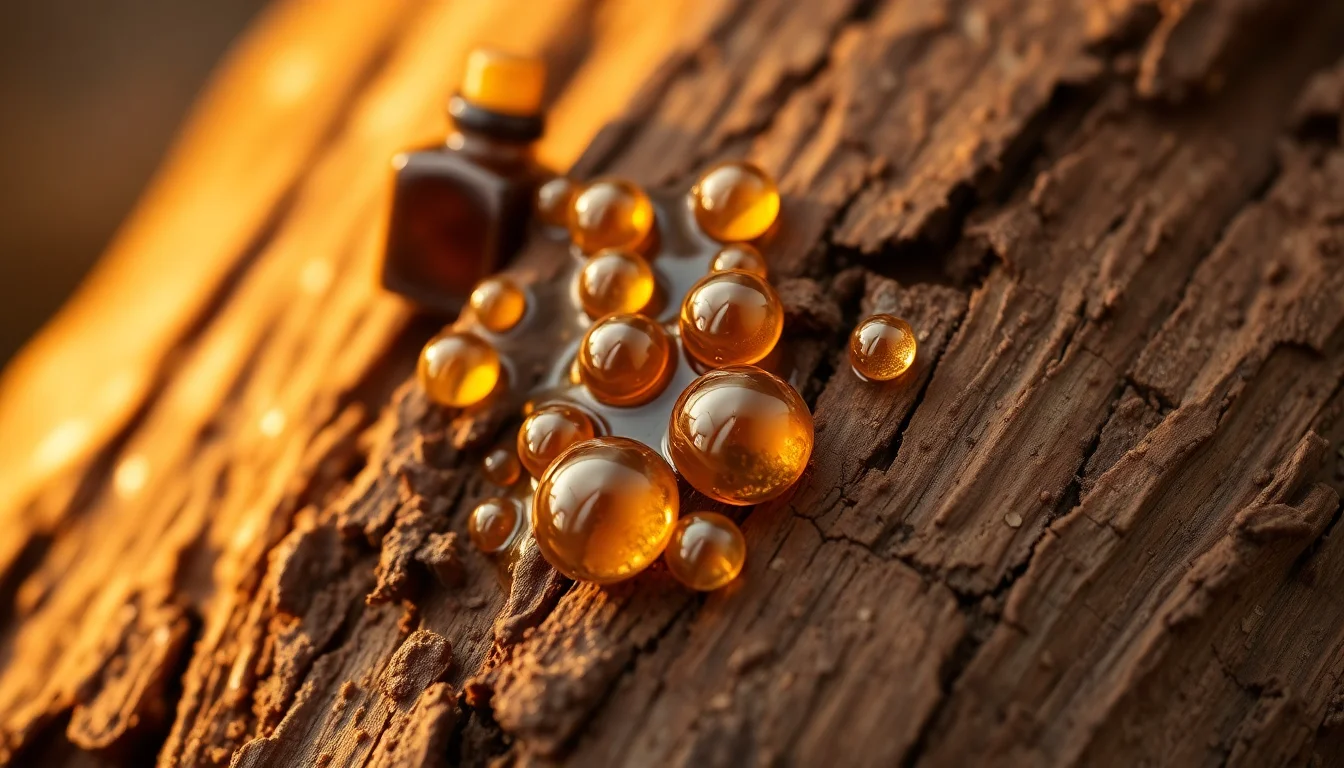
Benzoin absolute (CAS 9000-72-0) — Balsamic Base Note Fragrance Ingredient
Benzoin absolute
CAS 9000-72-0
What Is Benzoin absolute?
Benzoin absolute is a warm, vanilla-like resin obtained from the bark of Styrax trees. You’ll encounter it in oriental perfumes, incense, and some skincare products. This ingredient matters because it adds depth and longevity to fragrances while providing a comforting, slightly sweet aroma that evolves beautifully over time.
Safety Profile
GENERALLY SAFEWhat Does Benzoin absolute Smell Like?
Benzoin absolute unfolds like liquid amber – initially sharp with a medicinal edge that quickly mellows into rich, balsamic warmth. The top note carries faintly phenolic, almost smoky undertones that give way to a heart of sweet vanilla and caramelized sugar. As a base note, it lingers for hours as a creamy, slightly powdery embrace reminiscent of antique wooden chests lined with vanilla pods. When diluted, it reveals hidden facets of dried fruits and honeyed tobacco.
Scent Profile
In Famous Fragrances
Fragrance associations may not reflect actual formulations.
Forms the warm, powdery base that balances Shalimar’s citrus and leather, creating its legendary oriental character.
Provides resinous depth and longevity to this spicy oriental masterpiece.
Enhances the amber accord with benzoin’s vanilla-like sweetness and fixative properties.
Softens the tobacco with benzoin’s balsamic warmth in this classic leather fragrance.
Adds a creamy, powdery facet to the woody-vanilla drydown.
Chemistry, Properties & Perfumer Guide
The Chemistry
Benzoin absolute is obtained through solvent extraction of Styrax benzoin resin, primarily containing cinnamic acid esters and vanillin derivatives. The Southeast Asian variety (S. tonkinensis) differs chemically from Sumatran (S. benzoin), with higher coniferyl benzoate content. Key aromatic compounds include benzyl cinnamate (60-70%), benzoic acid (10-20%), and traces of vanillin. The extraction process preserves resinous components that distillation would destroy, yielding a thicker, more complex material than benzoin resinoid.
Chemical Composition
Physical & Chemical Properties
| Appearance | Viscous brown liquid |
|---|---|
| Solubility | Soluble in alcohol, insoluble in water |
Key Constituent Properties
| Constituent | CAS | MW | BP °C | XLogP | Vapor P. |
|---|---|---|---|---|---|
| Benzyl cinnamate | 103-41-3 | 238.28 | 335 | 3.7 | 0.0001 mmHg |
| Benzoic acid | 65-85-0 | 122.12 | 249 | 1.9 | 0.16 mmHg |
Perfumer Guide
| Application | Typical % | Range | Notes |
|---|---|---|---|
| Fine Fragrance | 1-3% | Up to 5% | Base note fixative |
| Soaps | 0.5-1% | Up to 2% | Adds warmth |
| Candles | 2-4% | Up to 6% | Enhances throw |
Classic Accords
Tip: Combine with citrus top notes to create a sparkling contrast with benzoin’s deep sweetness.
Alternatives & Comparisons
Less viscous but similar profile, preferred for cleaner applications where absolute’s color might be problematic.
More cinnamon-like, used when deeper balsamic character is desired.
For pure sweet vanilla notes without benzoin’s resinous complexity.
Safety, Regulatory & Sustainability
⚠ Regulatory Disclaimer
General reference only. IFRA, REACH, EU Cosmetics Regulation standards update periodically. Consult current IFRA Standards Library before formulating. Not legal or regulatory advice.
IFRA Status
No IFRA restrictions (48th Amendment).
EU Allergen Declaration
Contains benzyl benzoate (CAS 120-51-4) which requires declaration above 0.001% in leave-on products.
GHS Classification
RIFM Assessment
RIFM safety assessment confirms safe use at current levels in fragrance.
Sustainability
Benzoin is sustainably harvested by making small cuts in Styrax trees, allowing continued resin production for decades. The solvent extraction process uses food-grade ethanol. Some concerns exist about deforestation in native habitats, making sustainable sourcing programs important. Synthetic alternatives exist but lack the depth of natural benzoin.
Explore Benzoin absolute
Browse essential oils and aroma compounds.
Browse on iHerb →Affiliate disclosure: we may earn a small commission at no extra cost to you.
References
- Bauer et al. (2001). Common Fragrance and Flavor Materials. Wiley-VCH. ISBN 978-3-527-30364-6
- Arctander S. (1960). Perfume and Flavor Materials of Natural Origin. Public Domain
Data: PubChem (NIH), PubMed, RIFM, IFRA. Last reviewed: Mar 2026.
Report a data errorIngredient Data Sheet
CAS 9000-72-0Physical data: PubChem (NIH/NLM), U.S. EPA CompTox Dashboard, EPA OPERA models, RDKit. Odor & flavor: Arctander (Perfume & Flavor Chemicals), Fenaroli's Handbook of Flavor Ingredients, Leffingwell. Thresholds: van Gemert (Compilations of Odour Threshold Values). Regulatory: IFRA Standards 51st, FEMA GRAS. Trade names: Surburg (Common Fragrance & Flavor Materials). All data compiled and cross-referenced for perfumertools.com.
Related Research
- Benzenesulfonic acid, 2,2'-[(9,10-dihydro-9,10-dioxo-1,4-anthracenediyl)diimino]bis[5-methyl-, sodium salt (1:2) (CAS 4403-90-1) — Citrus N/A Note Fragrance Ingredient
- 2-Hexen-1-ol, 3-methyl-, 1-acetate (CAS 341017-24-1) — Green Top to mid Note Fragrance Ingredient
- Exaltolide (CAS 0106-02-05) — Musky Top Note Fragrance Ingredient
- 2-Methyl-2-pentenal (CAS 623-36-9) — Green Top Note Fragrance Ingredient