Champaca absolute (CAS 8006-76-6) — Floral Heart Note Fragrance Ingredient
Champaca absolute
CAS 8006-76-6
What Is Champaca absolute?
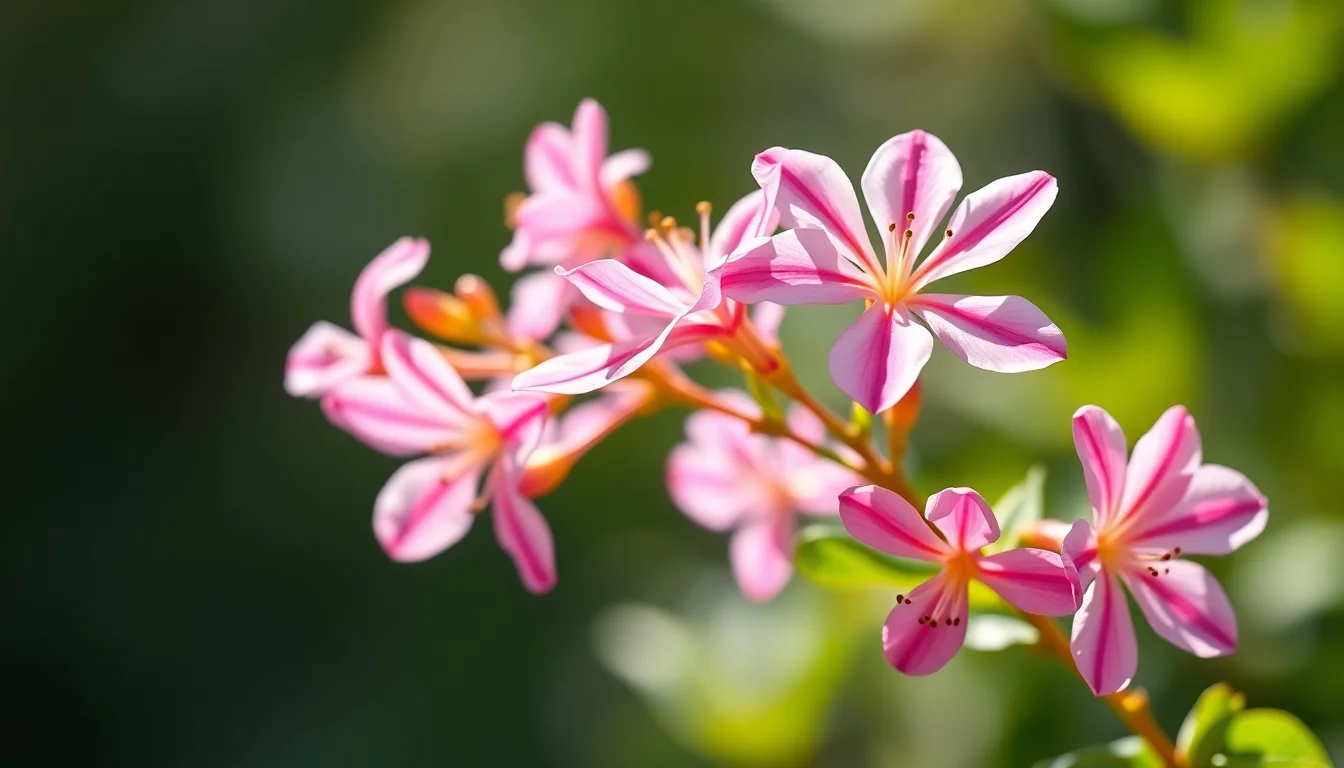
Champaca absolute is a luxurious floral extract from the golden-yellow blossoms of the Michelia champaca tree, native to Southeast Asia. It’s prized in high-end perfumery and traditional incense. This rare ingredient matters because it offers an unparalleled tropical floral character – more complex than jasmine yet more delicate than ylang-ylang, making it a coveted ‘secret weapon’ for perfumers crafting opulent floral compositions.
Safety Profile
GENERALLY SAFEWhat Does Champaca absolute Smell Like?
Champaca absolute unfolds like a tropical sunset – initial bursts of juicy apricot and ripe banana give way to its heart: an intoxicating floral bouquet where tea roses dance with magnolia petals, all dusted with cinnamon-like spice. The dry-down reveals creamy sandalwood undertones and a lingering honeyed sweetness that lasts for hours. Unlike other tropical florals, champaca maintains an elegant transparency rather than becoming cloying, with a subtle green stemminess that keeps it fresh.
In Famous Fragrances
Fragrance associations may not reflect actual formulations.
Showcases champaca’s golden floralcy paired with black hemlock for contrast – the absolute’s fruity facets are amplified by pink pepper while its creamy base melds with vetiver.
In the Private Blend line, champaca’s tropical richness is darkened with oud and suede, transforming it into a voluptuous evening floral with animalic depth.
Uses champaca to bridge the citrus top and sandalwood base – its spicy floral notes create seamless transitions in this oriental classic.
Chemistry, Properties & Perfumer Guide
The Chemistry
Champaca absolute is obtained through solvent extraction of Michelia champaca flowers, yielding a complex mixture of sesquiterpenes, benzenoids, and fatty acid derivatives. Key aroma compounds include linalool, indole, and various methyl benzoate derivatives. The absolute’s characteristic fruity-floral profile arises from trace nitrogen-containing compounds rarely found in other florals. Unlike steam-distilled champaca oil, the absolute retains heavier molecules like farnesol that contribute to its exceptional tenacity.
Physical & Chemical Properties
| Appearance | Viscous orange-brown liquid |
|---|---|
| Solubility | Soluble in alcohol, fixed oils |
Key Constituent Properties
| Constituent | CAS | MW | BP °C | XLogP | Vapor P. |
|---|---|---|---|---|---|
| Linalool | 78-70-6 | 154.25 | 198°C | 2.7 | 0.16 mmHg |
| Methyl benzoate | 93-58-3 | 136.15 | 199°C | 1.96 | 0.3 mmHg |
Perfumer Guide
| Application | Typical % | Range | Notes |
|---|---|---|---|
| Fine Fragrance | 0.5-2% | Up to 5% | Powerful floral modifier |
| Candles | 1-3% | Up to 8% | Provides exotic floral character |
Classic Accords
Tip: Use champaca absolute to add dimensionality to white florals – start with 0.1% and increase gradually to avoid overpowering blends.
Alternatives & Comparisons
More banana-like and intense; suitable when cost is a factor but lacks champaca’s spicy complexity.
Similar floralcy with lemon nuances; better for fresh floral directions but less tenacious.
Safety, Regulatory & Sustainability
⚠ Regulatory Disclaimer
General reference only. Consult current IFRA Standards Library before formulating.
IFRA Status
No IFRA restrictions (as of 51st Amendment).
EU Allergen Declaration
Contains linalool (≤35%) – must be declared above 0.001% in leave-on products.
RIFM Assessment
RIFM assessment complete – safe at current use levels with no sensitization concerns.
Sustainability
Wild-harvested champaca faces sustainability challenges due to habitat loss. Ethical suppliers practice controlled cultivation in India and Thailand. Each kilogram requires ~1000kg of flowers, making it labor-intensive but renewable. Synthetic reconstructions exist but lack the absolute’s full spectrum. CO2 extracts offer a more sustainable alternative with similar olfactory profile.
Explore Champaca absolute
Browse essential oils and aroma compounds.
Browse on iHerb →Affiliate disclosure: we may earn a small commission at no extra cost to you.
References
- Kaiser, R. (2006). Meaningful Scents Around the World. Wiley-VCH. ISBN 3906390568
- EOA International Champaca Profile Industry Report
Data: PubChem (NIH), PubMed, RIFM, IFRA. Last reviewed: Apr 2026.
Report a data errorIngredient Data Sheet
CAS 8006-76-6Physical data: PubChem (NIH/NLM), U.S. EPA CompTox Dashboard, EPA OPERA models, RDKit. Odor & flavor: Arctander (Perfume & Flavor Chemicals), Fenaroli's Handbook of Flavor Ingredients, Leffingwell. Thresholds: van Gemert (Compilations of Odour Threshold Values). Regulatory: IFRA Standards 51st, FEMA GRAS. Trade names: Surburg (Common Fragrance & Flavor Materials). All data compiled and cross-referenced for perfumertools.com.
Related Research
- Magnesium chloride (MgCl2) (CAS 7786-30-3) — Citrus None Note Fragrance Ingredient
- ()-Bicyclo[2.2.1]hept-5-ene-2-carboxylic acid, ethyl ester (CAS 10138-32-6) — Woody Middle Note Fragrance Ingredient
- Spearmint absolute (CAS 8008-79-5) — Green Top to middle Note Fragrance Ingredient
- Ethylcellulose (CAS 9004-57-3) — Citrus Functional additive Note Fragrance Ingredient


![Hexanedioic acid, polymer with oxybis[propanol] (CAS 64091-34-5) — Citrus Fixative Note Fragrance Ingredient](https://thegoodscents.company/wp-content/uploads/2026/04/hexanedioic-acid-polymer-with-oxybis-propanol-1-1-768x439.webp)