beta-Naphthyl ethyl ether (CAS 93-18-5) — Sweet Middle Note Fragrance Ingredient
beta-Naphthyl ethyl ether
CAS 93-18-5
What Is beta-Naphthyl ethyl ether?
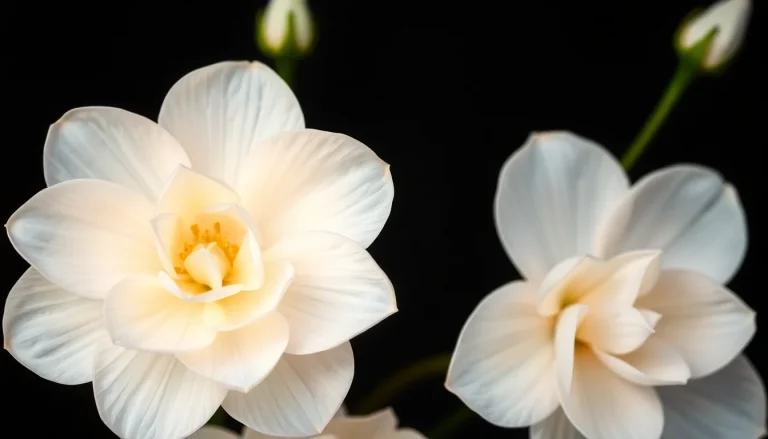
Beta-Naphthyl ethyl ether is a synthetic fragrance compound with a warm, floral-orange blossom character. You’ll find it in vintage perfumes, soaps, and floral fabric softeners. This ingredient matters because it creates a long-lasting orange blossom effect without the volatility of natural extracts, making scents more durable in consumer products.
Safety Profile
USE WITH AWARENESSWhat Does beta-Naphthyl ethyl ether Smell Like?
Beta-naphthyl ethyl ether unfolds with an initial burst of sweet orange blossom nectar, reminiscent of sun-warmed petals with a waxy undertone. As it evolves, the floralcy becomes more powdery, like antique face powder discovered in a grandmother’s vanity. The dry-down reveals a subtle woody-animalic nuance that lingers on skin for hours, creating a vintage floral effect that bridges Edwardian elegance and mid-century glamour.
In Famous Fragrances
Fragrance associations may not reflect actual formulations.
Used as an orange blossom substitute to create the perfume’s powdery floral heart that lasts through multiple wearings.
Provides the narcotic floralcy that defines this classic, blending with jonquil for a hypnotic effect.
Contributes to the waxy floral character that makes this winter floral composition so distinctive.
Used sparingly to soften the tobacco-leather accord with a floral whisper.
Enhances the carnation note with its spicy-floral character in this carnation masterpiece.
2D Molecular Structure
SMILES: CCOC1=CC2=C(C=CC=C2)C=C1
Chemistry, Properties & Perfumer Guide
The Chemistry
Beta-naphthyl ethyl ether (2-ethoxynaphthalene) is an aromatic ether synthesized through Williamson ether synthesis, reacting beta-naphthol with ethyl halides. This white crystalline solid belongs to the naphthalene derivatives class, with its odor stemming from the ether linkage’s modification of the naphthalene structure. Unlike natural orange blossom absolutes that contain hundreds of compounds, this single molecule provides a simplified but persistent floral-orange effect. The planar naphthalene ring system contributes to its tenacity on skin and fabrics.
Physical & Chemical Properties
| Appearance | White crystalline solid |
|---|---|
| Melting Point | 35-37 °C |
| Boiling Point | 282 °C |
| Flash Point | >100 °C |
| Solubility | Insoluble in water, soluble in alcohol |
Perfumer Guide
| Application | Typical % | Range | Notes |
|---|---|---|---|
| Fine Fragrance | 0.5-2% | Up to 5% | For floral-orange effects |
| Soaps | 0.2-1% | Up to 3% | Provides lasting floralcy |
| Detergents | 0.05-0.5% | Up to 1% | Cost-effective floral |
Classic Accords
Tip: Use with ionones to create a seamless floral-violet effect that lasts through dry-down.
Alternatives & Comparisons
More ethereal and less powdery, suitable when a lighter orange blossom effect is desired.
For natural formulations needing similar floral-waxy character from a natural source.
Safety, Regulatory & Sustainability
⚠ Regulatory Disclaimer
General reference only. Consult current IFRA Standards Library before formulating.
IFRA Status
IFRA restricted to 5% in leave-on products (Amendment 49). No restrictions in rinse-off.
GHS Classification
RIFM Assessment
RIFM assessment complete – safe at current IFRA limits with no evidence of phototoxicity.
Sustainability
As a synthetic material, beta-naphthyl ethyl ether avoids agricultural impacts of natural orange blossom production. Its synthesis from petrochemical feedstocks raises carbon footprint concerns, but its longevity in formulations can reduce overall scent dosage needs. Some producers are exploring bio-based naphthalene routes.
Explore beta-Naphthyl ethyl ether
Browse essential oils and aroma compounds.
Browse on iHerb →Affiliate disclosure: we may earn a small commission at no extra cost to you.
References
- Arctander S. (1969). Perfume and Flavor Chemicals. Allured Publishing.
- Bauer K. et al. (2001). Common Fragrance and Flavor Materials. Wiley-VCH.
Data: PubChem (NIH), PubMed, RIFM, IFRA. Last reviewed: Apr 2026.
Report a data errorPhysicochemical Properties
DTXSID: DTXSID2049684
Physical Properties
| Molecular Weight | 172.227 g/mol🔬 EPA CompTox |
| Density | 1.123 g/cm^3🔬 EPA CTX |
| Boiling Point | 282 °C🔬 EPA CTX |
| Melting Point | 37 °C🔬 EPA CTX |
| Flash Point | 131.567 °C🔬 EPA CTX |
| Refractive Index | 1.591 Dimensionless📊 OPERA |
| Molar Volume | 164.058 cm^3/mol📊 OPERA |
Partition & Solubility
| LogP (Octanol-Water) | 3.748 Log10 unitless🔬 EPA CTX |
| LogD (pH 5.5) | 3.796 Log10 unitless📊 OPERA |
| LogD (pH 7.4) | 3.796 Log10 unitless📊 OPERA |
| LogKoa (Octanol-Air) | 6.65 Log10 unitless📊 OPERA |
| Water Solubility | 0 mol/L🔬 EPA CTX |
| Henry's Law Constant | 0 atm-m3/mole📊 OPERA |
Transport Properties
| Vapor Pressure | 0.003 mmHg📊 OPERA |
| Viscosity | 6.964 cP📊 OPERA |
| Surface Tension | 39.101 dyn/cm📊 OPERA |
| Thermal Conductivity | 130.123 mW/(m*K)📊 OPERA |
Molecular Descriptors
| Topological Polar Surface Area | 9.23 Ų💻 Computed |
| H-Bond Donors | 0 count💻 Computed |
| H-Bond Acceptors | 1 count💻 Computed |
| Rotatable Bonds | 2 count💻 Computed |
| Aromatic Rings | 2 count💻 Computed |
| Molar Refractivity | 55.407 cm^3/mol📊 OPERA |
| Polarizability | 21.965 Å^3📊 OPERA |
Data Sources:
🔬 EPA Experimental data from U.S. EPA CompTox Chemicals Dashboard & CTX APIs. 📊 OPERA Predicted using EPA's OPERA QSAR models. 💻 Computed Calculated from SMILES using RDKit.