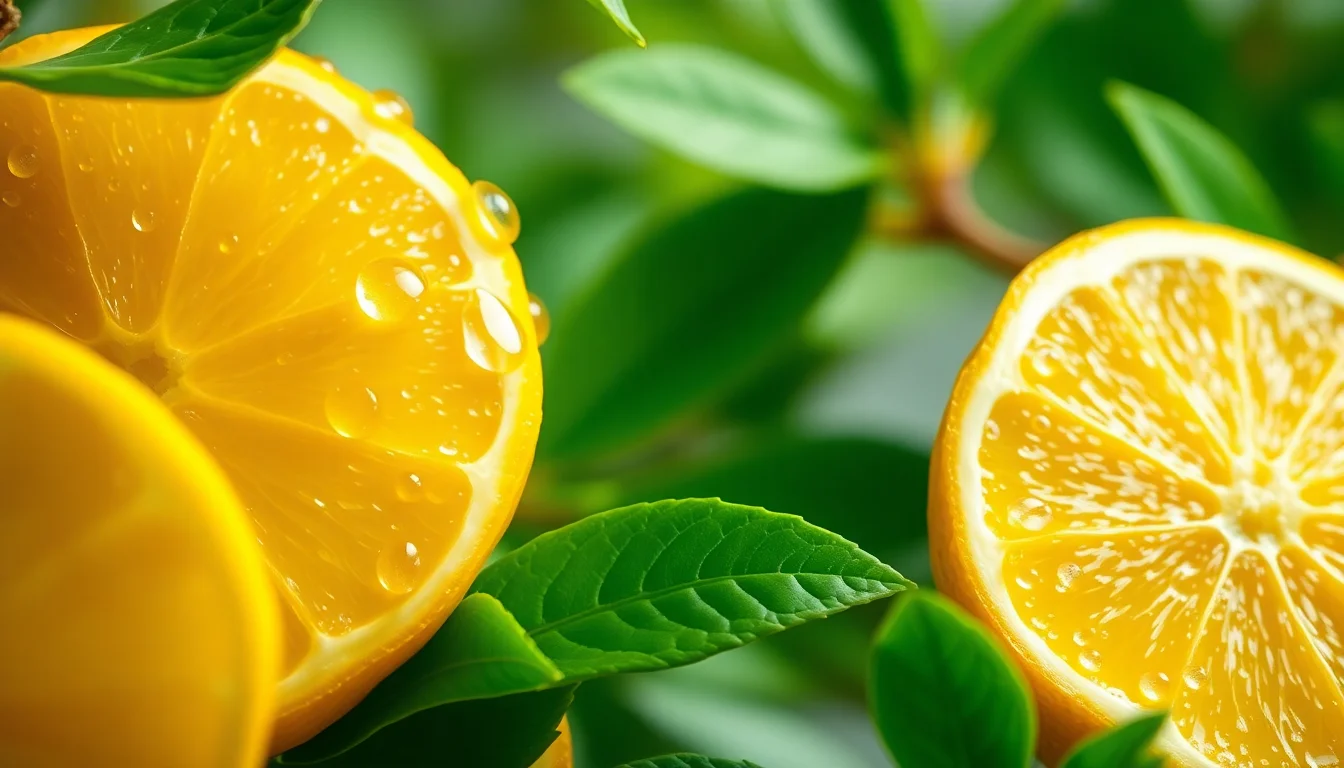
Citronella oil terpenes (CAS 8000-29-1) — Citrus Top to middle Note Fragrance Ingredient
Citronella oil terpenes
CAS 8000-29-1
What Is Citronella oil terpenes?
Citronella oil terpenes are natural aromatic compounds found in citronella grass, commonly encountered in insect repellents, candles, and outdoor fragrances. Their sharp, lemony scent is instantly recognizable in summer products. These terpenes matter because they provide both functional insect-repelling properties and a fresh, uplifting aroma that defines many warm-weather fragrances and household products.
Safety Profile
USE WITH AWARENESSWhat Does Citronella oil terpenes Smell Like?
Citronella oil terpenes burst with an intense, piercing citrus-lemon character that dominates the top notes, reminiscent of freshly crushed lemon peel with a green, grassy undertone. As it evolves, the heart reveals a more complex herbal quality – like lemongrass meeting damp earth. The dry-down leaves a clean, slightly woody-resinous trail that’s less sweet than typical citrus oils, with a distinctive medicinal edge that lingers on the skin.
In Famous Fragrances
Fragrance associations may not reflect actual formulations.
Uses citronella terpenes as both functional insect repellent and primary citrus note, balanced with cedar to create an outdoorsy, utilitarian fragrance for active wear.
Features citronella terpenes prominently to evoke nostalgic summer evenings, blended with verbena and mint for a candle that’s both fragrant and functional.
Chemistry, Properties & Perfumer Guide
The Chemistry
Citronella oil terpenes primarily consist of monoterpenes like citronellal, geraniol, and citronellol, along with smaller amounts of limonene and other cyclic terpenes. These compounds are extracted through steam distillation of Cymbopogon grasses. The exact composition varies by species (C. nardus vs C. winterianus), with the latter containing higher levels of citronellal. The terpenes’ insect-repellent properties stem from their ability to interfere with insect olfactory receptors.
Physical & Chemical Properties
| Appearance | Pale yellow to brownish liquid |
|---|---|
| Boiling Point | Varies by component (≈200°C) |
| Density | ≈0.89 g/cm³ |
Perfumer Guide
| Application | Typical % | Range | Notes |
|---|---|---|---|
| Insect Repellents | 5-10% | Up to 100% | Primary active ingredient |
| Fine Fragrance | 0.5-2% | Up to 5% | Used for fresh top notes |
Classic Accords
Tip: Blend with woody notes to ground the sharp citrus character and extend longevity.
Alternatives & Comparisons
Offers similar lemony freshness with less medicinal edge, preferred when a sweeter citrus profile is desired.
Safety, Regulatory & Sustainability
⚠ Regulatory Disclaimer
General reference only. Consult current IFRA Standards Library before formulating.
IFRA Status
No specific restrictions under current IFRA standards (as of 50th Amendment).
EU Allergen Declaration
Contains limonene and geraniol which require allergen labeling above 0.001% in leave-on products.
GHS Classification
RIFM Assessment
RIFM considers citronella oil safe at current use levels, with some components having complete safety assessments.
Sustainability
Citronella is a renewable resource grown primarily in Southeast Asia, with steam distillation having relatively low environmental impact. However, habitat conversion for plantations can be a concern. Some companies are developing synthetic alternatives to reduce agricultural pressure.
Explore Citronella oil terpenes
Browse essential oils and aroma compounds.
Browse on iHerb →Affiliate disclosure: we may earn a small commission at no extra cost to you.
References
- PubChem Compound Summary for Citronella Oil PubChem
Data: PubChem (NIH), PubMed, RIFM, IFRA. Last reviewed: Apr 2026.
Report a data errorIngredient Data Sheet
CAS 8000-29-1Odor & Flavor
| There are two essential oils: Ceylon citronella oil and Java citronella oil. Ceylon citronella oil is obtained by steam distillation of the partially dried herb known as the lanabatu variety, while the Java citronella oil is obtained by steam or water distillation of the freshly cut or partially dried herb known as the maha pengira variety. It differs from the Ceylon citronella oil in both composition and odor. The Ceylon type has a characteristic citronellal-like odor. Java-type oil has a pronounced aldehyde (rose, lemon-like) odor.📖 Fenaroli |
Regulatory Status
| IOFI Classification | Natural📖 Fenaroli |
Physical data: PubChem (NIH/NLM), U.S. EPA CompTox Dashboard, EPA OPERA models, RDKit. Odor & flavor: Arctander (Perfume & Flavor Chemicals), Fenaroli's Handbook of Flavor Ingredients, Leffingwell. Thresholds: van Gemert (Compilations of Odour Threshold Values). Regulatory: IFRA Standards 51st, FEMA GRAS. Trade names: Surburg (Common Fragrance & Flavor Materials). All data compiled and cross-referenced for perfumertools.com.
Related Research
- Mica (CAS 12001-26-2) — Citrus Base Note Fragrance Ingredient
- Ethyl trans-2-decenoate (CAS 7367-88-6) — Sweet Top to middle Note Fragrance Ingredient
- 4-Penten-1-one, 1-spiro[4.5]dec-6-en-7-yl- (CAS 224031-71-4) — Green Middle Note Fragrance Ingredient
- Benzyl 2,2-dimethylpropanoate (CAS 2094-69-1) — Floral Top to Middle Note Fragrance Ingredient



![Spiro[bicyclo[4.1.0]heptane-2,5′-[1,3]dioxane], 2′,2′,3,7,7-pentamethyl-, (1.alpha.,3.alpha.,6.alpha.)- (CAS 121251-67-0) — Woody Base Note Fragrance Ingredient](https://thegoodscents.company/wp-content/uploads/2026/04/spiro-bicyclo-4-1-0-heptane-2-5-039-1-3-dioxane-2-039-2-039-1-2-768x439.webp)