
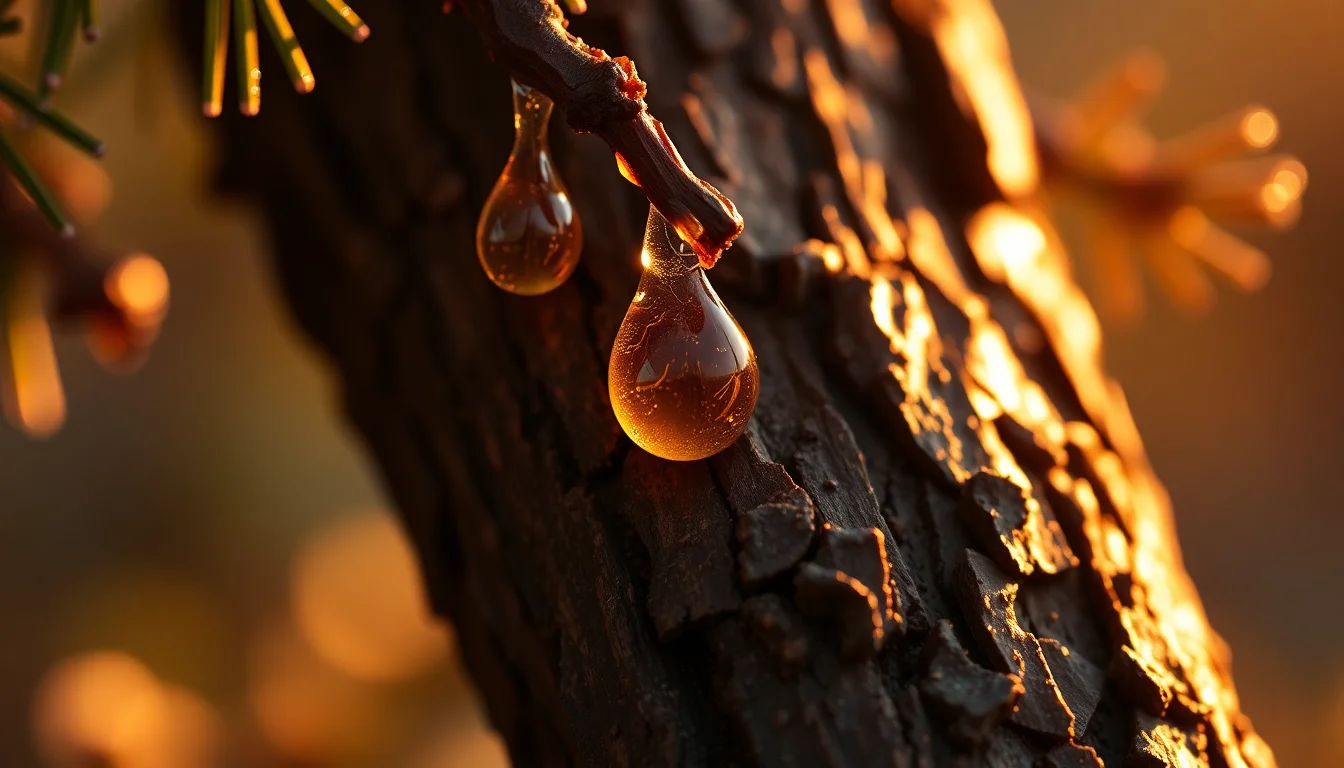
Fir balsam absolute (CAS 8024-15-5) — Balsamic Base Note Fragrance Ingredient
Fir balsam absolute
CAS 8024-15-5
What Is Fir balsam absolute?
Fir balsam absolute is a rich, resinous extract obtained from the bark of fir trees. People encounter it in holiday candles, forest-inspired fragrances, and natural wellness products. This warm, woody note carries deep emotional connections to winter forests. Its complex fragrance profile makes it invaluable for creating depth in perfumery, particularly in masculine and seasonal scents where its balsamic qualities enhance longevity and evoke natural environments.
Safety Profile
GENERALLY SAFEWhat Does Fir balsam absolute Smell Like?
Fir balsam absolute opens with an intensely green, sappy burst reminiscent of crushed pine needles and broken twigs. The heart reveals warm layers of vanilla-like sweetness and honeyed resins, with subtle smoky undertones. As it dries down, it develops into a deep, balsamic base with hints of leather and amber. The overall effect is like walking through an ancient conifer forest after rain – earthy, slightly medicinal, yet comforting with its honeyed woodiness.
In Famous Fragrances
Fragrance associations may not reflect actual formulations.
Provides a crisp forest counterpoint to the creamy sandalwood, adding masculine depth to this unisex fragrance.
Forms the dark, resinous core of this winter forest scent, amplifying the pine and incense notes.
Lends its sticky-sweet balsamic quality to this pine-forward composition, creating a festive atmosphere.
Chemistry, Properties & Perfumer Guide
The Chemistry
Fir balsam absolute is a complex natural product containing terpenes, resin acids, and esters. The primary constituents include α-pinene, β-pinene, δ-3-carene, and bornyl acetate, which contribute to its characteristic woody-green aroma. The absolute is obtained through solvent extraction of the oleoresin, concentrating the non-volatile components that give it superior tenacity compared to essential oils. Its composition varies significantly by species and geographic origin, with Canadian balsam fir (Abies balsamea) being particularly prized for perfumery.
Physical & Chemical Properties
| Appearance | Viscous dark brown liquid |
|---|---|
| Solubility | Soluble in alcohol, insoluble in water |
Key Constituent Properties
| Constituent | CAS | MW | BP °C | XLogP | Vapor P. |
|---|---|---|---|---|---|
| α-Pinene | 80-56-8 | 136.23 | 155 °C | 2.8 | 4.2 mmHg |
| β-Pinene | 127-91-3 | 136.23 | 163 °C | 3.0 | 2.4 mmHg |
Perfumer Guide
| Application | Typical % | Range | Notes |
|---|---|---|---|
| Fine Fragrance | 0.5-2% | Up to 5% | Adds woody depth and fixative properties |
| Candles | 1-3% | Up to 8% | Provides authentic forest scent |
Classic Accords
Tip: Warm slightly before blending to improve miscibility with other materials.
Alternatives & Comparisons
Brighter, more needle-like character when a less balsamic conifer note is desired.
More transparent resinous quality for lighter applications where color matters.
Safety, Regulatory & Sustainability
⚠ Regulatory Disclaimer
General reference only. Consult current IFRA Standards Library before formulating.
IFRA Status
No IFRA restrictions. Generally recognized as safe at typical usage levels.
EU Allergen Declaration
Contains limonene and linalool which require declaration above 0.001% in leave-on products.
RIFM Assessment
RIFM assessment concluded safe current use levels based on compositional analysis.
Sustainability
Fir balsam is sustainably harvested through careful tapping of living trees in managed forests, primarily in Canada. The extraction process is energy-intensive but produces a highly concentrated material requiring smaller quantities than essential oils. Some producers are implementing closed-loop solvent recovery systems to reduce environmental impact.
Explore Fir balsam absolute
Browse essential oils and aroma compounds.
Browse on iHerb →Affiliate disclosure: we may earn a small commission at no extra cost to you.
References
- Arctander, S. (1960). Perfume and Flavor Materials of Natural Origin.
- Tisserand, R. (2014). Essential Oil Safety.
Data: PubChem (NIH), PubMed, RIFM, IFRA. Last reviewed: Apr 2026.
Report a data errorIngredient Data Sheet
CAS 8024-15-5Physical data: PubChem (NIH/NLM), U.S. EPA CompTox Dashboard, EPA OPERA models, RDKit. Odor & flavor: Arctander (Perfume & Flavor Chemicals), Fenaroli's Handbook of Flavor Ingredients, Leffingwell. Thresholds: van Gemert (Compilations of Odour Threshold Values). Regulatory: IFRA Standards 51st, FEMA GRAS. Trade names: Surburg (Common Fragrance & Flavor Materials). All data compiled and cross-referenced for perfumertools.com.
Related Research
- Orange blossoms absolute (CAS 8030-28-2) — Floral Heart Note Fragrance Ingredient
- Trimethylamine (CAS 75-50-3) — Musky Top Note Fragrance Ingredient
- 4,5-Dimethyl-2-Isobutylthiazole (CAS 53498-32-1) — Mid Note Fragrance Ingredient
- Cinnamyl cinnamate (CAS 122-69-0) — Sweet Middle Note Fragrance Ingredient


![Propanol, [2-(2-methoxymethylethoxy)methylethoxy]- (CAS 25498-49-1) — Woody Variable Note Fragrance Ingredient](https://thegoodscents.company/wp-content/uploads/2026/04/propanol-2-1-3-768x439.webp)
![3H-Pyrazol-3-one, 4-[(1,5-dihydro-3-methyl-5-oxo-1-phenyl-4H-pyrazol-4-ylidene)methyl]-2,4-dihydro-5-methyl-2-phenyl- (CAS 4702-90-3) — Woody Middle Note Fragrance Ingredient](https://thegoodscents.company/wp-content/uploads/2026/04/3h-pyrazol-3-one-4-1-1-768x439.webp)