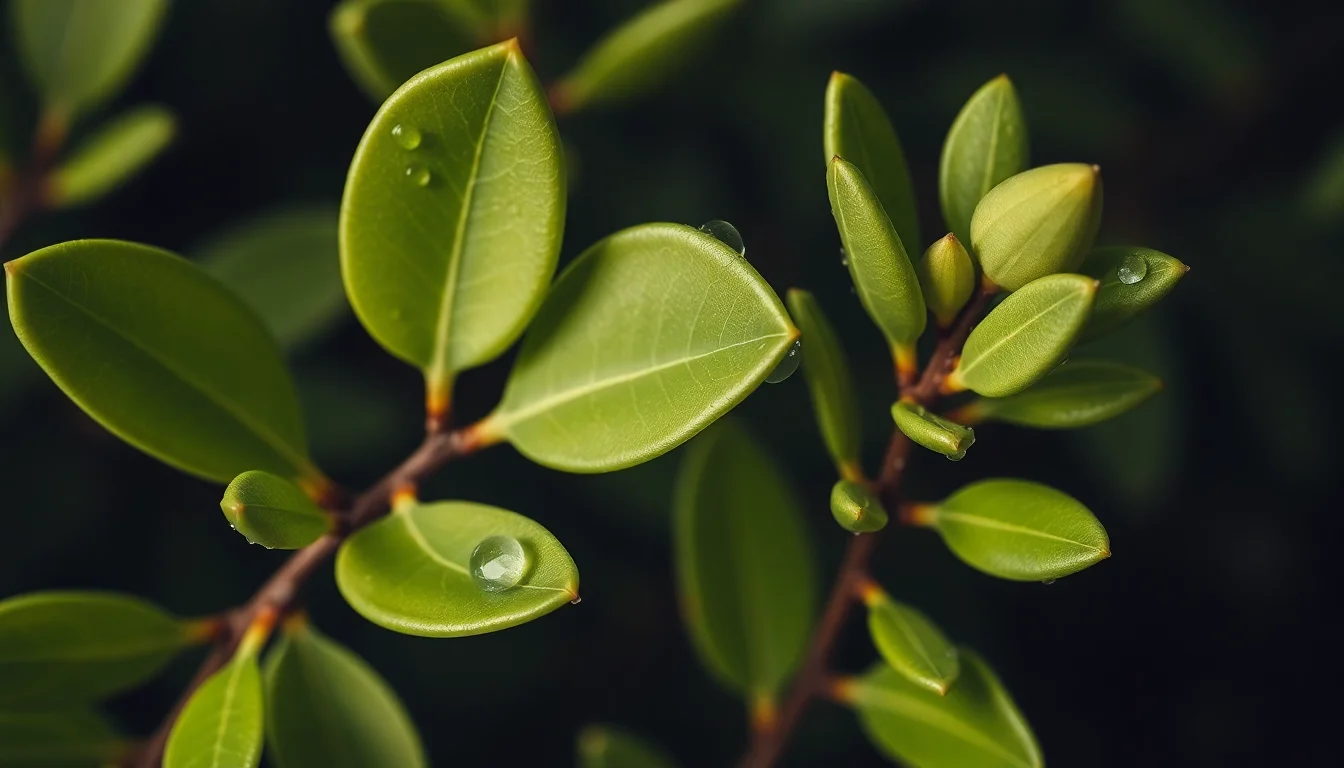
Eucalyptus absolute (CAS 8000-48-4) — Green Top to middle Note Fragrance Ingredient
Eucalyptus absolute
CAS 8000-48-4
What Is Eucalyptus absolute?
Eucalyptus absolute is a concentrated aromatic extract from eucalyptus leaves, commonly encountered in medicinal rubs, spa products, and fresh-smelling household cleaners. Its crisp, camphoraceous scent is instantly recognizable. This ingredient matters because it provides both therapeutic aromatherapy benefits and a distinctive cooling freshness to fragrances, making it a staple in products designed to evoke cleanliness and respiratory relief.
Safety Profile
USE WITH AWARENESSWhat Does Eucalyptus absolute Smell Like?
Eucalyptus absolute bursts with an invigorating medicinal-camphoraceous punch, like a frosty mountain breeze cutting through mentholated pine forests. The opening is intensely fresh with sharp cineolic tones (reminiscent of Vicks VapoRub), settling into a cleaner, slightly sweet woody-herbal heart. Dry-down reveals subtle earthy undertones beneath the persistent cooling sensation, leaving a sanitized ‘hospital clean’ impression that works exceptionally well in functional fragrances.
In Famous Fragrances
Fragrance associations may not reflect actual formulations.
Uses eucalyptus absolute for its energizing, respiratory-opening effect in this wellness-focused fragrance, blending with citrus and spices to create an invigorating tonic-like composition.
Showcases eucalyptus absolute as the star player, amplifying its cooling properties with peppermint to achieve an ultra-refreshing spa-like experience in personal care products.
Pairs the antiseptic quality of eucalyptus absolute with herbal sage notes, creating a crisp aromatic fougère variation with contemporary freshness.
Chemistry, Properties & Perfumer Guide
The Chemistry
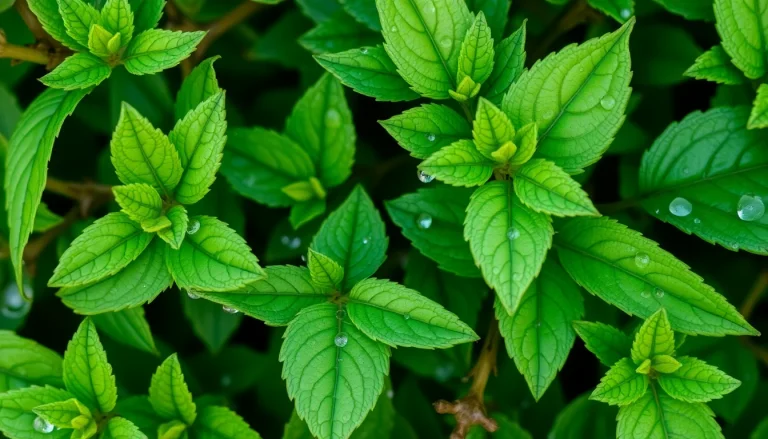
Eucalyptus absolute is obtained through solvent extraction of Eucalyptus globulus leaves, capturing both volatile and non-volatile components. While 1,8-cineole (eucalyptol) dominates (60-85%), the absolute contains hundreds of trace compounds including α-pinene, limonene, and globulol that modify its olfactory profile. Unlike steam-distilled eucalyptus oil, the absolute retains heavier waxes and chlorophyll derivatives that lend depth and tenacity. Modern CO2 extraction methods yield a greener, more nuanced material compared to traditional hexane extracts.
Physical & Chemical Properties
| Appearance | Viscous greenish-brown liquid |
|---|---|
| Solubility | Soluble in alcohol, insoluble in water |
| Flash Point | ~62 °C (closed cup) |
Key Constituent Properties
| Constituent | CAS | MW | BP °C | XLogP | Vapor P. |
|---|---|---|---|---|---|
| 1,8-Cineole | 470-82-6 | 154.25 | 176 °C | 2.7 | 1.9 mmHg |
| α-Pinene | 80-56-8 | 136.23 | 155 °C | 4.0 | 4.5 mmHg |
Perfumer Guide
| Application | Typical % | Range | Notes |
|---|---|---|---|
| Aromatherapy | 1-3% | Up to 5% | For respiratory benefit claims |
| Fine Fragrance | 0.5-1.5% | Up to 3% | As fresh modifier |
| Household Cleaners | 0.1-0.5% | Up to 1% | For ‘clean’ impression |
Classic Accords
Tip: Use at 0.2% in citrus colognes to add cooling depth without overwhelming the formula.
Alternatives & Comparisons
Brighter, more camphoraceous profile without the waxy depth of absolute. Better for fleeting top notes.
Softer cineolic alternative with fruity undertones, preferred for delicate formulations.
Safety, Regulatory & Sustainability
⚠ Regulatory Disclaimer
General reference only. Consult current IFRA Standards Library before formulating.
IFRA Status
No IFRA restrictions. 1,8-cineole content self-limits usage due to skin sensitivity thresholds.
EU Allergen Declaration
Contains limonene (≥0.1%) requiring allergen declaration under EU Regulation No 1223/2009.
GHS Classification
RIFM Assessment
RIFM considers eucalyptus absolute safe at current use levels, with recommended dermal limits of 3.9% in leave-on products.
Sustainability
Most commercial eucalyptus absolute comes from plantation-grown Eucalyptus globulus in Spain and Portugal, with increasing use of CO2 extraction reducing solvent waste. Synthetic cineole alternatives exist but lack the complexity of natural absolute. Overharvesting concerns are minimal due to fast growth rates, but some producers are implementing leaf-stripping techniques that preserve trees.
Explore Eucalyptus absolute
Browse essential oils and aroma compounds.
Browse on iHerb →Affiliate disclosure: we may earn a small commission at no extra cost to you.
References
- Lis-Balchin, M. (2006). Aromatherapy Science. Pharmaceutical Press. ISBN 0853695784
- Tisserand, R. (2014). Essential Oil Safety. Elsevier. ISBN 9780443062414
Data: PubChem (NIH), PubMed, RIFM, IFRA. Last reviewed: Apr 2026.
Report a data errorIngredient Data Sheet
CAS 8000-48-4Odor & Flavor
| The oil is obtained by steam distillation of the fresh or partly dried long and narrow leaves in approximately 1% yields. It has a characteristic aromatic, somewhat camphoraceous odor and a pungent, spicy, cooling taste. The oil extracted has medicinal and aromatic uses.📖 Fenaroli |
Regulatory Status
| IOFI Classification | Natural📖 Fenaroli |
Physical data: PubChem (NIH/NLM), U.S. EPA CompTox Dashboard, EPA OPERA models, RDKit. Odor & flavor: Arctander (Perfume & Flavor Chemicals), Fenaroli's Handbook of Flavor Ingredients, Leffingwell. Thresholds: van Gemert (Compilations of Odour Threshold Values). Regulatory: IFRA Standards 51st, FEMA GRAS. Trade names: Surburg (Common Fragrance & Flavor Materials). All data compiled and cross-referenced for perfumertools.com.
Related Research
- Ethyl octanoate (CAS 106-32-1) — Sweet Top Note Fragrance Ingredient
- Diethyl 2,2'-thiodiacetate (CAS 925-47-3) — Sweet Top Note Fragrance Ingredient
- Benzoic acid, 2-.(..(.(4-methoxyphenyl)methylene.).amino.).-,methyl ester (CAS 14735-72-9) — Woody Base Note Fragrance Ingredient
- Phenol, 2-(1,1-dimethylethyl)-6-methyl- (CAS 2219-82-1) — Woody Middle to base Note Fragrance Ingredient