Lanolin (CAS 8006-54-0) — Musky Fragrance Ingredient
Lanolin
CAS 8006-54-0
What Is Lanolin?
Lanolin is a natural wax secreted by sheep, commonly found in wool. It’s used in skincare products like lip balms and moisturizers for its emollient properties. In perfumery, lanolin adds a subtle animalic warmth to fragrances. This ingredient matters because it bridges the gap between functional skincare and olfactory artistry, providing both texture and a soft, wool-like scent profile that enhances depth in certain fragrance compositions.
Safety Profile
GENERALLY SAFEWhat Does Lanolin Smell Like?
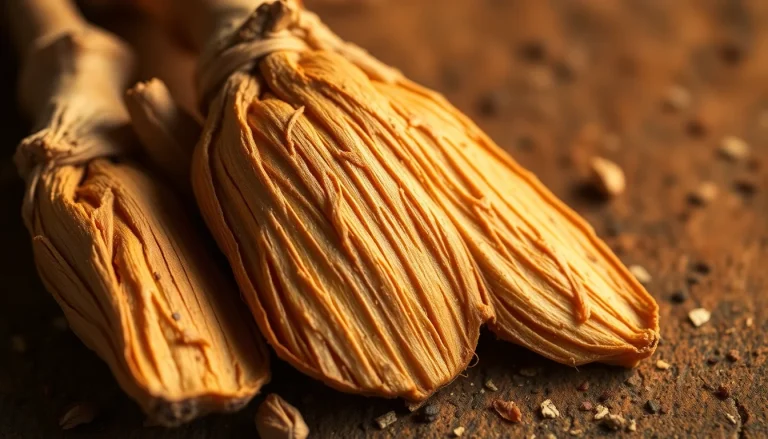
Lanolin offers a complex olfactory profile – initially presenting a warm, slightly greasy wool-like aroma with faint barnyard undertones. As it develops, it reveals a comforting, skin-like muskiness reminiscent of well-worn cashmere. The dry-down is surprisingly clean, leaving a soft, powdery trail with just a whisper of animalic warmth. Like smelling a baby’s blanket or a favorite wool sweater, it evokes coziness without overt animalics.
Scent Profile
In Famous Fragrances
Fragrance associations may not reflect actual formulations.
Lanolin’s animalic warmth forms the wooly backbone of this legendary musk, blending with civet and castoreum to create a provocative yet wearable animalic symphony.
Used to recreate the nostalgic scent of circus sawdust and animal fur, lanolin provides the warm, slightly sweaty leather accord that makes this fragrance unforgettable.
Chemistry, Properties & Perfumer Guide
The Chemistry
Lanolin is a complex mixture of esters, diesters, and hydroxy esters of high molecular weight alcohols and fatty acids. Unlike plant waxes, it contains significant amounts of lanolin alcohols (wool alcohols) and lanolin acids. Its composition varies based on sheep breed and wool processing methods. The material is obtained by washing raw wool with alkaline solutions, then centrifuging and refining the resulting wax. Modern purification processes remove pesticides and allergens while preserving the unique wax ester profile.
Physical & Chemical Properties
| Appearance | Yellowish waxy solid |
|---|---|
| Melting Point | 36-42 °C |
| Solubility | Insoluble in water, soluble in organic solvents |
Perfumer Guide
| Application | Typical % | Range | Notes |
|---|---|---|---|
| Fine Fragrance | 0.1-0.5% | Up to 1% | Adds animalic warmth |
| Skincare Fragrance | 0.5-2% | Up to 3% | Enhances product compatibility |
Classic Accords
Tip: Use sparingly to avoid greasy feel – works best when balanced with dry woody notes.
Alternatives & Comparisons
Purified fraction of lanolin with reduced odor, used when less animalic character is desired while maintaining emollient properties.
Safety, Regulatory & Sustainability
⚠ Regulatory Disclaimer
General reference only. IFRA, REACH, EU Cosmetics Regulation standards update periodically. Consult current IFRA Standards Library before formulating. Not legal or regulatory advice.
IFRA Status
No IFRA restrictions. Lanolin is considered safe for use in fragrances at current levels.
RIFM Assessment
RIFM considers lanolin safe for use in fragrances at current exposure levels.
Sustainability
Lanolin is a byproduct of wool production, making its sourcing generally sustainable. However, ethical concerns exist regarding mulesing practices in some wool-producing regions. Synthetic alternatives exist but lack the complexity of natural lanolin. The material is biodegradable and considered environmentally benign.
Explore Lanolin
Browse essential oils and aroma compounds.
Browse on iHerb →Affiliate disclosure: we may earn a small commission at no extra cost to you.
References
- Wool Science Review (1983). The Composition of Lanolin.
Data: PubChem (NIH), PubMed, RIFM, IFRA. Last reviewed: Mar 2026.
Report a data errorIngredient Data Sheet
CAS 8006-54-0Physical data: PubChem (NIH/NLM), U.S. EPA CompTox Dashboard, EPA OPERA models, RDKit. Odor & flavor: Arctander (Perfume & Flavor Chemicals), Fenaroli's Handbook of Flavor Ingredients, Leffingwell. Thresholds: van Gemert (Compilations of Odour Threshold Values). Regulatory: IFRA Standards 51st, FEMA GRAS. Trade names: Surburg (Common Fragrance & Flavor Materials). All data compiled and cross-referenced for perfumertools.com.